 AI image
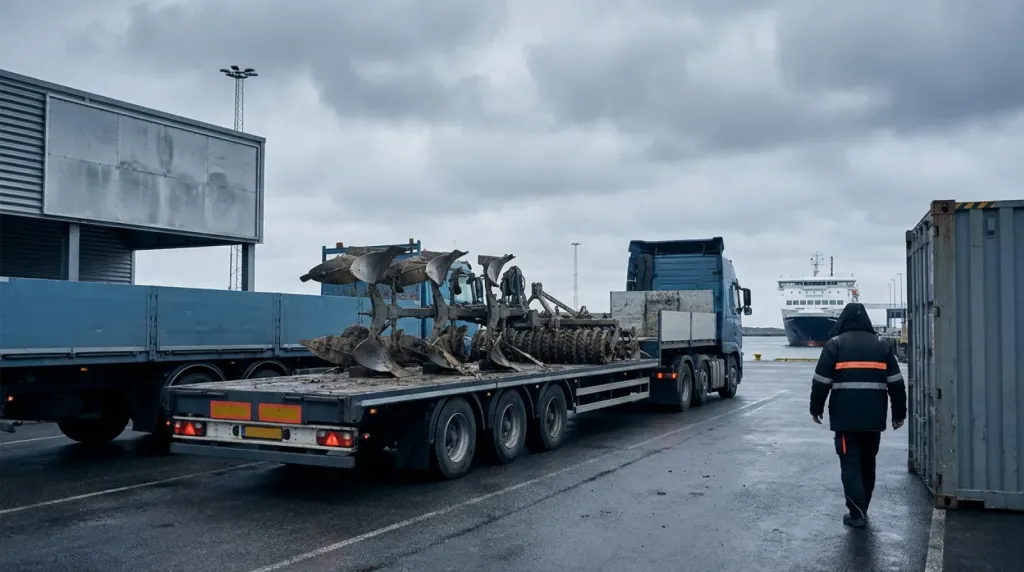
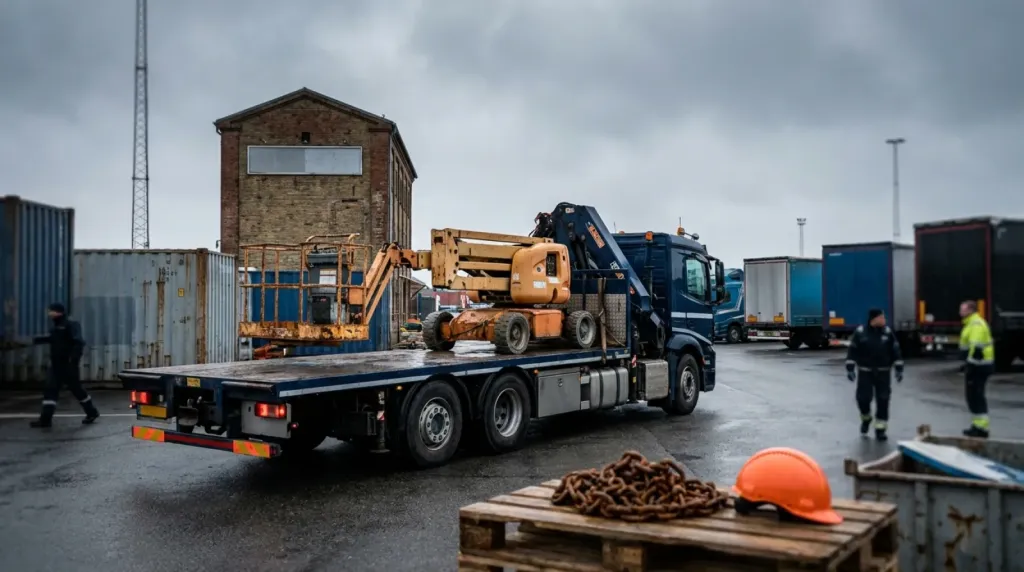
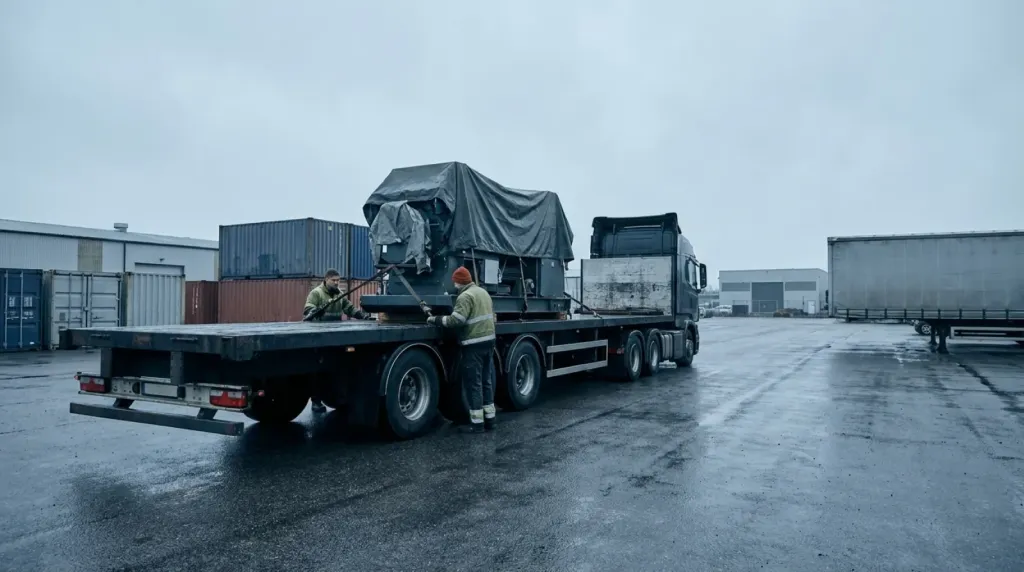
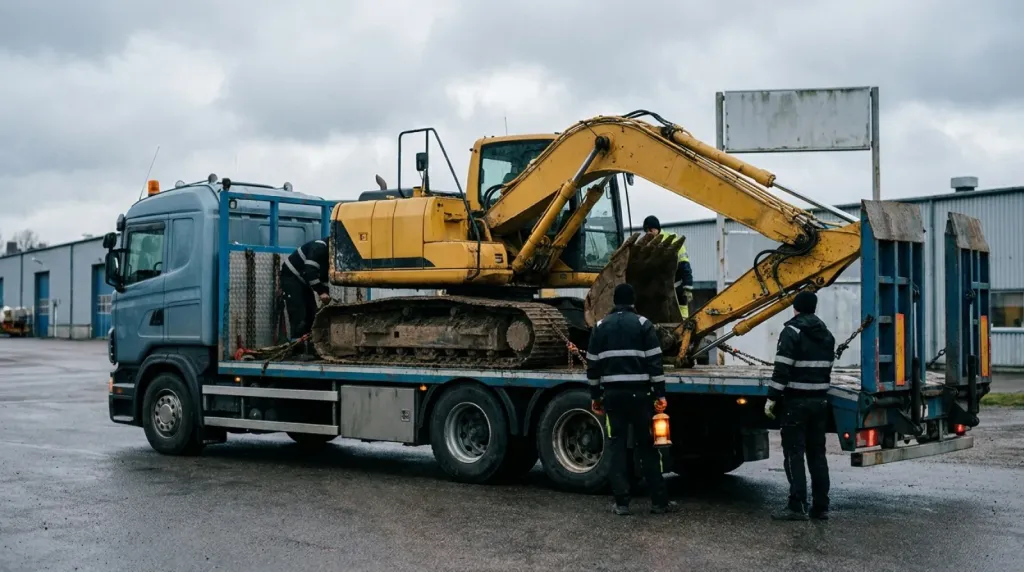
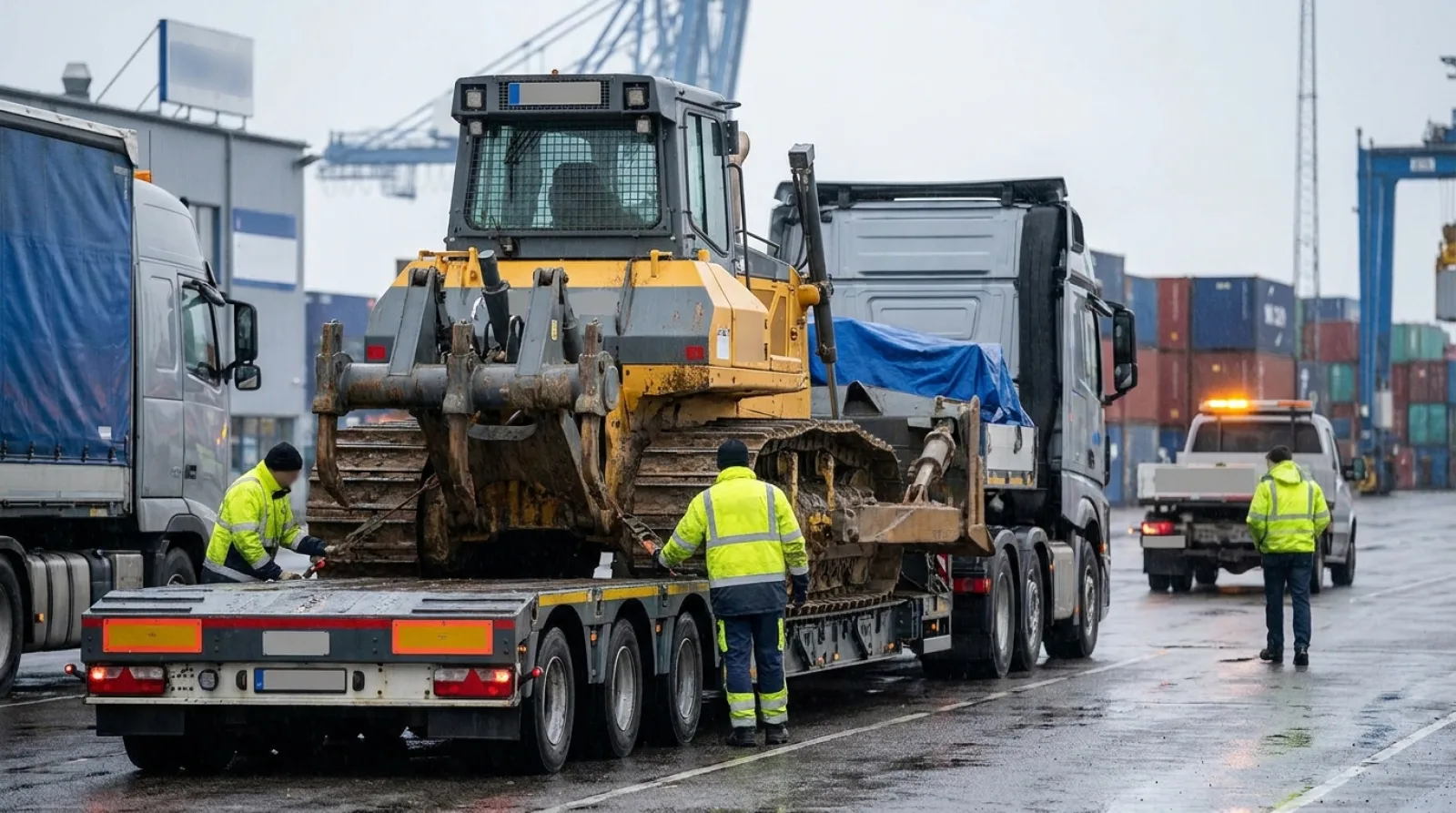
Importing a crawler dozer (Polish: spycharka gąsienicowa, German: Planierraupe) from the United Kingdom to the European Union involves specific customs procedures and transport management. These machines fall under CN tariff code 8429 11, with weights ranging between 7 and 40 tonnes. Transport usually requires partial dismantling, with the blade travelling separately, while heavier models always require oversized transport permits due to weight and dimension limits.
How is a crawler dozer classified under CN tariff code 8429 11?
Proper import declarations rely heavily on selecting the correct tariff classification. Crawler dozers are categorized under Combined Nomenclature CN code 8429 11, which applies to self-propelled track-laying bulldozers and angledozers. The applicable duty rates and regulation requirements depend on the machine's technical specification and official purchase documentation.
When clearing customs for equipment bought at UK auctions, importers must present purchase invoices, packing lists, and transport documentation. If the blade or attachment is removed and placed elsewhere on the trailer or carried on a secondary vehicle, this arrangement must be explicitly reflected in both the customs declaration and the CMR consignment note.
When does crawler dozer transport require abnormal load permits?
Moving a crawler dozer that exceeds standard trailer weight limits constitutes an abnormal load (out-of-gauge) transport. Machines towards the upper end of the weight spectrum, up to 40 tonnes, routinely exceed standard axle load limits and width or height profiles. In these instances, transport operators must secure route permits from road authorities across all transit countries before departure.
Route planning for abnormal transport requires careful evaluation of bridge load capacities and overhead clearances. If the overall width across the tracks exceeds standard trailer limits, removing the blade and using side-extension low-loader trailers or escort vehicles becomes mandatory according to local road regulations.
Importing and transporting a crawler dozer step by step
- Auction document verification. Obtain the invoice and technical specifications following a successful auction bid in the UK. Handover requirements depend on the specific auction house terms.
- Dimensional evaluation and dismantling. Measure total weight and dimensions. The blade is detached and prepared for loading as a separate item.
- Route planning and permits. Apply for abnormal transport permits if the weight or dimensions exceed standard legal road thresholds.
- Customs export and import declarations. Submit the UK export declaration and prepare the EU import clearance under CN code 8429 11.
- Ferry and road haulage. Book ferry or Eurotunnel crossings for the low-loader trailer and execute road delivery to the destination.
Definitions
- CN (Combined Nomenclature): An eight-digit goods classification system used by the European Union for customs tariff and trade statistical purposes.
- CMR (Convention on the Contract for the International Carriage of Goods by Road): An international consignment note that serves as proof of the contract of carriage by road.
- Oversized transport: The carriage of goods that, together with the transport vehicle, exceed legal road weight or dimension limits.
- Blade: The heavy metal plate mounted on the front of the crawler dozer used to push soil, sand, or rubble.
Checklist for UK crawler dozer transport
- Verify exact machine weight and dimensions both with and without the fitted blade.
- Collect all auction purchase documents and confirm that the machine chassis VIN is legible.
- Determine whether the detached blade fits on the primary low-loader or needs extra transport.
- Secure abnormal load permits prior to dispatch in compliance with statutory transport law.
- Review collection conditions detailed in the event guide or auction house manual.
When do these rules not apply?
The rules described above do not apply to compact machinery weighing under 7 tonnes that fits within standard curtain-side truck dimensions without dismantling or special road permits. Furthermore, this process depends on the customs destination and does not apply when a crawler dozer travels through the EU under an external transit procedure (T1) bound for a non-EU third country where different customs rules govern.
The OTSL role
OTSL Sp. z o.o., based in Kielce, Poland, with operational facility in Milton Keynes, UK, manages industrial equipment haulage across European routes. We offer machinery transport and arrange solutions for out-of-gauge cargo. For background on heavy equipment import mechanics, read our article on machinery customs clearance in the Netherlands. We assist with customs clearance coordination and cross-border transport planning.