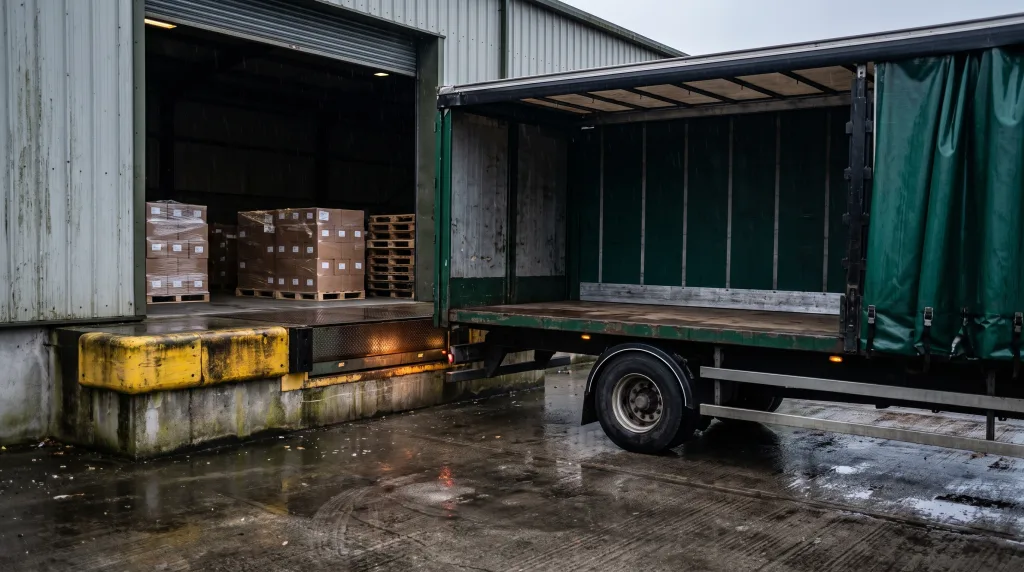
 AI image
A damage report is a document drawn up on the spot which, together with photos and a description, records the extent and nature of the cargo damage. It is the core of a claim file: a reservation on the CMR consignment note opens the road, but the outcome of a dispute turns on the report and the preserved evidence. We show exactly what to record, photograph and keep.
Why is this decisive?
The CMR note is evidence of the condition in which goods were taken over for carriage and handed over on delivery. If the consignee signs without remarks, delivery is assumed to have been in order. A later claim with no note on the consignment note stands on weaker ground, because the consignee must first prove the damage arose in transit rather than after it. A remark made at the moment of delivery reverses that logic: it is an immediate record that something was wrong.
What to record at the moment of delivery
The reservation must be specific, not vague. Instead of "goods damaged", describe exactly what and to what extent: which pallets or items, the type of damage (crushing, water ingress, leakage, torn packaging), how many units are affected, whether the outer packaging or the contents are damaged. The remark should be entered on the CMR note and acknowledged by the driver. In parallel, draw up a damage report and take photos from several angles: the whole load, the damaged area close up, pallet numbers and labels, the state of securing inside the trailer. Note the date, time and place. The sooner and the more precise, the stronger your position.
Visible versus hidden damage
Visible damage is damage that can be seen on ordinary inspection at the moment of handover. Here the rule is simple: enter the reservation on the CMR note straight away, before signing. Hidden damage comes to light only after unpacking or after some time and could not have been noticed on delivery. For such damage, separate and shorter deadlines apply for written notice to the carrier, counted from delivery. We do not state a specific number of days here, because it depends on the text of the CMR Convention and the circumstances; what matters is that delay works against you, so give written notice as soon as possible and preserve the goods and packaging for inspection. How to enter the reservation at the moment of delivery and the deadlines under Article 30 of the Convention are covered in the article on CMR reservations at delivery.
Preserve the evidence and the goods
Until the matter is settled, do not throw away damaged packaging or goods and do not "tidy up" the scene. Packaging often shows how the damage happened: how items were stacked, missing securing, signs of water. Keep the original CMR note with the remark, the damage report, the photos and the delivery documents. Give notice in writing. Separate from the carrier's liability is insurance: it is worth knowing the scope of the carrier's OCP policy and of your own cargo insurance, because these often decide the actual coverage.
The OTSL role
We treat documenting damage as part of the service, not a nuisance at the end of the route. We tell the consignee what to enter on the CMR note and how to draw up the report, make sure the remarks are specific and acknowledged, and help organise the evidence before the trail disappears. When a rule or a deadline is uncertain, we do not guess: we refer to the text of the CMR Convention and establish the facts. Read more about checking cargo condition in cargo inspection, and find definitions in the glossary. For a specific shipment, write to us via contact.
Step by step
- Add a reservation to the CMR. Note the exact cargo damage or shortfalls on the consignment note before signing for receipt.
- Draft the damage report. Complete the formal damage report document on site with accurate descriptions of the affected goods.
- Take photographic evidence. Capture photos of the damaged items, packaging, labels, and how the cargo was secured inside the vehicle.
- Preserve the goods and packaging. Keep the damaged goods, pallets, and packing materials in their original state for potential inspection.
- Notify the transport provider. Send the completed report, photographs, and the annotated consignment note to the responsible carrier promptly.
Definitions
- Damage report: A separate document drawn up on the spot that details the exact nature and extent of cargo damage alongside visual evidence.
- CMR consignment note (Convention on the Contract for the International Carriage of Goods by Road): A document proving the contract of carriage and recording the condition of goods upon pickup and delivery.
- CMR reservation: A written remark entered onto the consignment note at delivery describing cargo shortfalls or visible damage.
- Consignee: The party designated to receive the goods at the destination and report any irregularities with the delivery.
Sources
The carrier's liability and notice deadlines are governed by the CMR Convention. Text of the convention: UNECE, CMR Convention, and our overview on the CMR Convention page.