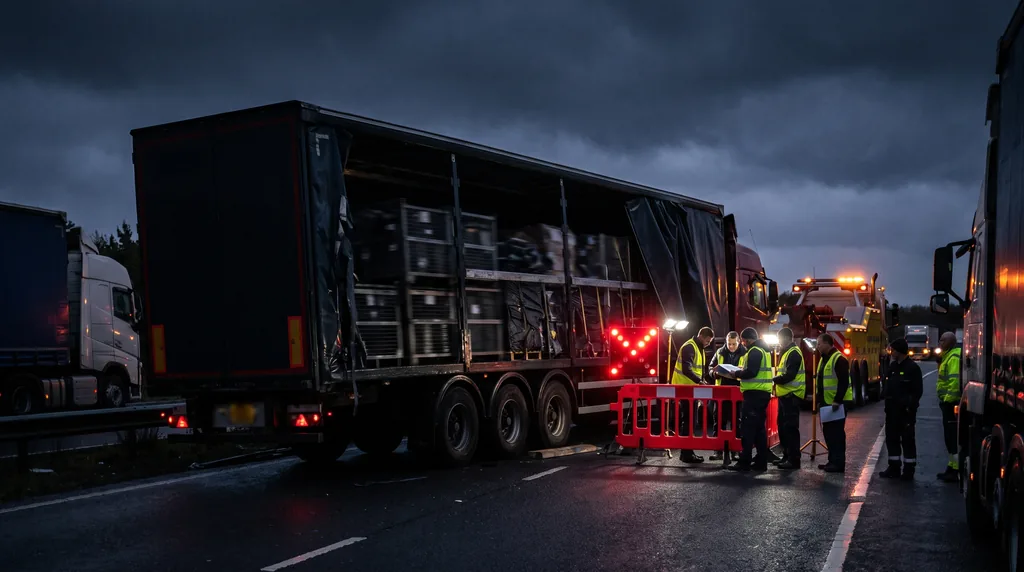
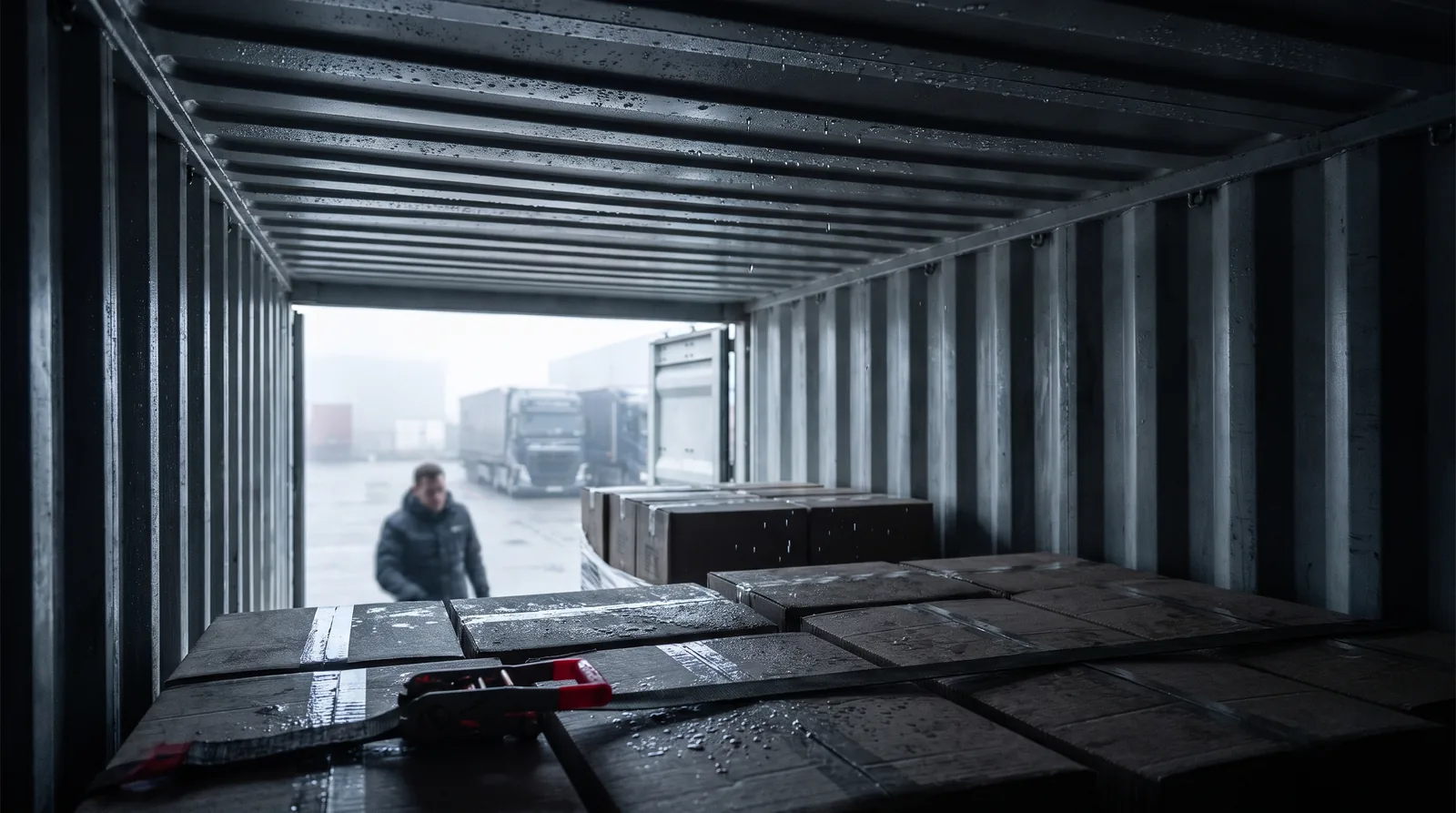
 AI image
Damp cargo most often comes from condensation. When the temperature outside and inside a trailer or container differs, water vapour condenses on the walls and roof and then drips onto the goods. Moisture ruins cardboard, labels, electronics and food, and then triggers mould, which often disqualifies the entire batch.
Where the moisture in a trailer comes from
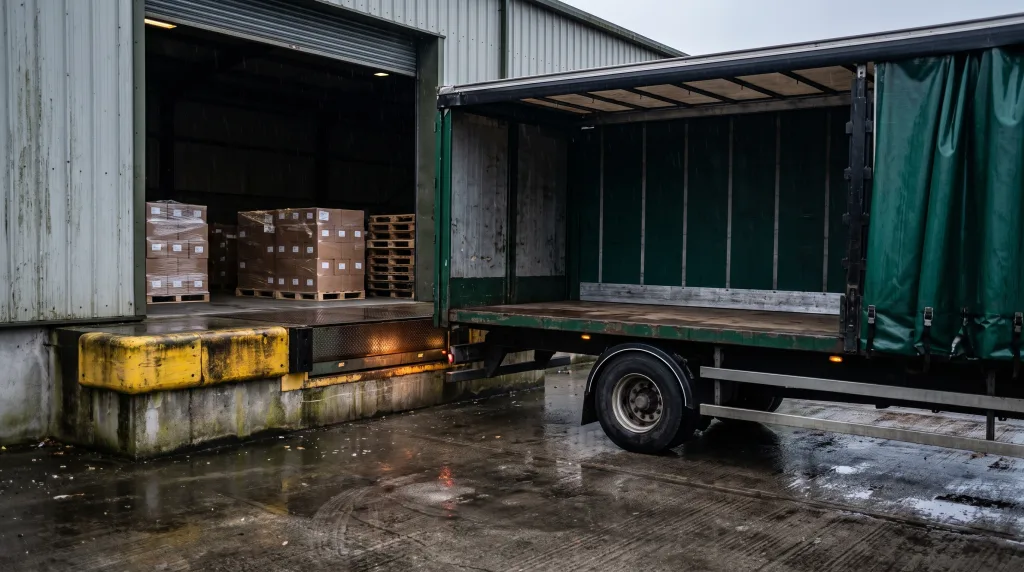
The root of the problem is temperature difference. When cargo that warmed up during the day meets a cold night, or when a trailer crosses between climate zones, the warm and humid air inside meets the cold metal of the roof and walls. The water vapour condenses and collects at the top of the load space. With the next swing in temperature, the droplets fall onto the goods. That is container rain.
Moisture does not have to come from the air. The cargo itself can bring it, for example freshly produced goods, wood, agricultural products, or damp pallets and packaging. A closed space with no air exchange then acts like a trap: water that evaporated from one item condenses on another, colder one.
What moisture and mould ruin
The effects show first on the packaging, then on the product itself.
- Cardboard and packaging. Soaked cardboard loses stiffness, collapses and stops protecting its contents. Pallet stacks can lean or slump as a result.
- Labels and markings. Smeared or peeled labels make the goods hard to identify and can block acceptance at the warehouse.
- Electronics. Moisture gets into devices and components, causing corrosion of contacts and short circuits, often invisible until the item is switched on.
- Food. Water speeds up spoilage and creates the conditions for mould to grow.
Mould is a separate danger. On food it usually disqualifies the batch, because the product cannot be released for sale. On packaging it can pass to the product itself, so goods that look clean inside a mouldy box can also be lost.
How to spot moisture during inspection
Condensation rarely stands out at first glance, so the cargo has to be examined carefully, not just from the outside of the stack.
- Roof and walls. Traces of streaks, droplets or damp metal at the top of the load space signal that condensation has occurred.
- Bottom and corner of pallets. These are the places where water lingers longest. Check the bottom layer of boxes and the corners, not just the top.
- Smell. A musty, cellar-like smell is one of the earliest signals of mould, often noticeable before any stains appear.
- Cardboard and labels. Wavy cardboard, water streaks, peeled or smeared labels point to contact with water.
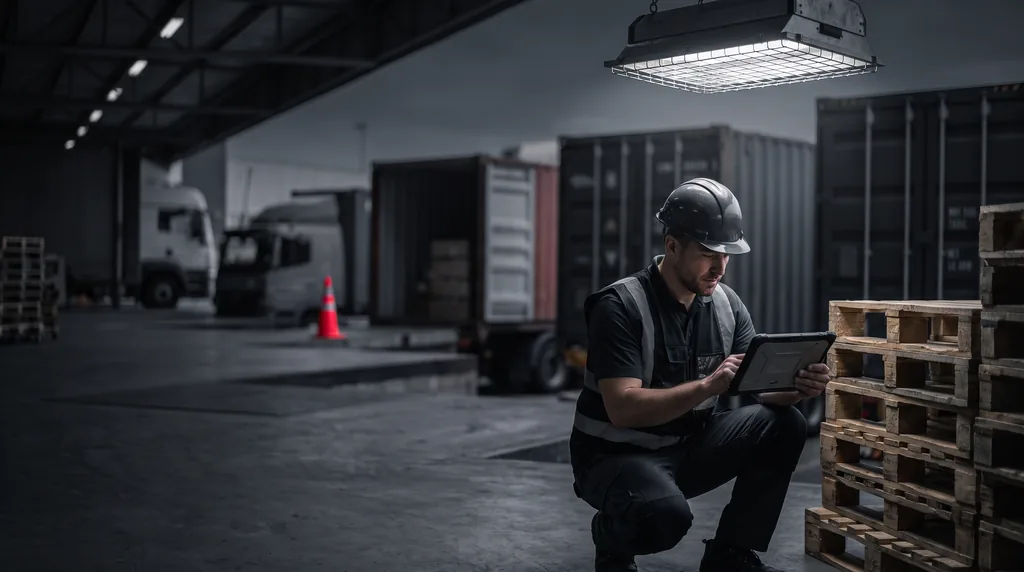
If anything raises doubt, it is worth unpacking the suspect pallet and checking deeper before the goods reach the shelf or the customer.
When the goods are already lost
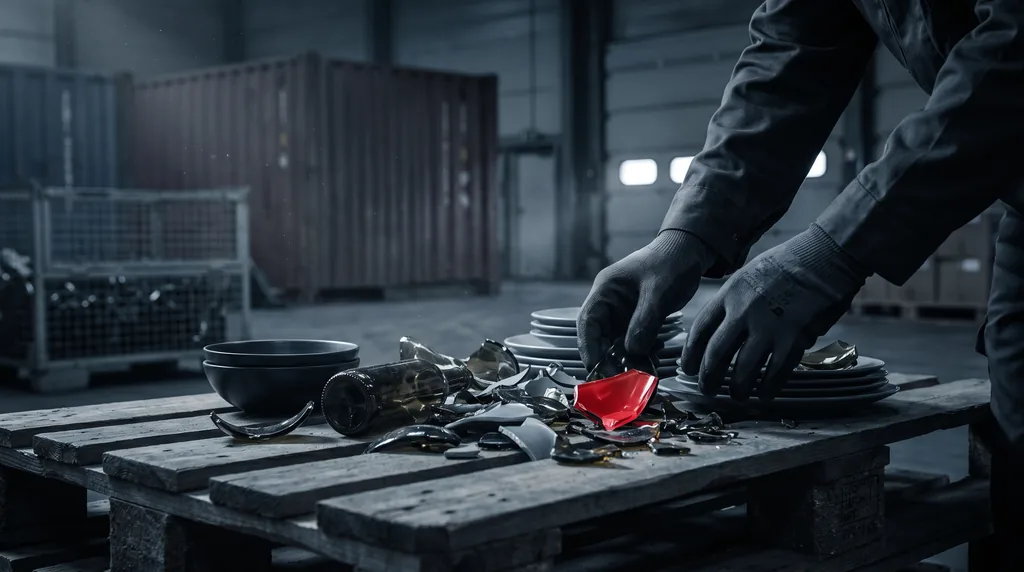
Some damage can be reversed, some cannot. Soaked cardboard can be replaced and a product that stayed dry inside can be saved. It is worse when moisture reached the goods themselves. Visible mould on food usually means the end for the whole batch, because such a product must not be released for sale. Mould on packaging that has passed to the product leads to the same outcome. Electronics that have been wetted can be lost even when they look flawless from the outside, because corrosion and short circuits show up later. That is why an honest assessment is key: separate what can be saved from what has to be withdrawn, instead of passing on a batch with a hidden defect.
How does OTSL prevent it?
Moisture is not fought after the fact, but before loading and during transport. In practice this means several things at once: ventilation that lets damp air be exchanged; absorbent materials, that is desiccants, that bind excess moisture in the load space; proper packing and dry pallets, so the goods do not bring water in with them; and dew-point control, meaning watching the temperature difference that causes condensation. Add to that inspection of the cargo before departure and on acceptance, so a problem is caught before mould has a chance to spread. If you want to protect sensitive cargo or suspect it has been damp, let us arrange a check through the contact form. We help with cargo inspection and proper warehousing, and terms such as the dew point we explain in the glossary.
Step by step
- Risk assessment. You check how sensitive the cargo is to moisture and evaluate initial humidity levels.
- Route analysis. You evaluate expected temperature changes and potential climate shifts along the transit path.
- Applying protection. You place moisture absorbers in the container or use protective breathable covers.
- In-transit monitoring. You inspect cargo conditions during stops to ensure proper air circulation and sealing.
- Post-unloading inspection. You examine the packaging for water stains to determine whether the goods remain usable.
Definitions
- Condensation: The process of water vapour turning into liquid droplets when air meets a surface colder than its dew point.
- Container rain: A common term for water condensing on the roof and walls of a trailer or container and dripping onto the cargo.
- Dew point: The temperature at which water vapour in the air begins to condense into liquid water.
- Cargo dampness: The penetration of moisture into packaging or goods, leading to material damage.
- Mould: Fungal growth triggered by excessive humidity that frequently renders cargo unsuitable for sale or use.
When does this rule not apply?
This rule does not apply to shipments carried out under strict temperature-controlled conditions, where active refrigeration prevents moisture buildup.
The OTSL role
At OTSL, we manage transport conditions using proper equipment, including temperature-controlled transport across European routes. We also help you analyze risks and understand czy towar nadaje się do sprzedaży po naruszeniu packaging or cargo integrity.
Sources
- GDV, Transport Information Service (tis-gdv.de): a knowledge base on cargo behaviour, condensation and moisture risk in transport.
- World Meteorological Organization (wmo.int): definitions of meteorological terms, including dew point and condensation.