 AI image
Document neutralisation means arranging a delivery so that your supplier never learns who your end customer is, and the customer never sees your source or prices. It involves a neutral consignment note, neutral labels and delivery documents, with repacking at an intermediate warehouse. It is legal as long as it covers commercial data, not the customs origin of the goods.
The three-party scenario: why this matters at all
You buy goods from a manufacturer in Poland and sell them at a margin to a customer in Germany or the UK. The cheapest option is to ship straight from the manufacturer to the customer. But then the CMR consignment note shows your supplier in the consignor field, the cartons carry the supplier's labels, and sometimes a delivery note with prices rides inside the shipment. The end customer sees where you buy, the supplier sees who you sell to, and at the next contract either of them may try to cut you out of the chain.
Document neutralisation resolves that conflict: the goods travel as directly as possible, but the documents and markings are prepared so that each party sees only what it should.
What gets neutralised
| Element | Risk without neutralisation | Solution |
|---|---|---|
| CMR consignment note | Manufacturer's details in the consignor field | The intermediary or the warehouse acts as consignor, a second CMR covers the second leg |
| Package labels | Manufacturer's logo and address on every carton | Re-labelling at the warehouse, neutral shipping labels |
| Delivery documents (delivery note, packing list) | Purchase prices and supplier details in the document pack | Neutral packing list issued by the intermediary, invoices never travel with the goods |
| Outer packaging | Branded boxes and printed film | Repacking into neutral outer packaging at the warehouse |
Repacking and packaging changes at the warehouse
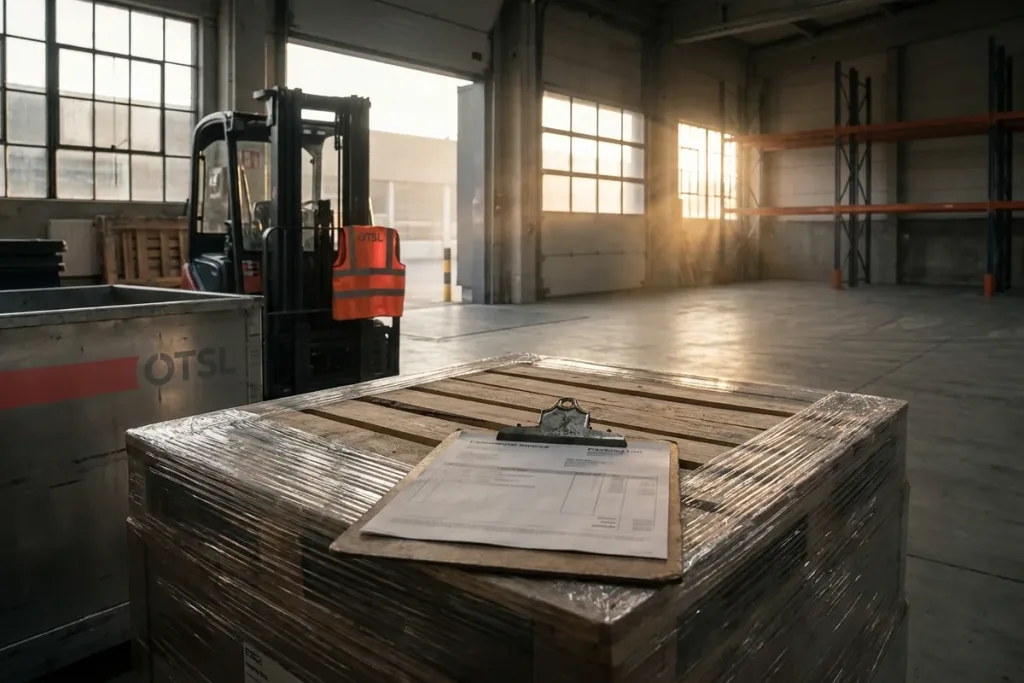
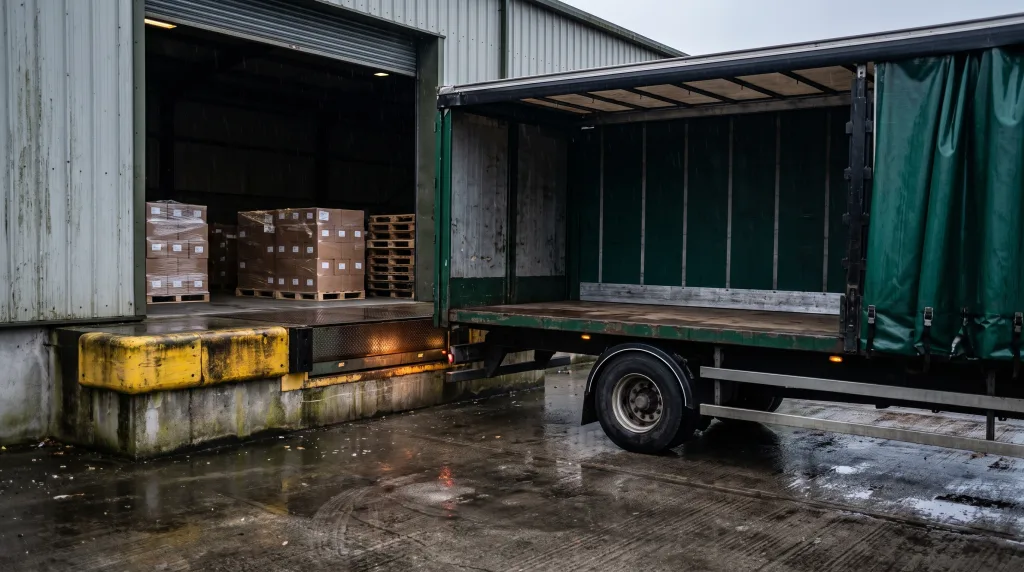
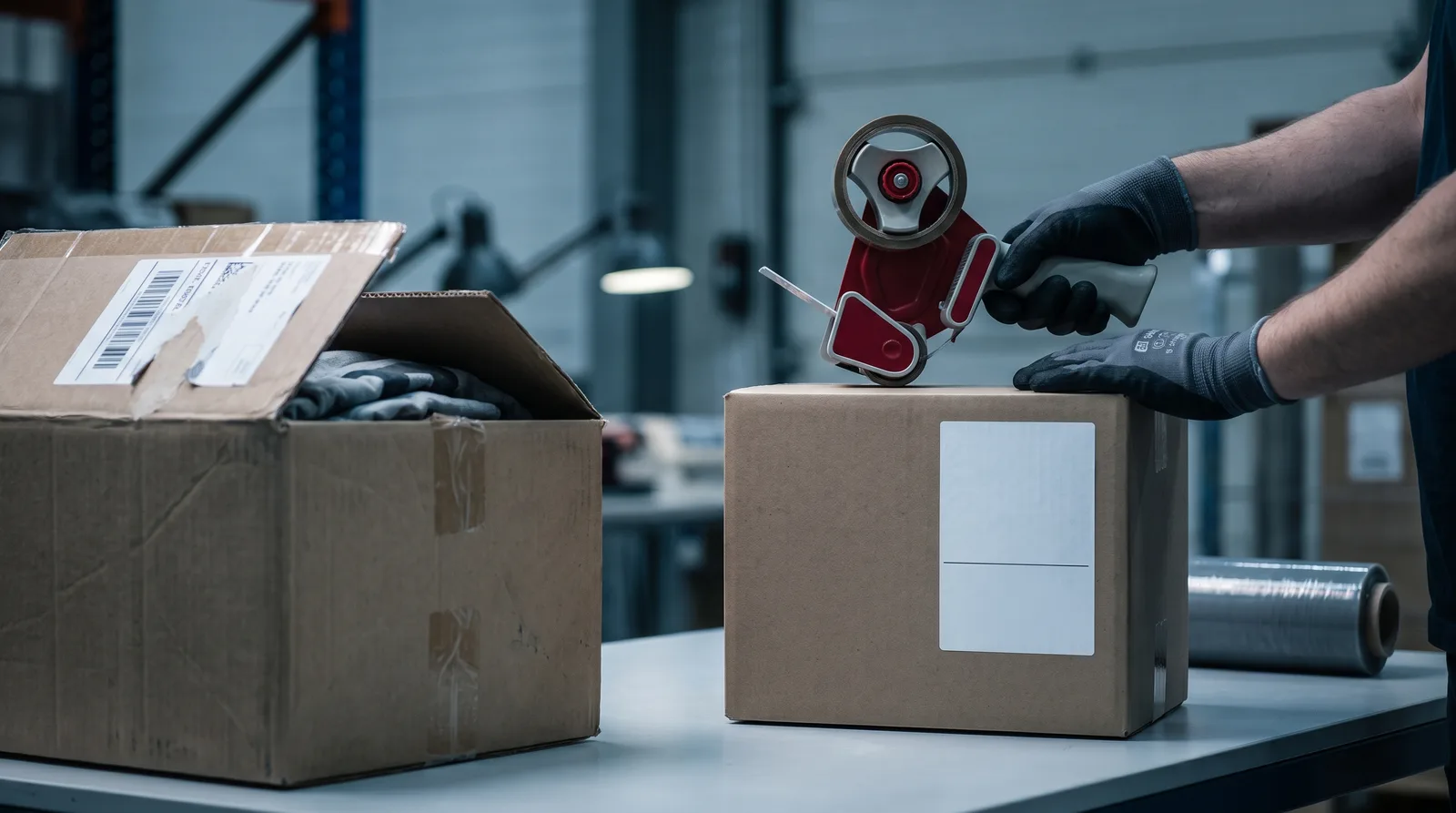
The most reliable neutralisation happens at an intermediate warehouse. The goods arrive as a delivery from the manufacturer, get checked, repacked or re-labelled, and leave as your shipment to the end customer, with a fresh consignment note and neutral documents. Physically breaking the route at a warehouse has an extra benefit: the driver on the second leg does not know the loading address of the first. We run such operations as part of our secure transloading and cargo storage service, and for UK-bound flows at our Milton Keynes warehouse, which also handles repacking and retail labelling.
The legal boundary: what is allowed and what is a crime
Commercial neutralisation is legal. You are entitled to keep your purchasing sources and prices confidential, and the transport documents may show the intermediary as consignor if it is responsible for the dispatch on that leg. The CMR Convention specifies what data a consignment note must contain, but it does not require disclosing the whole commercial chain.
The line runs at customs documents and the origin of the goods. You must not:
- change or conceal the country of origin in customs declarations or certificates of origin,
- remove made-in markings so the goods pass for a product of another country,
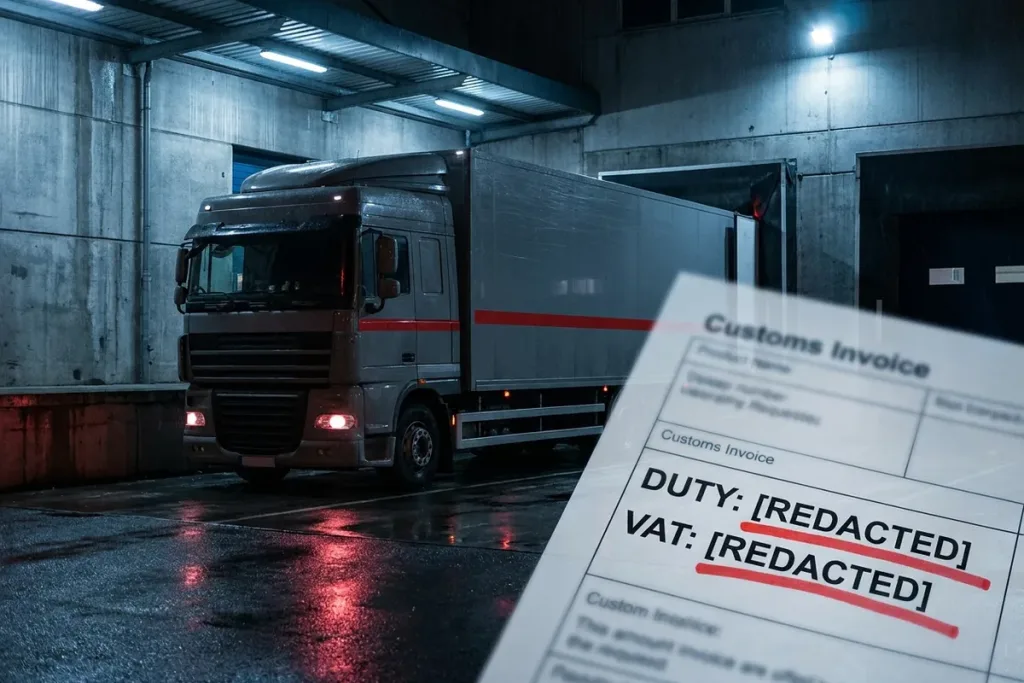
- understate values on documents used for customs clearance,
- falsify certificates or test reports.
That is no longer neutralisation but a customs or tax offence, for which both sides of the transaction are liable. An honest forwarder will refuse such a request outright.
How to set it up step by step
- Tell your forwarder openly that the transaction is three-party and which data must stay invisible to which side.
- Agree who formally acts as consignor on each leg and which documents travel with the goods.
- Write into your purchase order that the goods must be released without invoices, price lists or branded materials inside the packaging.
- Decide whether a neutral CMR is enough or whether repacking and re-labelling at an intermediate warehouse are needed.
- Arrange the delivery booking with the end customer so the shipment appears as yours, including the contact details on the documents.
The slip-ups that most often expose the supplier
In practice, neutralisation rarely fails on the consignment note, because everyone remembers that one. It fails on the small things nobody thought about:
- the manufacturer's leaflets and business cards dropped into cartons during packing,
- adhesive tape and stretch film printed with the supplier's branding,
- a supplier delivery note or picking list slipped under the pallet wrap,
- logistics labels showing the production warehouse address,
- a driver who chats at the end customer's ramp about where he loaded.
That is why the neutralisation checklist is agreed before the first shipment, not after the first slip-up. A good forwarder walks through it point by point with the warehouse, including instructions for the driver on what he may say at unloading.
The OTSL role
We have been arranging neutral deliveries for years, within the EU and to the UK and Switzerland, where customs clearance adds another layer: customs documents must stay accurate while commercial documents stay neutral. We set up the document flow, repacking and labels so your source of supply remains your secret. Describe your scenario to us and we will propose the simplest setup that achieves it.
Is document neutralisation legal in international transport?
Document neutralisation is legal as long as it concerns commercial data and trade margins, whereas it cannot be used to misrepresent the customs origin or safety parameters of the goods.
Definitions
- Document neutralisation: The process of replacing shipping and trade documents so that the end customer cannot see the original supplier or purchase prices.
- Neutral delivery: A shipment within a three-party transaction where the accompanying paperwork conceals the original shipper details and financial terms.
- CMR consignment note (Convention relative au contrat de transport international de marchandises par route): An international road transport document that is reissued during neutralisation to mask the original consignor details.
- Intermediate warehouse: A logistics facility where goods are handled and relabelled to ensure they travel with neutral documentation.
When does this rule not apply?
Document neutralisation does not apply to official customs declarations and mandatory legal entries, where disclosing the true manufacturer and country of origin is required by law.