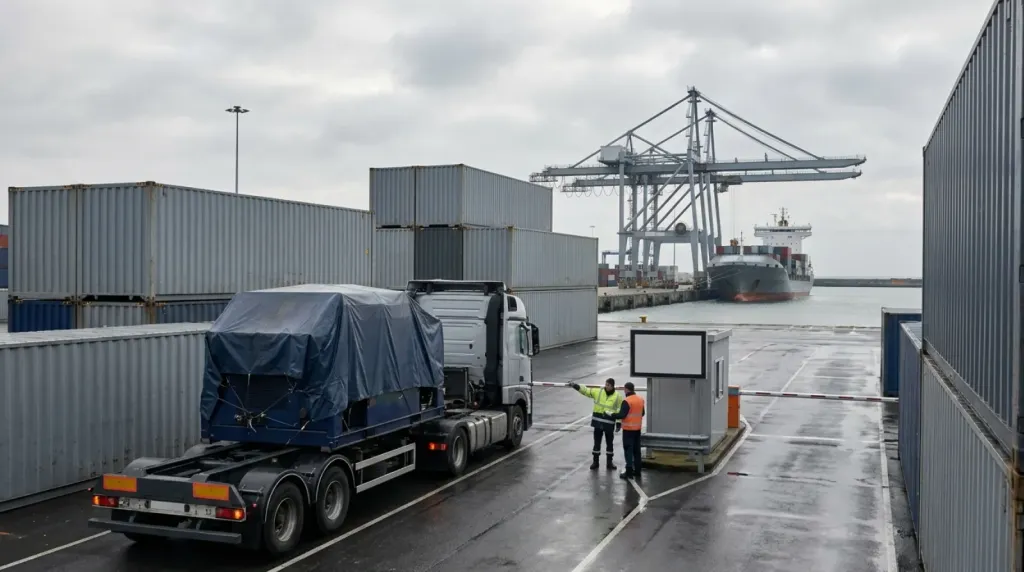
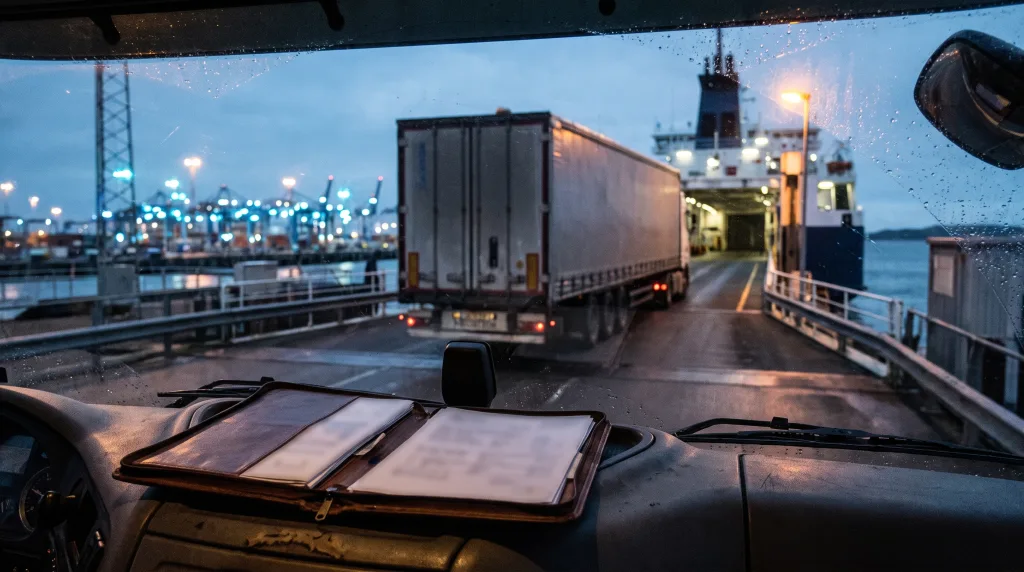
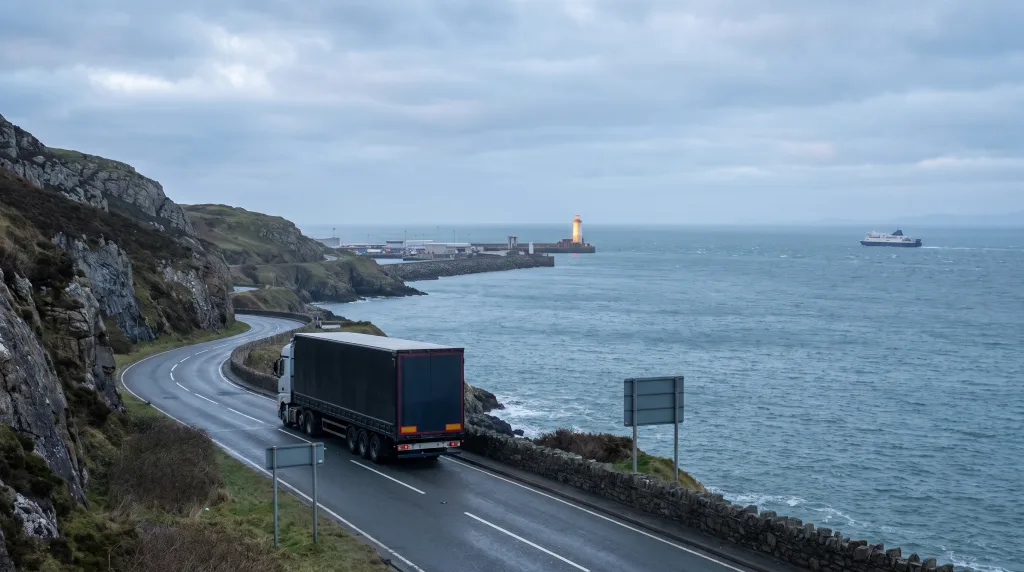
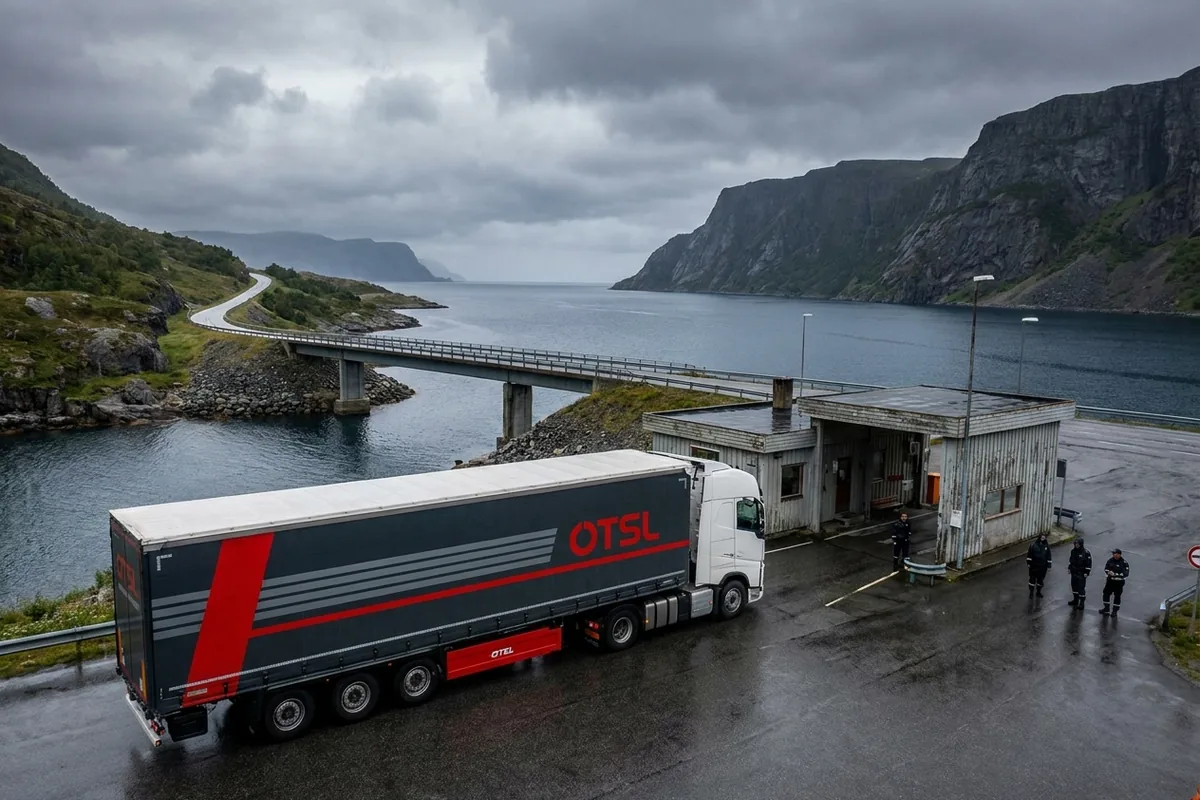
 AI image
VOEC is a simplified registration only for low-value sales to consumers (item value up to NOK 3000). Sales to businesses (B2B) and shipments above the threshold require standard import clearance and settlement of Norwegian import VAT. Customs and duty run through Tolletaten, while VAT is reported to Skatteetaten. Choosing the wrong route holds the goods at the border.
Where does VOEC ends and ordinary import begin?
The most common mistake among exporters is assuming that holding a VOEC number settles every shipment to Norway. It does not. VOEC was built for one scenario: an online shop selling small goods to a Norwegian consumer. Outside that scenario, the standard procedure applies, the same one you know from any export beyond the EU. We cover the dispatch side in deliveries to Norway outside the EU.
The boundary is clear in three places: the type of recipient, the item value and the type of goods. Crossing any one of these thresholds pushes the shipment out of VOEC and onto full clearance.
- The recipient is a business. A B2B transaction falls outside VOEC even for cheap goods. The buyer accounts for import VAT itself.
- Single item value exceeds NOK 3000. Even a sale to a consumer then follows the standard route, with VAT and any duty settled at the border.
- Goods excluded from VOEC: food, beverages, alcohol, tobacco and excisable goods. These go through full clearance regardless of value.
Who charges what: Tolletaten and Skatteetaten
In Norway the roles are split, and it pays to understand this, because questions sent to the wrong authority stretch the timeline. The Norwegian Customs (Tolletaten) handles border clearance, tariff classification, duty and physical control of goods. The Norwegian Tax Administration (Skatteetaten) runs the VAT register, and that is where a business reports import VAT in its return. Current rules are on skatteetaten.no and toll.no.
How import VAT works for a VAT-registered business
If the Norwegian recipient is VAT-registered, it does not pay VAT in cash at the border. Instead it declares the import value in its periodic VAT return (a reverse-charge mechanism) and deducts the same amount as input tax in that return. For a business with full deduction rights, the cash effect is usually neutral. This is the key contrast with a consumer, who actually bears the VAT.
The standard VAT rate in Norway is 25%, with reduced rates for selected categories (including food). Always confirm the exact rate and exceptions at source with Skatteetaten, since they are periodically updated. We make sure the figures in the return match what actually crossed the border.
VOEC versus standard B2B import: comparison
| Feature | VOEC (low-value B2C) | Standard import / B2B |
|---|---|---|
| Who collects VAT | Seller at point of sale | Recipient reports in return (Skatteetaten) |
| Item value | up to NOK 3000 | no limit |
| Recipient | consumer only | business, or consumer above threshold |
| Customs clearance | simplified / no formal declaration | full import declaration |
| Food, alcohol, tobacco | excluded | handled via full clearance |
Documents and data that decide a smooth clearance
Import clearance in Norway follows the same philosophy as other non-EU routes. Completeness and consistency of data are what count. We walk through it step by step in customs clearance Norway step by step. The minimum set is:
- a commercial invoice with correct value and delivery terms (Incoterms),
- the correct tariff code (HS), since duty and any restrictions depend on it,
- recipient details with a Norwegian organisation number and VAT status,
- a transport document and, where needed, a certificate of origin for EEA/EFTA preference.
A mismatch between the invoice and the physical load is the most common cause of delay. On a groupage move carrying different consignments, one wrong HS code can hold up the whole trailer.
When VOEC really pays off, and when it is a trap
VOEC shortens the consumer buying experience and removes surprises on delivery, so for a shop with a small-item range it is a sensible tool. It becomes a trap when a company starts selling wholesale, shipping higher-value items or serving business clients, yet still puts a VOEC number on shipments that do not fit it. The result: goods held, the buyer called to settle the import anyway, and the supplier's reputation dented. We break the routing logic down further in transport to Norway and VOEC customs.
How does OTSL run imports into Norway?
We handle Scandinavian routes with freight and clearance under one roof, one point of contact per shipment. We decide upfront whether a consignment goes the VOEC route or standard B2B clearance, set the tariff code and keep the data for Skatteetaten and Tolletaten consistent with the load. See our customs clearance offer or write to us through the contact form. We will describe your case concretely, without guessing rates.
Step by step
- Confirm the transaction type. Verify that the buyer is a business entity, which rules out using the VOEC route.
- Prepare customs documents. Gather the commercial invoice, packing list, and transport paperwork required for entry clearance.
- Lodge declaration with Tolletaten. Submit cargo details to the Norwegian customs authority for standard import processing.
- Arrange physical transport. Move the shipment across the border while ensuring customs documents remain fully aligned.
- Report through Skatteetaten. Include the import tax within the Norwegian importer's periodic mva-melding return.
Definitions
- VOEC (VAT On E-Commerce): A Norwegian simplified scheme for foreign sellers to charge and collect sales tax on retail transactions with consumers.
- Tolletaten: The Norwegian Customs Authority responsible for border controls, cargo monitoring, and collecting duties.
- Skatteetaten: The Norwegian Tax Administration responsible for managing tax returns and handling VAT reporting.
- Mva-melding: The periodic Norwegian VAT return used by registered businesses to report and settle sales tax.
- Import VAT: The tax levied on goods entering the Norwegian customs territory under commercial trading conditions.
The OTSL role
When arranging B2B freight into Norway, we manage the border process and customs document alignment to ensure continuous transit. Explore our groupage (LTL) options and consult UK customs and EU import terminology to prepare your international shipments effectively.