 AI image
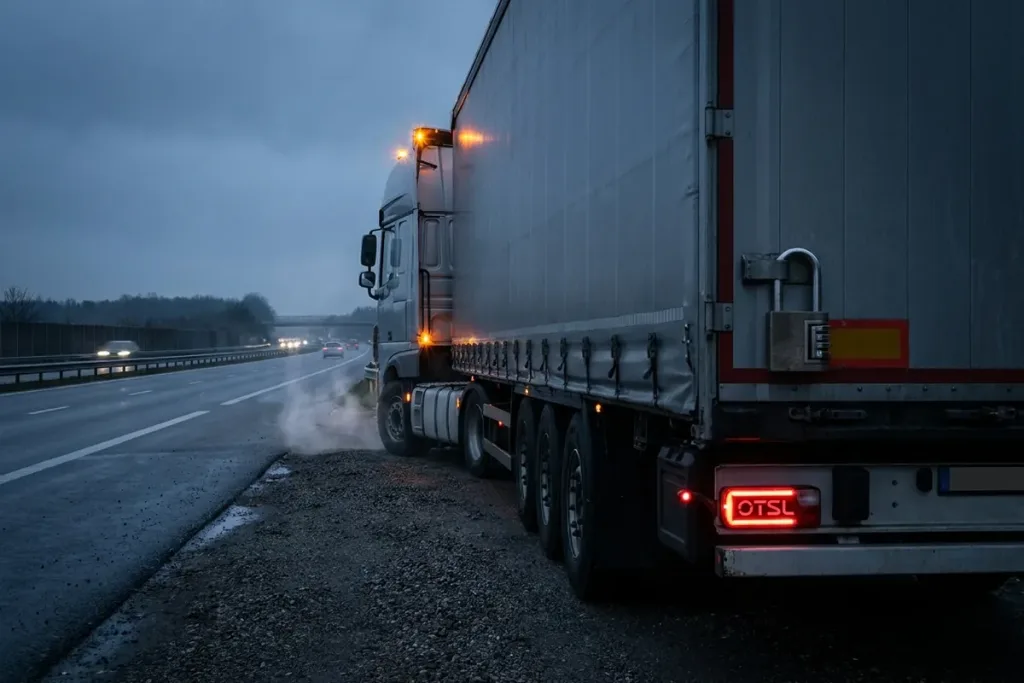
In peak season, transport capacity runs out faster than orders come in. When you call at the last minute, the trucks are simply gone, and whatever is left goes at rates you never planned for. The result is a stopped line, an empty shelf, a missed fair build-up slot and a penalty from your own customer. OTSL reserves capacity, slots and fleet ahead of time so this scenario never reaches you.
When capacity disappears from the market
The road-freight market has predictable peaks. In these windows, demand for trucks grows faster than supply, and free vehicles vanish within hours. It hits hardest during:
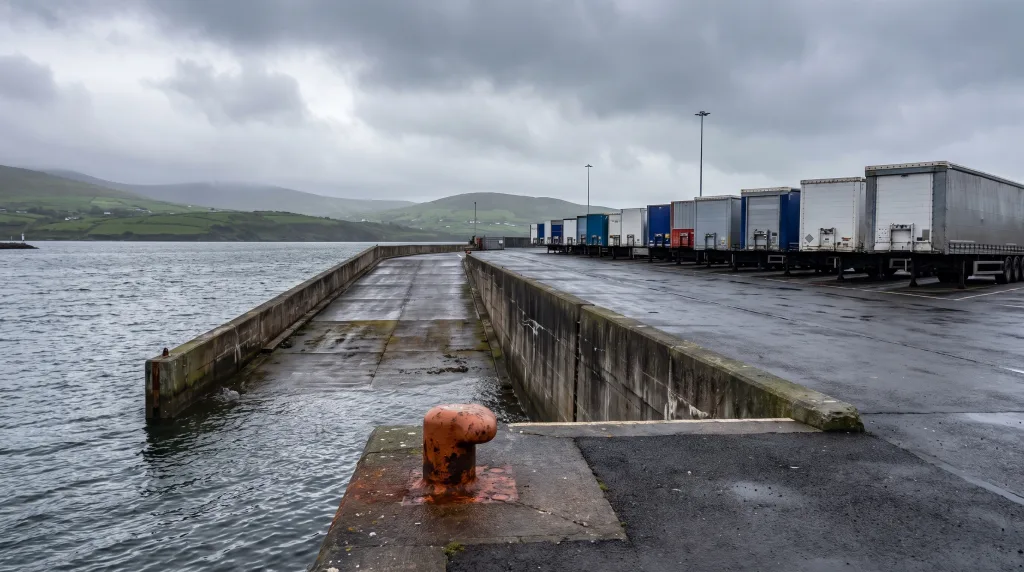
- Q4 and the pre-Christmas period, especially on the UK lane, when retail chains close their deliveries before the holidays, on top of checks and queues at crossings and ferry ports.
- Trade-fair build-up windows, where the stand build has a fixed slot. Crew and structure must be on site on a specific day, because the hall opens with no exceptions.
- Harvest and buying season, which pulls fleet toward agricultural loads and leaves fewer trucks for every other sector.
- Post-holiday and long-weekend surges, when everyone catches up on their backlog in the same week.
At these moments, a forwarder without secured capacity is competing for market scraps against the whole industry at once.
What goes wrong with a last-minute order
When you call the day before loading in a peak window, four things happen, usually in sequence:
- There is no truck. Free vehicles on that corridor are already committed to clients who planned their freight earlier.
- The rate spikes. What remains is bid on by several shippers at once. You pay a premium for urgency, not for service.
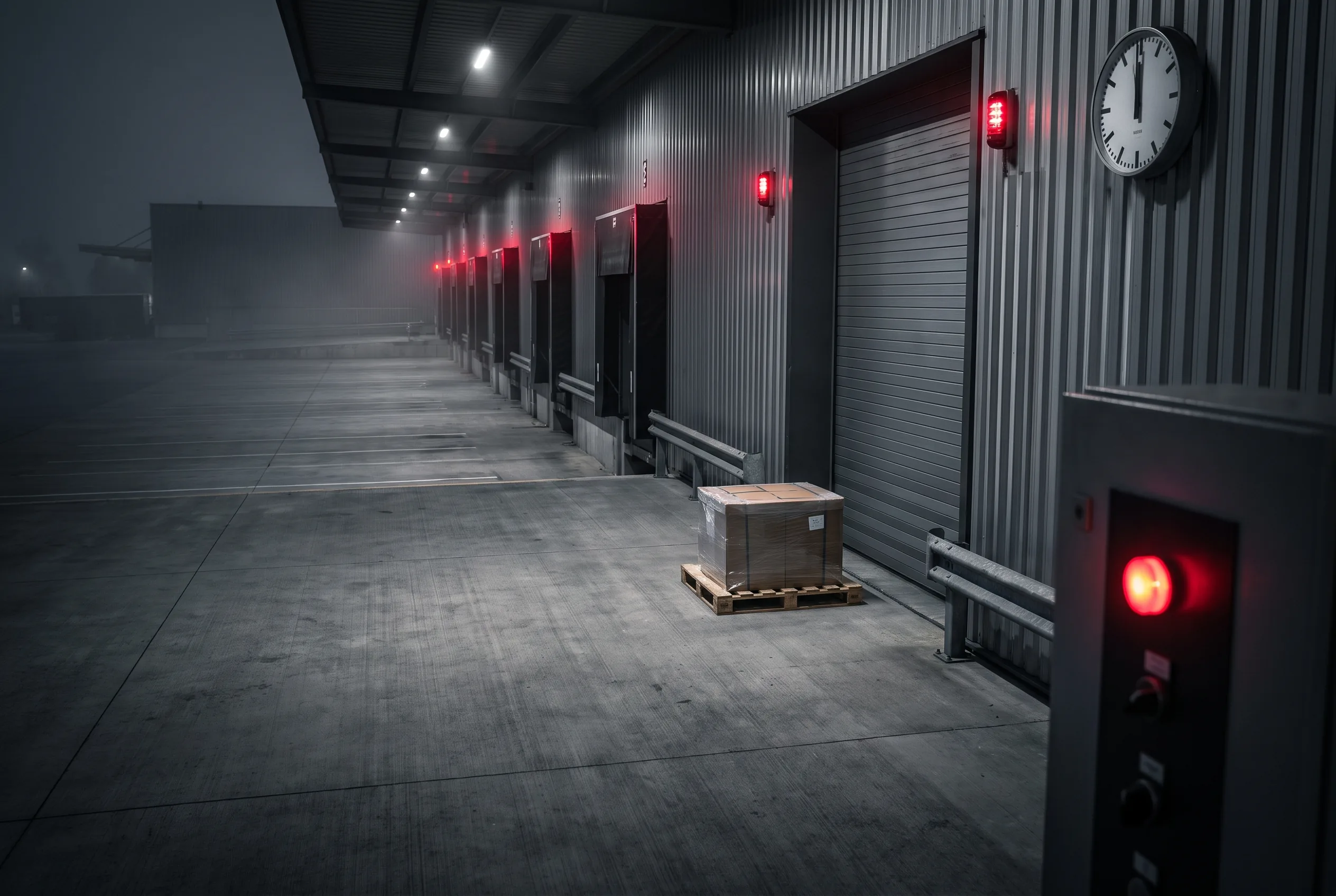
- There is no slot. Ferry space and fairground entry windows are limited and reserved in advance. A truck is not enough if there is no slot for it.
- The buffer for checks disappears. UK customs clearance, a sanitary inspection or a terminal queue can eat the entire time reserve that last-minute booking no longer has.
What it really costs
The difference in the truck rate is the smallest problem. The real cost lands on your business further down the chain:
- A stopped production line, because a component did not arrive on time. Downtime is counted by the hour, not by the transport price.
- An empty shelf at your customer at the peak of sales, meaning lost revenue exactly when it is highest.
- A missed trade-fair build-up window. If the structure does not enter in its assigned slot, the stand is not ready in time, and that is the cost of the entire show presence.
- A contractual penalty from your client for a late or incomplete delivery, plus a dent in the relationship that outlasts a single season.
Added up, these items can far exceed the saving that waiting until the last minute supposedly delivers.
How does OTSL secure it?
We do not bid on market scraps on loading day. We plan capacity before the peak begins:
- We forecast the season with you. We know the recurring windows on the Poland, UK, Switzerland, Norway and Ireland lanes, so we reserve fleet against your volume ahead of time rather than reacting.
- We secure capacity with trusted carriers before the market closes, so the rate stays predictable and the truck is genuinely available.
- Affiliated fleet as a buffer. When the external market tightens, those tractor units give us flexibility that a forwarder relying solely on the spot market does not have.
- We book ferry crossings and fair windows early, because these are scarce goods in themselves during a peak and cannot be bought at the last minute.
- We build in a buffer for checks and clearance, including UK customs clearance, so a queue or an inspection does not overturn the whole schedule.
The rule is simple: peak-season transport is won with a calendar, not a panic phone call. The earlier you flag your volume, the surer the truck and the more stable the rate. Talk to OTSL before the season, not in the middle of it.
Step by step
- Audit shipping schedules. Estimate required cargo space well before entering the final quarter.
- Book vehicles early. Reserve required fleet capacity weeks prior to the target dispatch date.
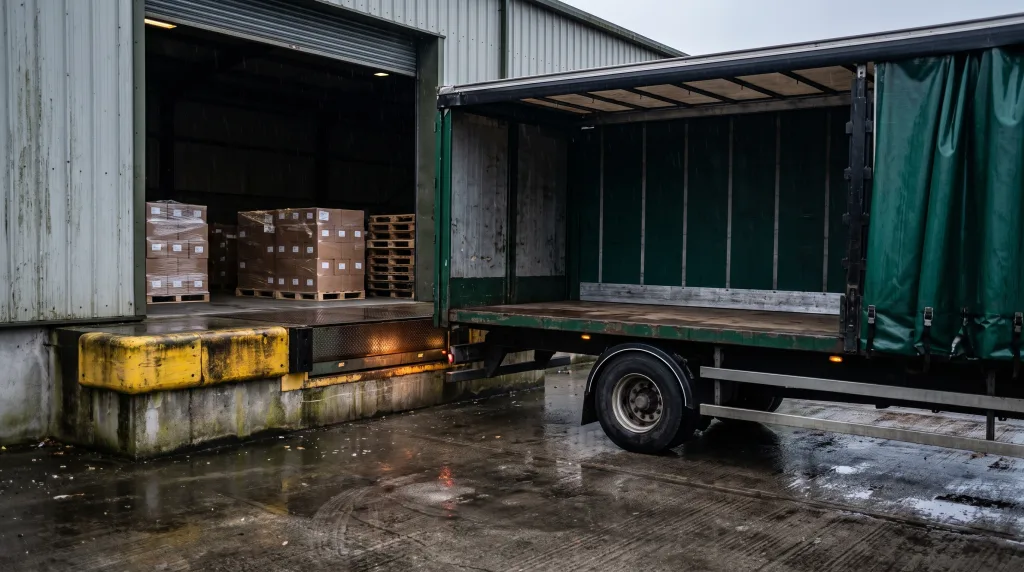
- Confirm delivery slots. Coordinate arrival windows with receiving warehouses and trade fair organizers.
- Prepare customs paperwork. Complete export and import documentation before the vehicle arrives for loading.
- Monitor transit status. Track freight movement to handle potential bottlenecks at ports and border points.
Definitions
- Transport capacity: The total volume of trucks and cargo space available across the market at any given moment.
- Q4 (Fourth Quarter): The final three-month period of the calendar year characterized by elevated freight activity.
- Peak season: A recurring period during which freight demand outpaces the available supply of vehicles.
- Build-up slot: A fixed timeframe allocated for unloading goods and materials at exhibition centers.
The OTSL role
OTSL books capacity and delivery slots in advance to protect supply chains during peak periods. Operating through facilities in Milton Keynes and Kielce, we organise scheduled moves using road transport (FTL) services. Learn more about trade event risks in our article on why poor exhibition logistics costs more than the transport itself.