 AI image
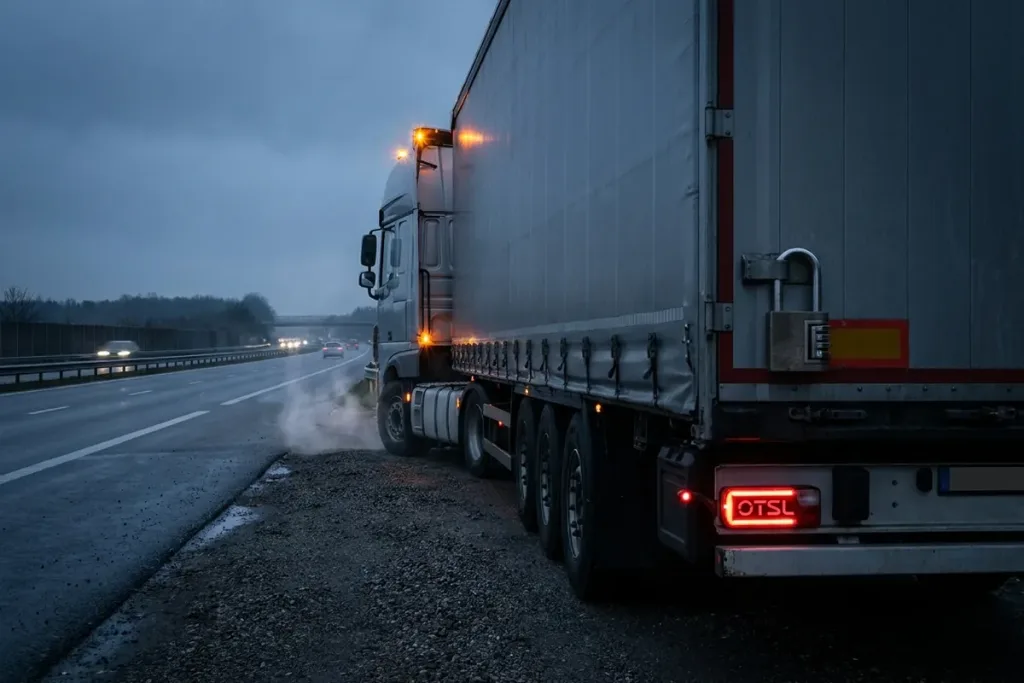
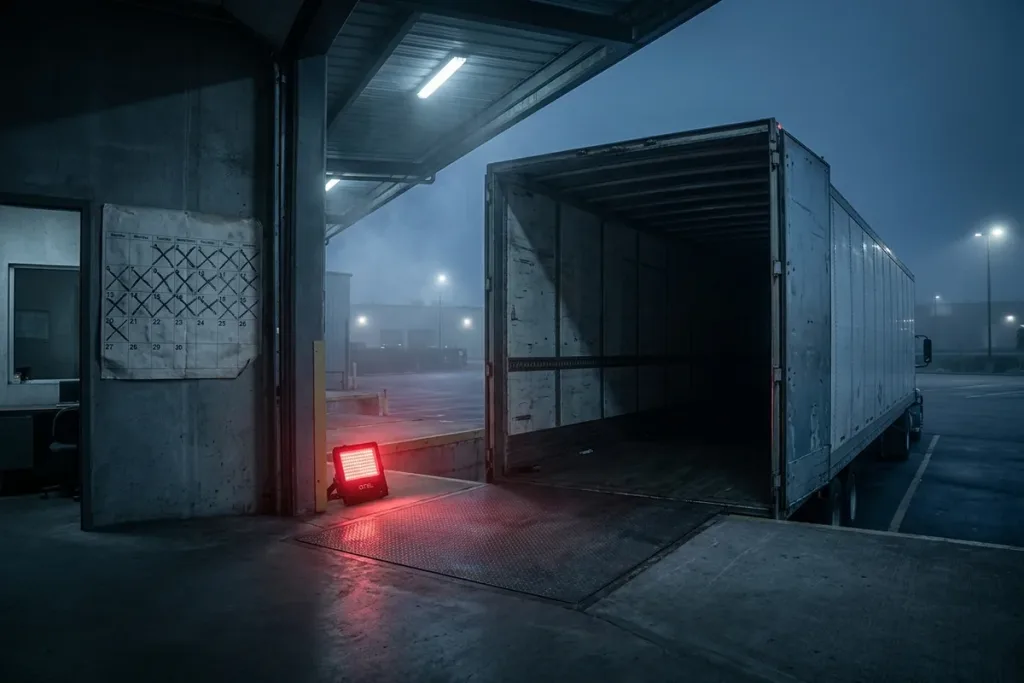
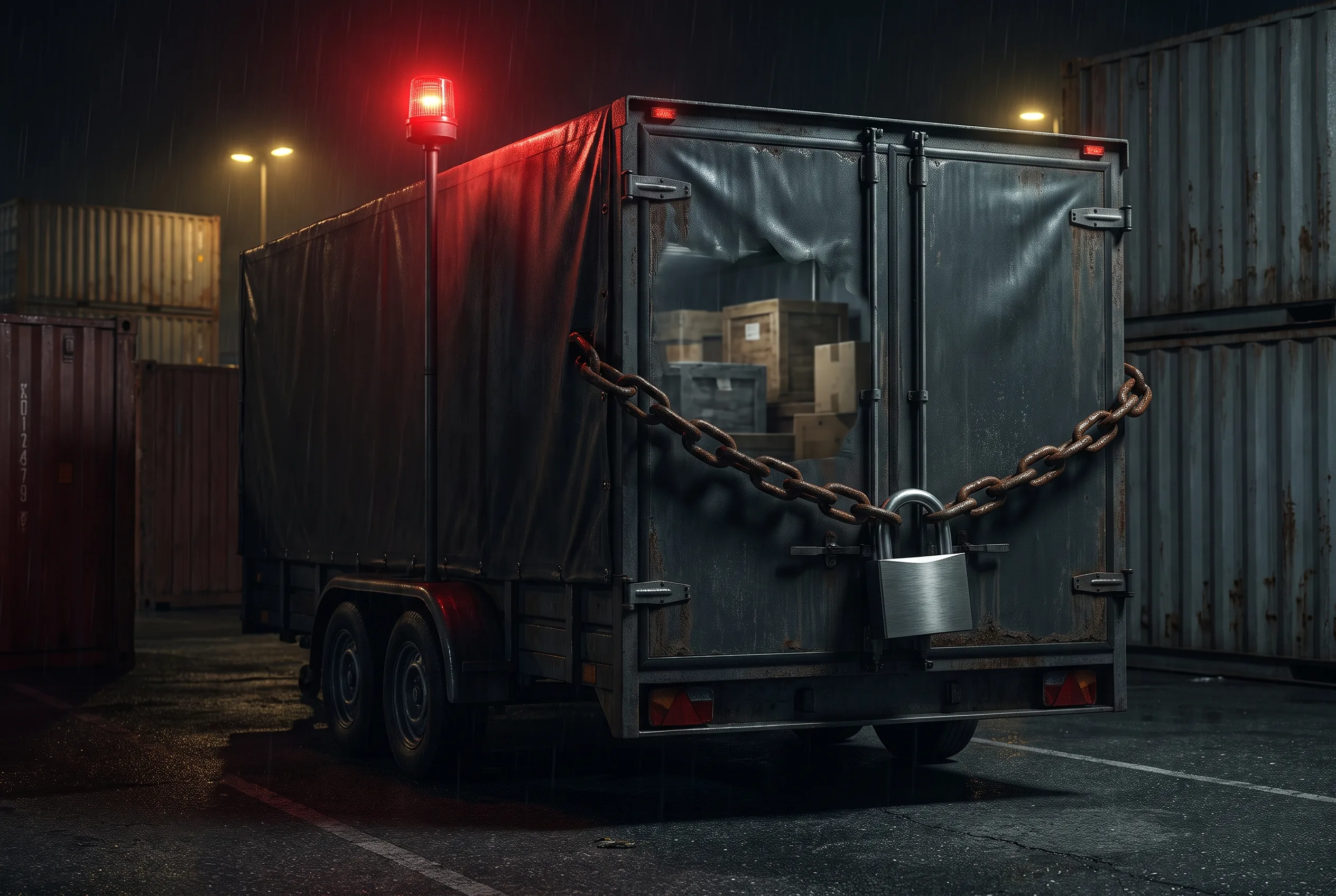
Yes, a carrier can hold your goods until it is paid for the transport. This right of retention, a lien on the cargo, secures the haulier's or sub-haulier's claim to the freight charges. Its exact scope and conditions depend on the contract and the jurisdiction. In practice it means one thing: even if you paid your forwarder, your cargo can be trapped if that forwarder never settled with the haulier who actually moved it.
How the lien mechanism works
In international road freight, one party rarely does everything. A forwarder accepts the order and often subcontracts the haul: to a subcontractor, who passes it to yet another carrier. A chain forms. Every link in that chain that physically holds the goods can demand payment for its part of the service and refuse to release the cargo until it is paid.
The trouble starts when the money stops somewhere in the middle. You pay the forwarder. For some reason the forwarder does not pay onward: a cash-flow blockage, a dispute, insolvency, or plain unreliability. The carrier actually moving your goods has not seen a penny from anyone. To that carrier the debtor is whoever hired it, but it has one point of leverage: your cargo sitting on its trailer.
What do you actually lose when goods are held?
This is not a theoretical risk. The consequences hit at once and in sequence:
- Frozen delivery. The goods stand still. They will not reach your customer or your production line until the dispute is resolved.
- Mounting demurrage and storage costs. For every day the trailer or cargo waits, someone charges detention or storage. The bill grows while the goods have not moved an inch.
- Risk of paying twice. In the worst case, to recover your own goods you pay the carrier directly, even though you already paid the forwarder once. Getting that money back from an unreliable intermediary is a separate, drawn-out fight.
- Loss of trust with your customer. Your consignee does not care who failed to pay whom. They only see that the delivery did not arrive on time. The reputation you built over years takes the hit for someone else's cash problem.
Why does forwarders stay silent about thi?
You will not read about the right of retention in a sales pitch. It looks bad because it exposes the weakness of a model built purely on subcontracting and a thin margin. A company with no fleet of its own that never checks the health of its subcontractors passes the risk of the whole chain onto you without a word. As long as everything runs, you see no difference. The difference shows up on the exact day something breaks.
How does OTSL remove this risk?
The answer is control over the chain, not lengthening it. At OTSL we close this off on several levels:
- Affiliated fleet. We run a significant share of orders with the fleet of an affiliated transport company. Where that company hauls the goods, the chain of intermediaries is shorter and disputes over settlements between them do not arise.
- Vetted carriers. When we use partners, they are verified companies: licence, insurance, track record, financial standing. We do not hand your cargo to a random operator picked off a freight exchange.
- Paying hauliers on time. We pay carriers as agreed. A carrier that is paid on time has no reason and no right to hold your goods.
- A transparent chain. We know who physically carries your cargo on every leg. We answer for the whole route, not just for taking the order and passing it on.
The right of retention protects the carrier and exists for a good reason. The risk lies not in the right itself but in a chain that nobody watches. When you choose a forwarder, do not ask about the rate alone. Ask who will actually move your goods, and whether that person is sure to be paid.
Step by step
- Status verification. Identify the location of your goods and which party in the chain is retaining them.
- Forwarder contact. Request immediate proof of settlement between the forwarder and the performing carrier.
- Document collection. Gather payment receipts, transport orders, and consignment notes proving your compliance.
- Direct negotiation. Discuss terms directly with the holding carrier if the forwarder fails to process the payment.
- Claim recovery. Demand compensation from the defaulting forwarder for any financial losses caused by the delay.
Definitions
- Lien (right of retention): The legal right to hold cargo until outstanding carriage charges are paid.
- Freight: The payment due for carrying goods under a transport agreement.
- Freight forwarder: A company arranging the movement of goods on behalf of a shipper, often subcontracting haulage.
- Sub-haulier: An independent carrier engaged by another carrier or forwarder to perform the physical transport.
When does this rule not apply?
This rule does not apply if the carrier took possession of the goods unlawfully or if the debt arises from a separate, unrelated contract. Furthermore, a lien depends on the local legislation, which may strictly prohibit holding specific types of cargo or emergency goods.
The OTSL role
OTSL works with trusted partners and manages transport workflows to prevent financial disruptions across the supply chain. When arranging road transport services, clear contract terms protect shippers from third-party liabilities. You can also read about cargo inspection procedures and insurance reports to ensure complete safety.