 AI image
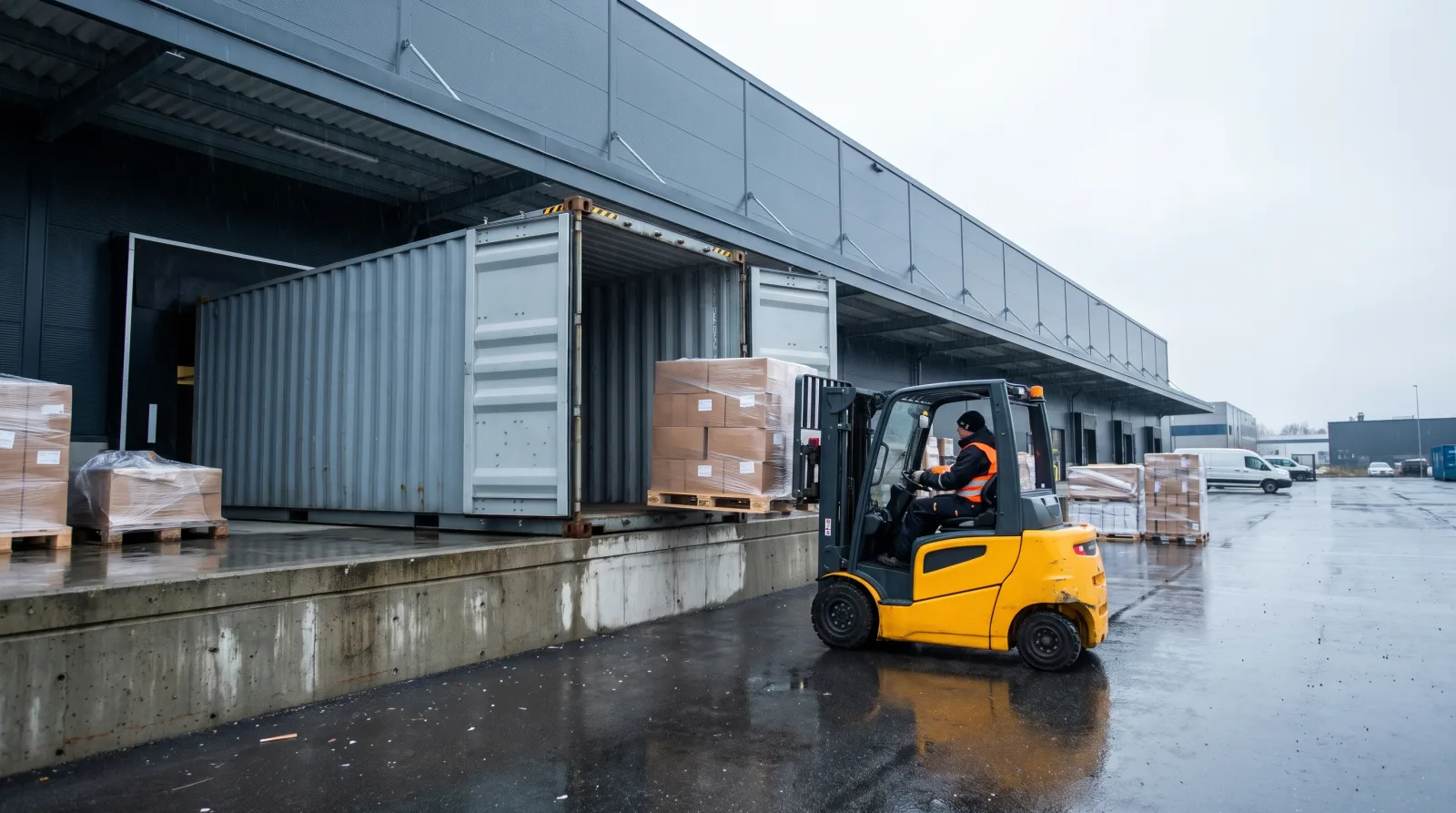
Container devanning is the unloading of a shipping container onto pallets or straight into a warehouse. For a full container load (FCL) the whole box belongs to one shipper, so the unloading plan is driven by one set of dates: the carrier free time for returning the empty. The OTSL warehouse in Milton Keynes (MK1 1LG) works 24/7 and sits near the M1 on the road from Felixstowe, Southampton, London Gateway and Tilbury to consignees across England. Ramp acceptance of containers and drayage from port are arranged individually for each job, not sold as a fixed slot.
Why does devanning planning start from the empty return date?
Every booking carries a number of free days set by the shipping line. After they expire, demurrage applies while the container is still in port and detention applies once it is out of port with you. Neither figure comes from a warehouse or forwarder tariff; both come from the booking. If the box leaves the port on Thursday and the consignee has no slot until Wednesday, the cargo spends a week in a steel container you are paying for. Devanning at an intermediate point separates the two clocks: the container returns to the depot and the goods wait on pallets in a warehouse.
So the first questions we ask are about dates: vessel arrival, number of free days and the depot the empty must go back to. Only from those three answers can the window for drayage, unloading and return be calculated. If the return depot differs from the port of discharge, the extra transit time depends on the line and the booking, and you need to build it in.
What happens to the container between the port and Milton Keynes?
GB import clearance takes place before the container is released from the port. OTSL runs its own customs agency in the UK and can lodge the import declaration within the same job, or you keep your existing agent. Once released, the container moves by road to Milton Keynes; that leg is drayage. Milton Keynes lies on the M1 between London and Birmingham, so traffic from the east-coast and south-coast ports reaches it on trunk routes without crossing central London.
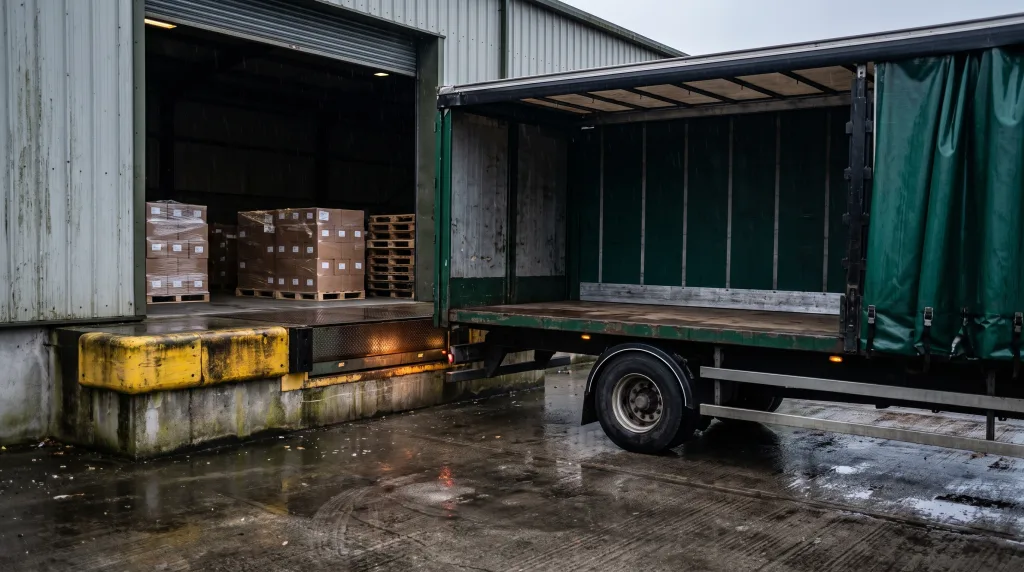
At the warehouse the container is placed on the ramp, the seal is checked and photographed, and unloading begins with a count against the packing list. Goods go onto pallets or into pallet storage, cross-docking, quality inspection or consignee labelling. The scope of container work (ramp placement, unloading time, drayage and empty return) is agreed job by job and is not a standing price-list item.
FCL container devanning step by step
- Booking dates and terms. You send the container number, vessel arrival date, free days and the empty return depot. The operational window is calculated from these.
- GB import clearance. The OTSL customs agency in the UK or your own agent lodges the import declaration; without release the box does not leave the port.
- Drayage from port. Haulage from Felixstowe, Southampton, London Gateway or Tilbury to Milton Keynes is arranged by agreement, or you use your own container haulier.
- Arrival and seal check. The seal number is compared with the documents and the container is photographed before and after the doors open.
- Unloading and count. Goods come off onto pallets, unit counts go into the receiving report, and discrepancies are photographed on the spot.
- Empty return and disposition. The empty goes back to the depot inside the free time; the goods wait in storage, move by cross-dock or go to labelling according to your instruction.
Definitions
- FCL (Full Container Load): a container loaded with goods of a single shipper, as opposed to LCL (Less than Container Load), a groupage container shared by several shippers.
- Devanning (destuffing): unloading goods from a shipping container onto pallets or into a warehouse, with a count against the documents.
- Drayage: road haulage of a container from the port to the devanning point and return of the empty to the depot.
- Demurrage: a shipping-line charge for a container remaining in port after free time has expired.
- Detention: a shipping-line charge for a container remaining outside the port (with the consignee or at a warehouse) after free time has expired.
- Free time: the number of charge-free days for collecting and returning the container, defined in the booking terms.
Checklist before a container is placed at Milton Keynes
- Container number, seal number and booking reference in one message to the warehouse.
- Confirmation of GB customs release and who lodges the import declaration.
- Number of free days and the address of the empty return depot.
- Packing list with carton or pallet count and weight, so the count has a reference.
- Disposition after unloading: storage, cross-dock, labelling, quality inspection.
- An agreed receiving window: the warehouse runs 24/7, but the ramp and the team must be scheduled.
When does devanning in Milton Keynes not make sense?
An intermediate point does not apply when the consignee has its own container ramp and a free slot inside the free time: the box then goes directly and devanning in MK only adds a handling step. The same holds when the whole load goes to one consignee in northern England or Scotland, unless the goods need labelling, quality inspection or palletisation to a retailer standard on the way. Whether it pays depends on how many days the container would wait for a consignee slot and what detention the line would charge for those days.
The OTSL role
OTSL combines three elements in one job: container transport (drayage) from the English ports, GB import clearance through its own customs agency, and devanning plus onward handling at the Milton Keynes warehouse. Container work is scoped individually; we do not promise a fixed unloading time without knowing the load. How line charges arise and how to bring them to zero is covered in our article on container demurrage and detention costs, and the full warehouse scope in Milton Keynes warehouse 24/7 services. See also: Milton Keynes as a deconsolidation hub for container lines and NVOCCs and LCL deconsolidation in Milton Keynes: hold for customs release and Loose-loaded container palletisation UK: hand unload in Milton Keynes.