 AI image
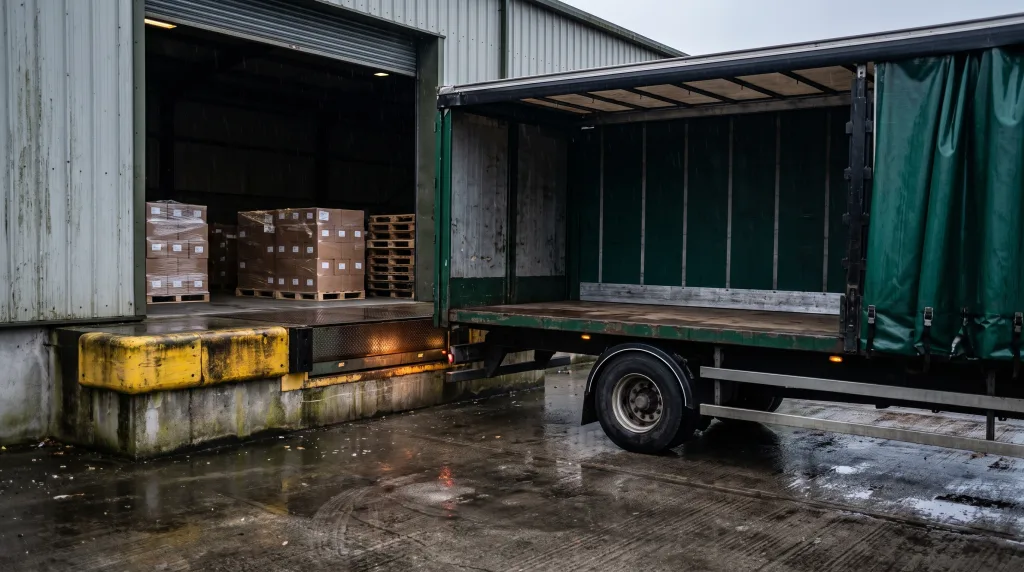
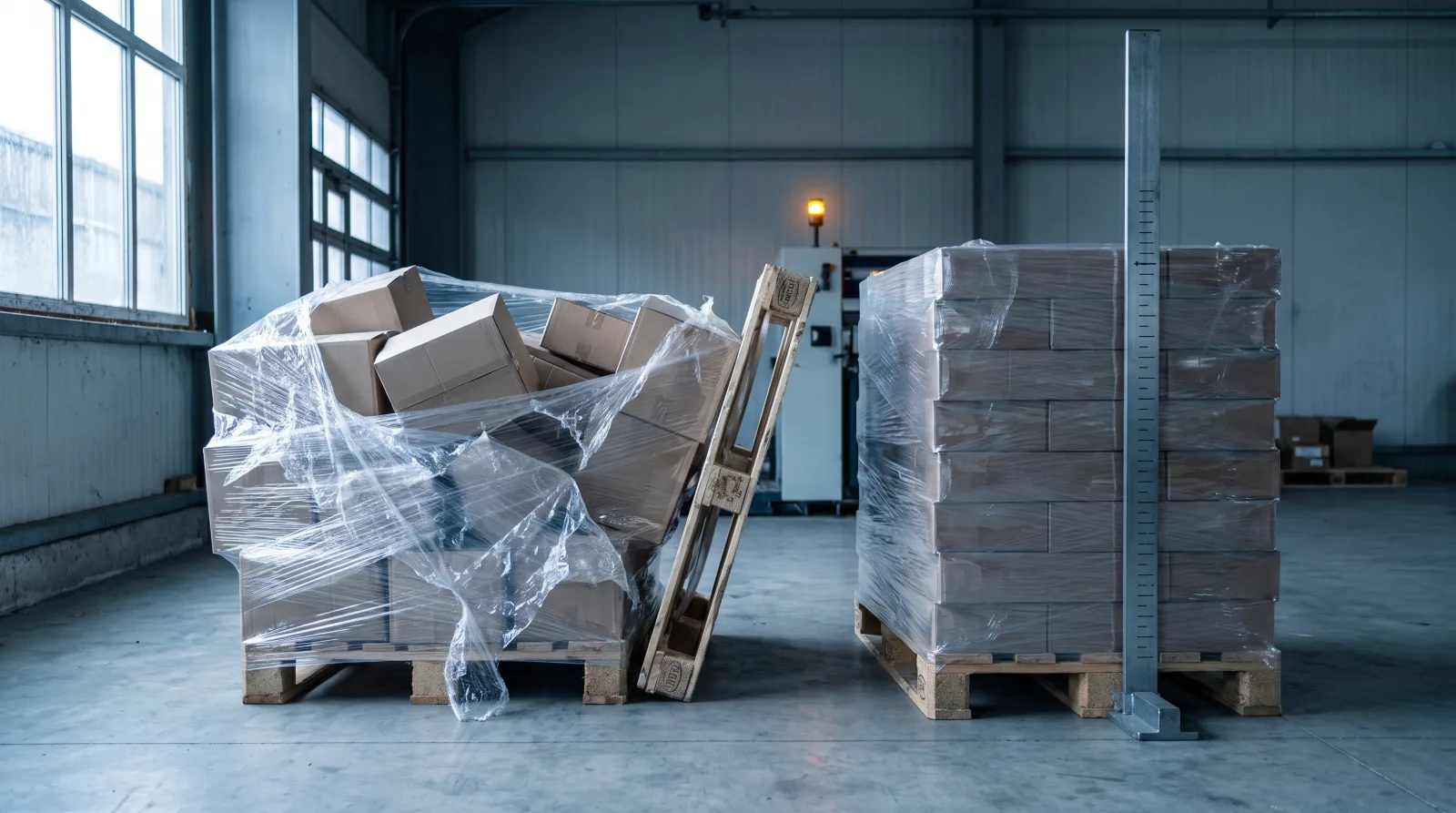
Restacking is rebuilding a pallet: taking the goods off, stacking them again, often on a different pallet, and re-securing them with film. It is used after a load has shifted, when the pallet is damaged or when it does not meet the consignee standard. RDCs check at the gate the pallet type, height and weight, overhang, stability and wrapping, label position and agreement with the booking; each retailer sets its own limits. The OTSL warehouse in Milton Keynes rebuilds pallets, counts units and photographs the result before re-booking.
What does the RDC gate check, and why does a pallet come back?
The gate check at an RDC is short and binary. The operative checks the pallet type (whether it belongs to the pool the retailer requires), height and weight against the limit, whether goods overhang the pallet footprint, whether the layers are stable and film-wrapped, whether the logistics label is in the right place and readable, and whether the unit count matches the booking. Any one of these points on its own is enough for a refusal; there is no discussion on the bay.
Limits are not universal. One retailer allows a different height from another, treats mixed pallets differently, requires corner protection where another does not. So before restacking we need the supplier manual of that specific retailer, or the consignee name so that we can check the requirements ourselves. Rebuilding to a generic standard is pointless if the gate checks its own.
How is a pallet rebuilt in Milton Keynes?
A shifted or refused pallet goes to the rebuild zone. We first photograph it as received, then take the goods off layer by layer, counting units and setting damaged ones aside on a separate pallet for the report. Then we build the pallet again to the consignee standard: the right pallet type, layer pattern, height and weight within the limit, film with the right number of wraps, label where the manual says. The finished pallet is photographed with a height gauge.
If the standard calls for a different pallet from the one the goods arrived on, the change must be recorded on the delivery documents: pooled pallets from rental systems are accounted for by the consignee separately, and a missing entry means a pallet dispute after delivery. After restacking a new slot in the retailer's booking system is needed; the goods wait in short-term storage, temperature-controlled where required.
Restacking to RDC standard step by step
- Consignee standard. You send the retailer's supplier manual or name the consignee, and we check the requirements: pallet type, height, weight, wrapping, label.
- Receipt and condition photos. The pallet is photographed as received; the reason for refusal from the delivery documents goes into the report.
- Break-down and count. Goods come off layer by layer, units are counted, damaged ones set aside and photographed.
- Build to standard. New pallet, layer pattern, height and weight within limit, film and label per the manual; any change of pallet type recorded on the documents.
- Final check. Height and weight measured, photograph with gauge, unit count compared with the booking.
- New slot and dispatch. The forwarder books a slot in the retailer's system; the goods wait in storage and are released on instruction.
Definitions
- Restacking: rebuilding a pallet by taking the goods off, stacking them again and re-securing with film, often on a different pallet.
- RDC (Regional Distribution Centre): a retailer's regional warehouse that receives deliveries on booked slots and checks pallets at the gate.
- Supplier manual: the retailer's document setting delivery requirements: pallet type, height and weight limits, wrapping, labels, booking.
- Pallet footprint: the plan view of the pallet; goods overhanging the footprint are a ground for refusal regardless of height.
- Pooled pallet: a reusable pallet in a closed rental pool, accounted for between the parties separately from the goods.
- Booking slot: a delivery window reserved in the retailer's booking system; a new one is needed after restacking.
Checklist before restacking
- The retailer's supplier manual or the consignee name so we can check the requirements.
- The reason for refusal recorded on the delivery documents and photos from the RDC bay.
- The pallet type the retailer requires and who supplies replacement pallets.
- Temperature regime and shelf life of the goods, where relevant.
- Who books the new slot and who decides on damaged goods.
- Whether the logistics labels stay or new ones are needed after the rebuild.
When does restacking not solve the problem?
Restacking does not apply when the reason for refusal was not the pallet but the goods: a quantity mismatch against the order, a broken cold chain or a shelf life below the retailer's minimum. A rebuild will not fix a wrong booking or labels with incorrect data either, unless it is combined with relabelling from data supplied by the shipper. Whether a rebuild pays depends on the value of the goods, the cost of a new slot and whether the retailer will accept a redelivery of that batch at all.
The OTSL role
The OTSL warehouse in Milton Keynes straightens and rebuilds pallets after load shift and recovers damaged loads as part of secure transloading, and organises redelivery to the RDC with its own transport, including groupage from a single pallet. The straightening technique is described in our article on re-palletising and straightening pallets, retailer gate requirements in deliveries to UK retail RDCs, and a dairy case in the pallet restacking dairy load scenario. See also: New pallet, new SSCC: logistics labels and ASN after repacking.