 AI image
Returnable packaging is the automotive standard: KLT containers for small components and steel Gitterboxes for heavier parts circulate between supplier and plant in a closed loop. The truck delivers full units and takes empties back, and every exchange is recorded in the documents and on the packaging account. Gaps in returns turn into charges, so the loop needs the same planning discipline as the deliveries themselves.
KLT: a small container, a big standard
KLT are standardised plastic containers for small components, described in VDA industry standards. Their dimensions are modular, so full layers stack evenly on pallets and in racking, and every container carries a label with the part number and quantity. The same unit travels from the supplier, through transport, to the rack at the line without repacking.
Gitterbox: a cage for heavier parts
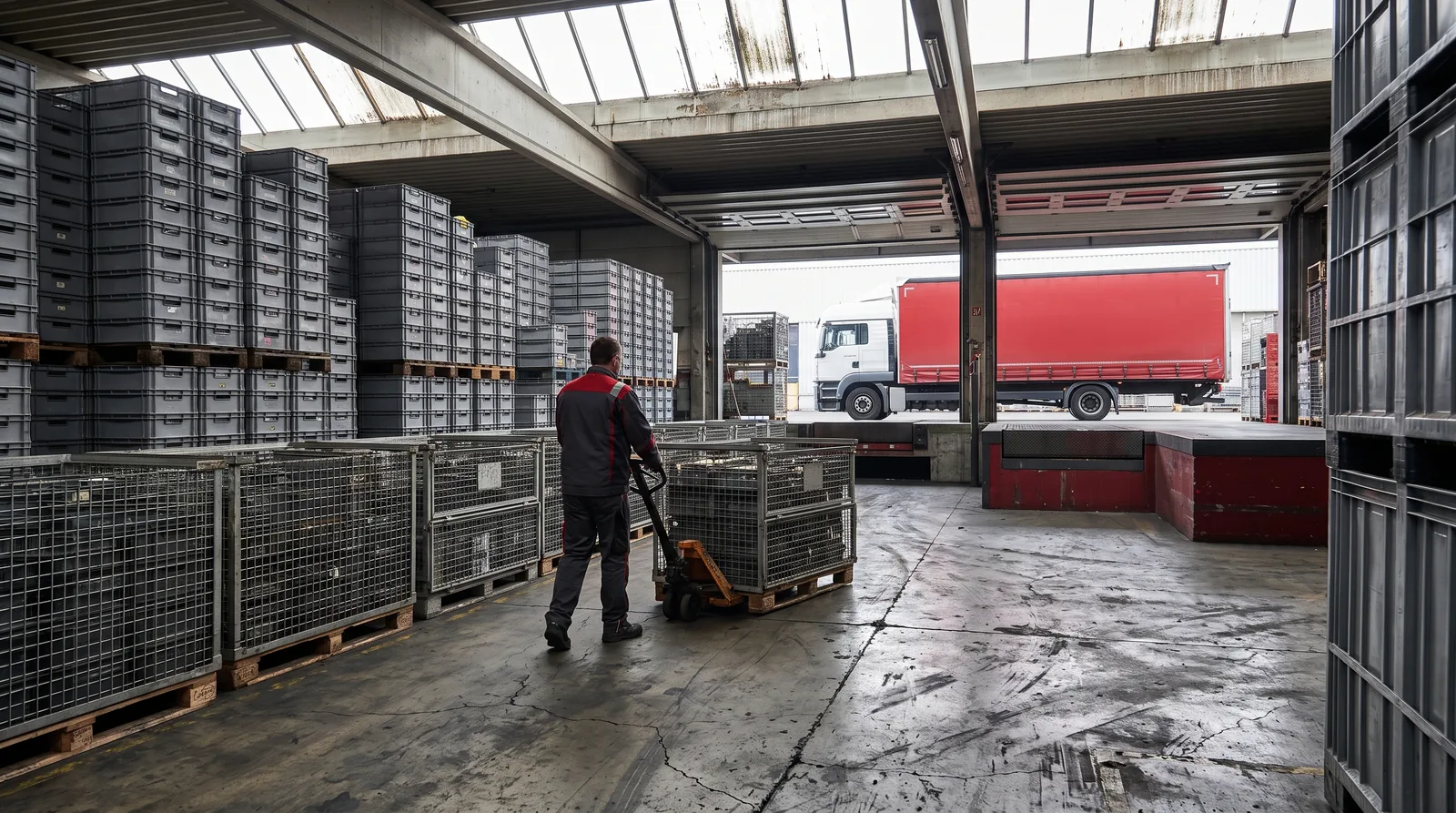
The Gitterbox is a steel box pallet with mesh walls, an exchangeable carrier with a long-established place in the European pallet loop. It is stackable and durable, but in circulation the technical condition decides: bent walls, cracked hinges or a corroded base exclude the carrier from exchange, and the argument over who damaged it always starts with what was written in the documents.
The loop: full one way, empty the other
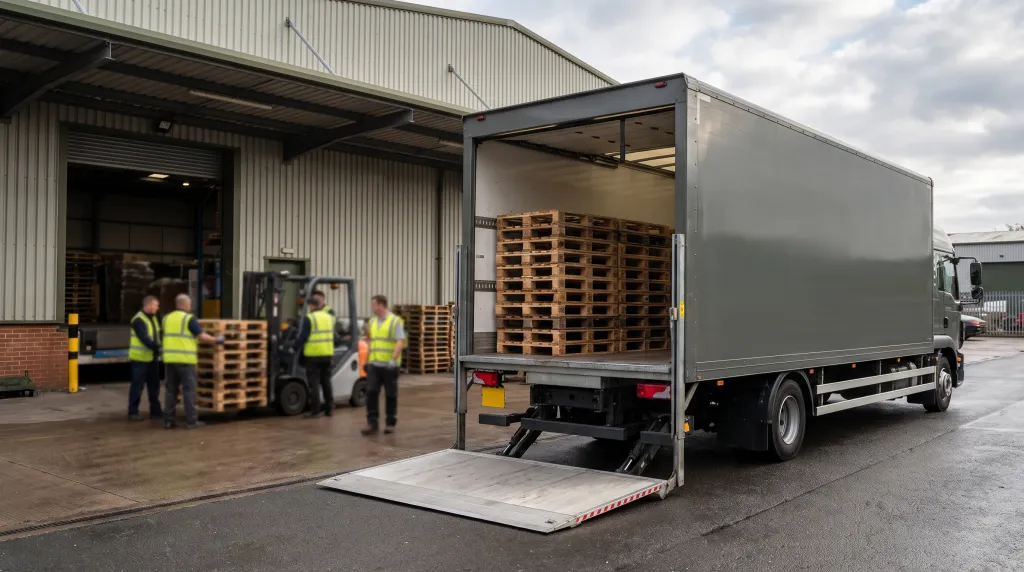
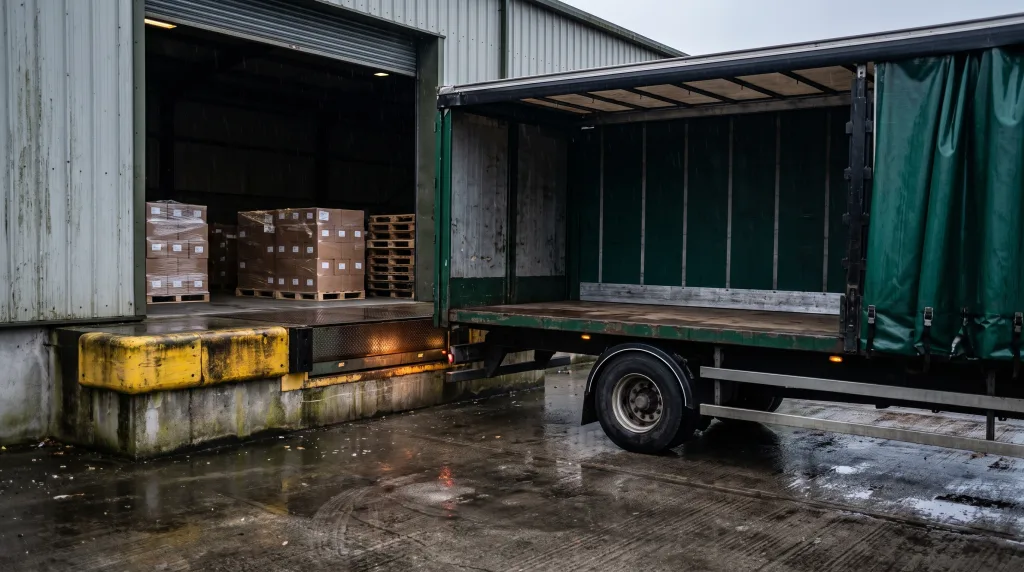
The standard rhythm: the truck carries full carriers to the plant and returns with empties to the supplier, in loops repeated to the delivery schedule. The exchange happens at unloading one for one, or the parties keep a balance on a packaging account and reconcile it periodically. Who owns the carriers and how the balance is counted is set by the supply contract, not by habit.
Settlement and documents
- Carrier counts and types entered on the delivery documents on every run.
- An exchange receipt signed at the ramp when empties are issued on the spot.
- A note in the documents when the plant issues no empties, so the balance does not drift quietly.
- Periodic reconciliation of packaging accounts between the parties.
Missing returns end in charges for carriers not handed back, and a balance dispute can drag on for months. A signed document from the ramp is worth more than the driver's memory.
When empties suddenly run out
A shortage of containers stops a dispatch as effectively as a shortage of parts: the goods exist, but there is nothing to pack them into. In such cases an express van runs for empty KLT or Gitterboxes, so the dispatch window is not lost over packaging.
The forwarder's role
We plan the packaging loop together with the deliveries: the truck returning from the plant takes the empties, and the documents reflect every movement of carriers. It is a standing part of the work described under automotive logistics.
What should you do when the packaging balance on the account does not match?
Reconciling packaging balances requires continuous monitoring of warehouse paperwork and consignment notes. If a driver delivers 66 units of Gitterbox containers to a plant (where an empty cage weighs 85 kg), the exchange must be confirmed with a signature on the pallet note. You must state the exact count and technical condition of the carriers. You have a maximum of 48 hours from unloading to submit a discrepancy report to the packaging management department. After this period, the account balance is locked, and shortages are charged to the carrier or supplier.
In cross-border transport between the EU and the UK, inventory discrepancies directly affect customs clearance for reusable packaging under returned goods procedures. If carrier loss exceeds the permitted allowance limit of 2% annually, customs authorities treat missing containers as goods remaining in a third country. This requires a formal amendment to export and import declarations, alongside payment of duty and import VAT.
This verification process does not apply to closed-loop point-to-point transport where the same vehicle collects empty packaging within 3 hours of entering the site. In such setups, reconciliation takes place immediately at the gate based on entry and exit records.
Step by step
- Shipment preparation. Pack parts into clean KLT containers or Gitterboxes and apply identification labels.
- Issuing containers. The driver collects the freight, inspects container condition, and signs for the quantities.
- Plant delivery. The vehicle delivers full packaging units to the destination plant within the allocated time slot.
- Collecting empties. Take empty containers back on a one-for-one exchange or record them on transport documentation.
- Reconciling balances. Register the return in the tracking system and check packaging account balances to prevent shortage charges.
Definitions
- KLT (Kleinladungsträger): Standardised plastic small load carriers used in the automotive industry for small components.
- Gitterbox: A standardised steel mesh box pallet designed for transporting heavier automotive parts.
- VDA (Verband der Automobilindustrie): German Association of the Automotive Industry that defines technical and dimensional packaging standards.
- Packaging account: A ledger tracking the balance of issued and returned containers between supplier, recipient, and carrier.
The OTSL role
OTSL supports the movement of returnable packaging in the automotive sector by keeping strict track of container balances. By combining road transport (FTL) with scheduled empty container returns, we assist with logistics aligned with automotive transport and delivery to unloading slots.