 AI image
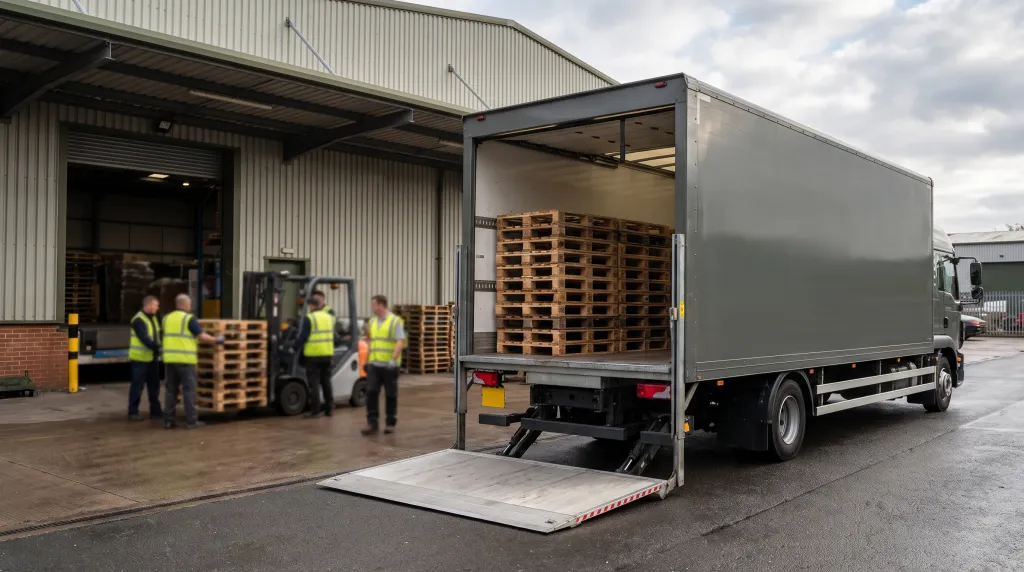
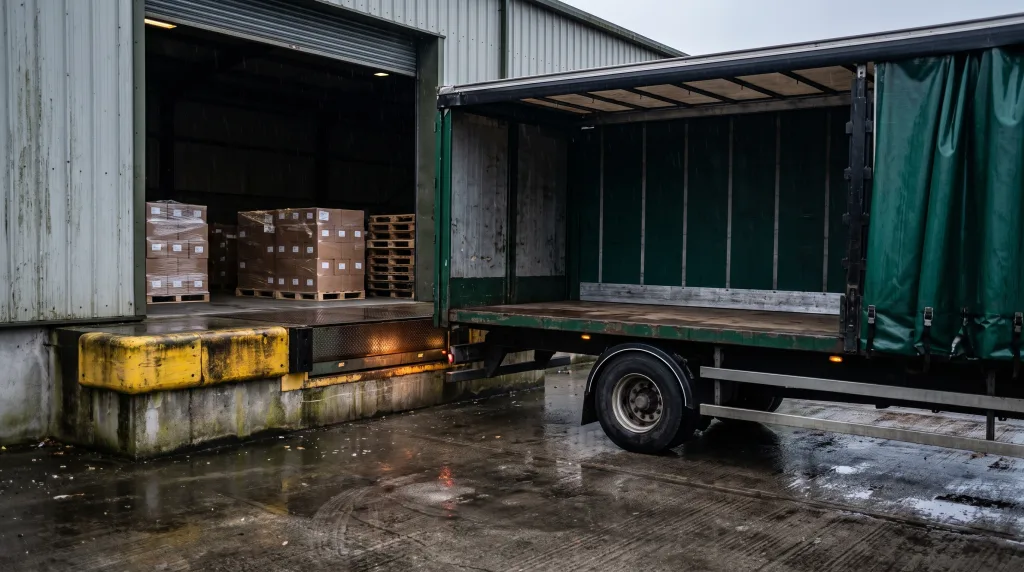
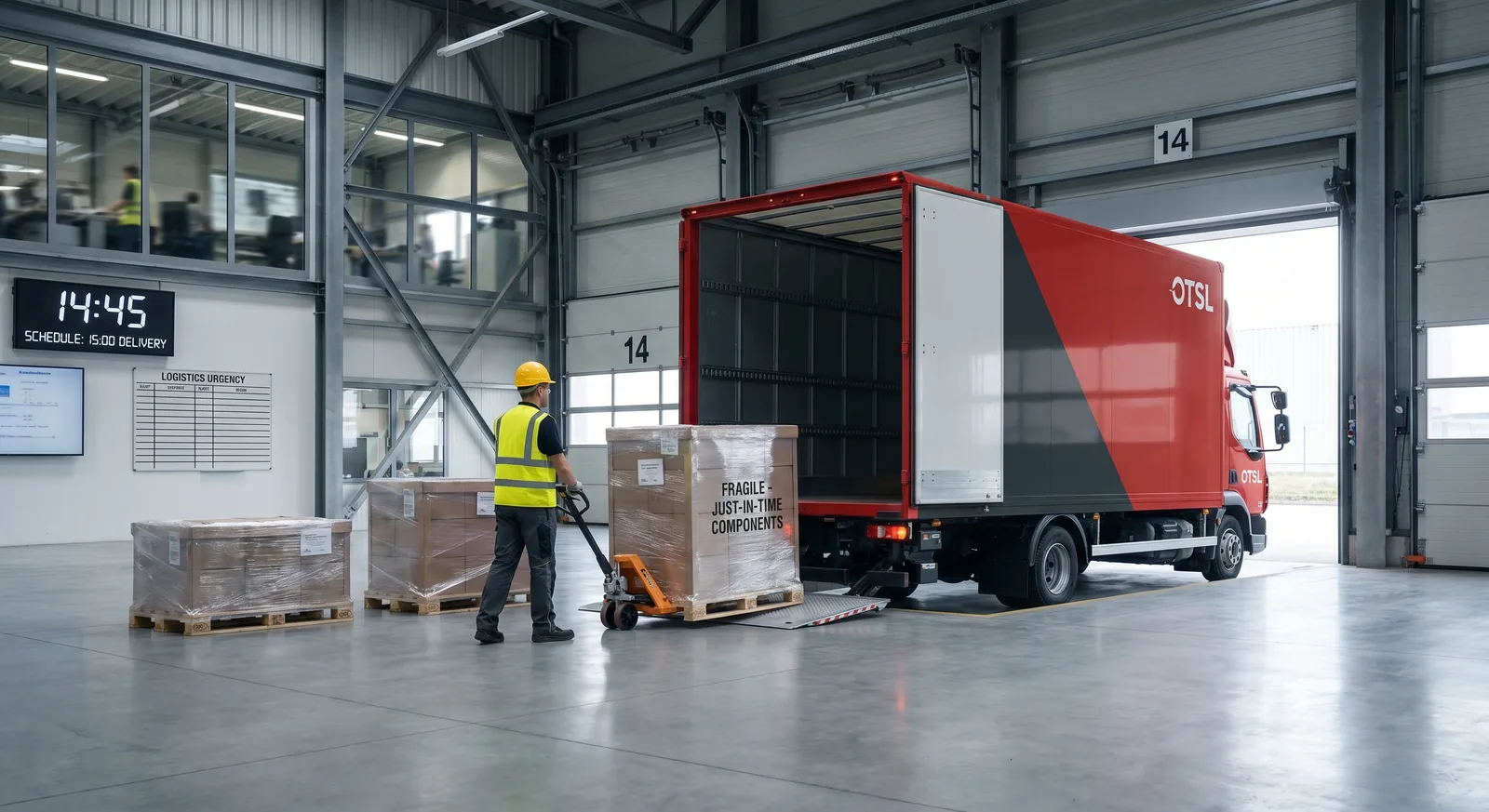
In automotive, the unloading window matters more than the distance. We bring a few pallets of parts exactly to the booked slot, so the production line does not wait. We plan the route around the hour, track the vehicle and keep a fallback ready if something on the road goes wrong.
How do we work for production?
- Delivery to a specific unloading slot, to the hour.
- Dedicated transport for a few pallets, with no handling on the way.
- Vehicle tracking and constant contact with the plant scheduler.
- A fallback plan: a second vehicle or driver when a line stoppage is at stake.
Delivery to a slot, step by step
- We collect the data: pallet or container count, weight, destination plant, order number and the required time window.
- We book the delivery with the receiver. Booking deadlines and procedures differ from plant to plant, so we confirm the exact requirements at order stage, based on the receiver guidelines.
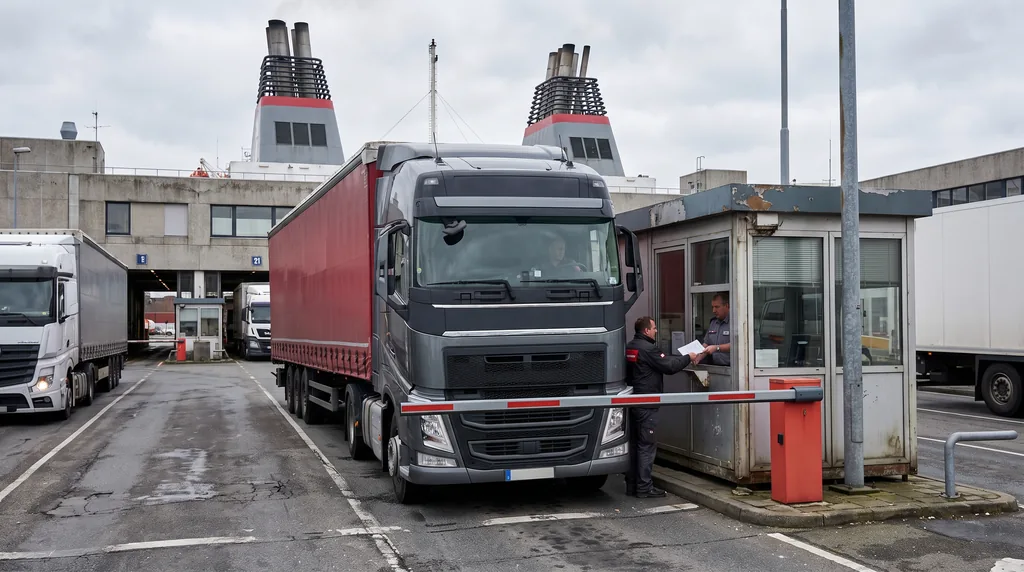
- We plan the route backwards from the slot, with a buffer for borders and traffic, within the driving-time limits of Regulation (EC) No 561/2006.
- We track the vehicle and report statuses; if the plan slips, the plant scheduler hears about it from us, not from an empty ramp.
- We trigger plan B before a delay becomes a fact: a second driver, a replacement vehicle or goods released from a warehouse buffer.
- We confirm unloading and the full document set, including confirmations on the CMR consignment note.
What plants usually require at booking
- A booking or order number and the assigned time window.
- Driver and vehicle details submitted in advance.
- Delivery documents: the CMR consignment note, a packing list, labels that match the receiver requirements.
- Returnable packaging settled at the ramp, most often KLT boxes and mesh pallets; the exchange rules are covered in our guide to returnable packaging in automotive.
This list is generic: every plant has its own delivery rulebook. Do not guess, check the receiver guidelines or send them to us, and we will confirm the requirements at order stage. More on delivery windows in bookings and slots at automotive plants.
What do you lose when the truck is late?
A line stoppage costs many times more than the transport, and carrier compensation will not cover it: under Article 23(5) of the CMR Convention, compensation for delay is capped at the amount of the carriage charge, unless a special interest in delivery was declared in the CMR note (Article 26). That is why prevention wins in automotive: a time buffer, tracking and a plan B, not claims after the fact. We put numbers on a stopped line in what a production line stoppage costs.
The OTSL role
OTSL runs deliveries to automotive plants across Europe and the UK as an international road freight forwarder: a dedicated vehicle for a few pallets, booking with the receiver, tracking and a fallback plan. When parts need to be buffered and released to the slot only at the right hour, we lean on our cross-dock warehouse in Kielce. The scope is described in the automotive logistics service. Write through the contact form with the plant, the window and the pallet count, and you will get a specific delivery plan.
Definitions
- Unloading slot: A specific time window assigned by the receiving plant to accept cargo at the ramp.
- Delivery booking: The advance registration of a vehicle in the receiver system to secure an arrival window.
- Production line: The continuous assembly process in a factory that requires timely component deliveries.
- Fallback plan: A backup arrangement involving a reserve vehicle or driver to prevent manufacturing downtime.