 AI image
A simplified procedure lets you release goods before you file the full data set. The Union Customs Code provides three main forms: the simplified declaration (Article 166), entry in the declarant's records, or EIDR (Article 182), and centralised clearance (Article 179). Each needs an authorisation from the customs authority and a supplementary declaration within a set deadline. Confirm the exact conditions with your customs office.
Three forms of simplification under the UCC
The Union Customs Code has no single simplified procedure. It is a family of arrangements that differ in where and how you record the declaration and how much data you provide up front. The descriptions below are general, because the procedural detail and the list of required documents depend on the type of goods, the procedure and the authority's decision. Always confirm them with the customs office competent for the authorisation.
- Simplified declaration (Article 166 UCC). You lodge a declaration omitting certain data or documents normally required. The missing elements are completed later by a supplementary declaration. The simplification may be used occasionally or regularly, and regular use requires an authorisation.
- Entry in the declarant's records, EIDR (Article 182 UCC). The customs declaration is replaced by entering the data into the declarant's own records at the moment set by the authorisation. Goods may be released without physical presentation to customs where the authority allows it. This is the furthest-reaching simplification and, at the same time, the heaviest record-keeping burden on your side.
- Centralised clearance (Article 179 UCC). You lodge the declaration at the office competent for your place of establishment while the goods are physically located at another office, including in another member state. This concentrates customs clearance in one place across scattered points of entry or exit.
Authorisation and conditions: what the authority's trust rests on
A simplification is a line of trust. The customs authority agrees to release goods faster because it assumes you will account for them properly and on time. That is why every regular simplified procedure needs an authorisation, and the authorisation carries conditions. The UCC describes them broadly through the reliability of the applicant: no serious or repeated breaches of customs and tax rules, proper record-keeping and the ability to control operations. The specific set of criteria and documents is set by the authority, so before you apply, check the current requirements with your customs office.
Authorised economic operator status helps but does not replace them. A company with a customs AEO authorisation already meets criteria close to those required for simplifications, which makes the application quicker and easier to process. It does not, however, grant a simplification automatically. We cover the status and its benefits in the article on AEO status. Choosing the procedure, preparing the records and the application route are typical ground for customs advisory work.
How a simplified procedure speeds up clearance
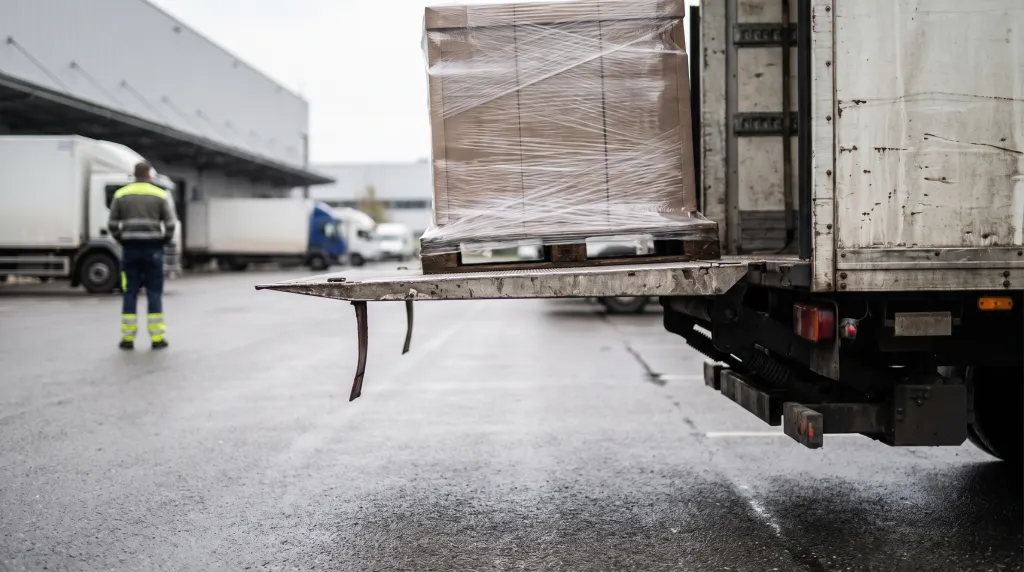
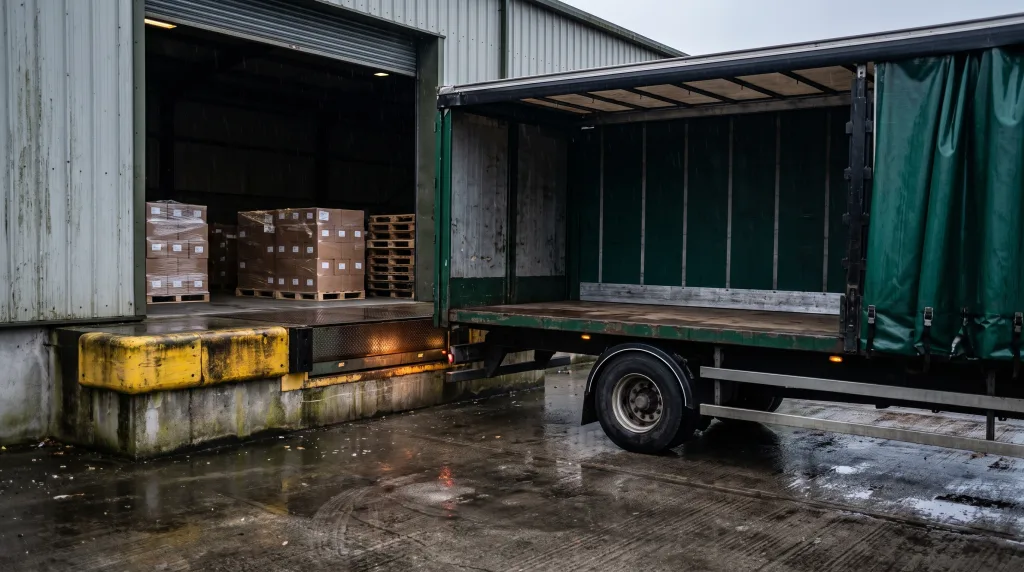
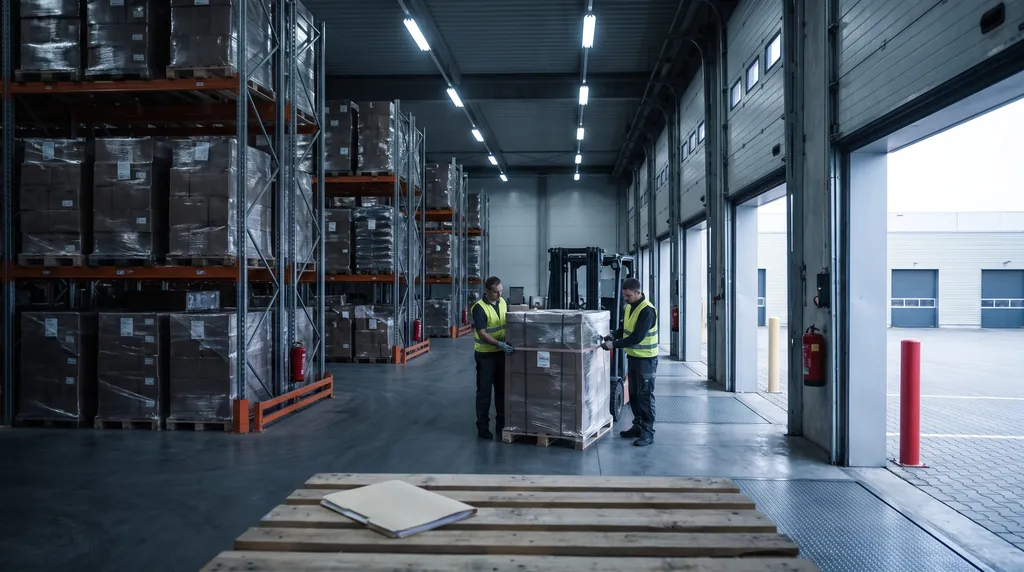
The stake is simple: time at the border and at the warehouse is money. A truck waiting for a full document set blocks an unloading slot, runs up demurrage and pushes the whole delivery queue. A simplified procedure separates two moments that standard clearance welds into one: the physical release of the goods and the full accounting of the data.
- Goods move earlier. Release needs a smaller data set than a standard declaration, or just the entry in the records. The load enters free circulation or the next transport leg before you close the paperwork.
- Supplementary declaration later. You file the full data within the deadline set in the authorisation, usually in aggregate for a given period. This makes repeated imports predictable and spreads the customs team's work more evenly instead of piling it up at every consignment.
- Fewer standstills. A shorter handling time on entry reduces the risk of losing a transhipment window or a ferry. That is a real saving for firms that clear regularly and count the cost of every hour of standstill.
Who it suits, and who it does not
A simplified procedure pays off mainly for the regular importer and exporter with a repeated, predictable flow of goods and orderly records. The more clearances per month, the faster the effort put into the authorisation and system changes pays back. For a company that clears occasionally, the cost of setting up and maintaining the procedure often exceeds the gain from the speed-up. The table below compares the two.
| Criterion | Standard clearance | Simplified procedure |
|---|---|---|
| When you provide full data | at the moment of the declaration | in the supplementary declaration, within the authorisation deadline |
| Authorisation | not required | required for regular use |
| Record-keeping burden | standard | raised, especially with EIDR |
| When it pays off | occasional clearances | repeated, high volume |
Risks: simplified does not mean fewer duties
The simplification concerns the moment of clearance, not the scope of responsibility. You move the full data set later in time, but you still answer for its accuracy. The main risks are the record-keeping duties: you must keep records that match the conditions of the authorisation, meet the supplementary declaration deadlines and be ready for controls after the goods are released. Errors in the data or gaps in the documents surface later, and then they touch a whole series of consignments, not one. We show how such situations are sorted out in the piece on customs clearance with incomplete documents. Declarations in the United Kingdom go through a different system from the EU one, which we describe in the article on the CDS system. Before you choose a form of simplification, confirm the authorisation conditions and the scope of your duties with your customs authority, because the detail differs between countries and procedures.
The OTSL role
As an international freight forwarder we combine road transport with customs clearance, so we look at simplifications from the angle of the whole chain, not a single declaration. We help assess whether a simplified procedure makes sense at your volume, organise the flow of data and documents and synchronise clearance with the warehouse and transport. We run traffic between Poland, the United Kingdom, Switzerland and the rest of Europe, with warehouses in Kielce, Legnica and Milton Keynes. More scenarios sit in our knowledge base, and you can discuss a specific case through the contact form. We always confirm applications and authorisation conditions with the competent customs authority.
Who benefits most from using simplified procedures?
Simplified procedures mainly benefit regular importers and exporters who clear goods repeatedly, as they allow faster release of shipments while maintaining official customs control.
Step by step
- Obtain authorization. Apply to your local customs authority for permission to use the chosen simplified method.
- Prepare shipment details. Verify commercial invoices and transport documents prior to lodging the simplified entry.
- Submit simplified entry. Register the goods in your records or send a reduced data set to customs.
- Release the cargo. Move the goods onwards once the customs authority grants immediate release.
- File supplementary declaration. Provide the full customs entry and remaining documentation within the agreed deadline.
Definitions
- Simplified procedure: A method of placing goods under customs control without submitting all data or documents immediately.
- UCC (Union Customs Code): The legal framework governing rules and standards for customs across the European Union.
- Simplified declaration: A form of clearance allowing the release of goods based on an abbreviated set of information.
- EIDR (Entry in the Declarant's Records): An authorization allowing a trader to declare goods by entering them directly into their own system.
- Supplementary declaration: A subsequent filing containing the full data set submitted after the initial release of goods.
When does this rule not apply?
This procedure does not apply if you do not hold a valid authorization from the customs authority or if the goods are subject to special border prohibitions and restrictions.