 AI image
A transit guarantee covers the potential customs debt while goods move under a transit procedure and duties stay suspended. The office of departure opens the transit; the office of destination must discharge it on time, with seals and data matching. If transit is not discharged, the amounts are recovered from the guarantee, and the holder of the procedure is liable.
Why transit needs a guarantee
When goods from outside the customs territory travel across it under customs supervision, duty and taxes are not yet collected. They are suspended until the goods reach their destination and are placed under a further procedure. For the administration this is a period of risk: for several days a load on which money is owed is on the move. The guarantee is the answer to that risk. It ensures that if the goods disappear from supervision or the transit is not properly ended, the budget still recovers what is due by drawing on the security. Without a valid guarantee the office of departure will not place the goods under transit.
How transit is discharged
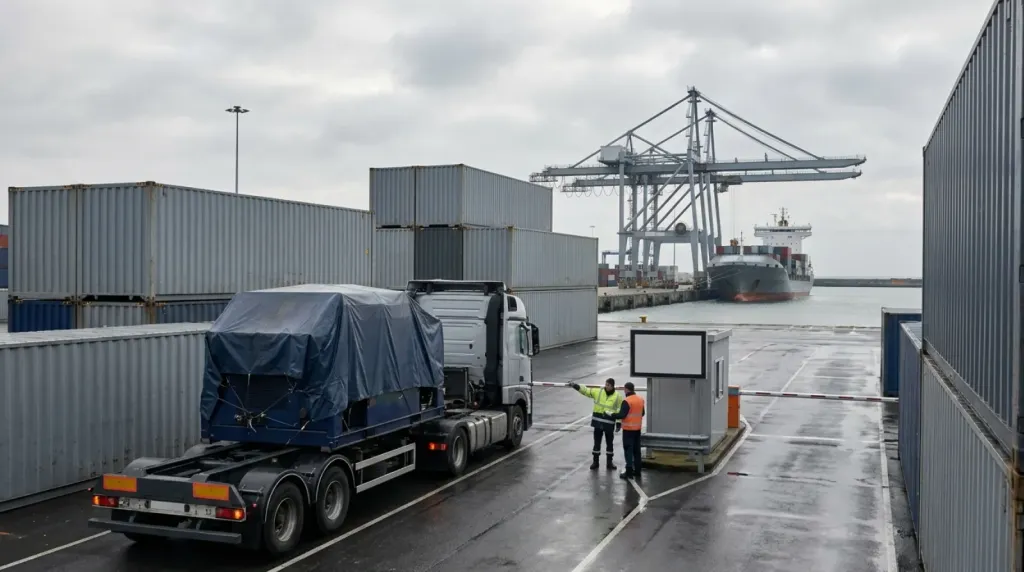
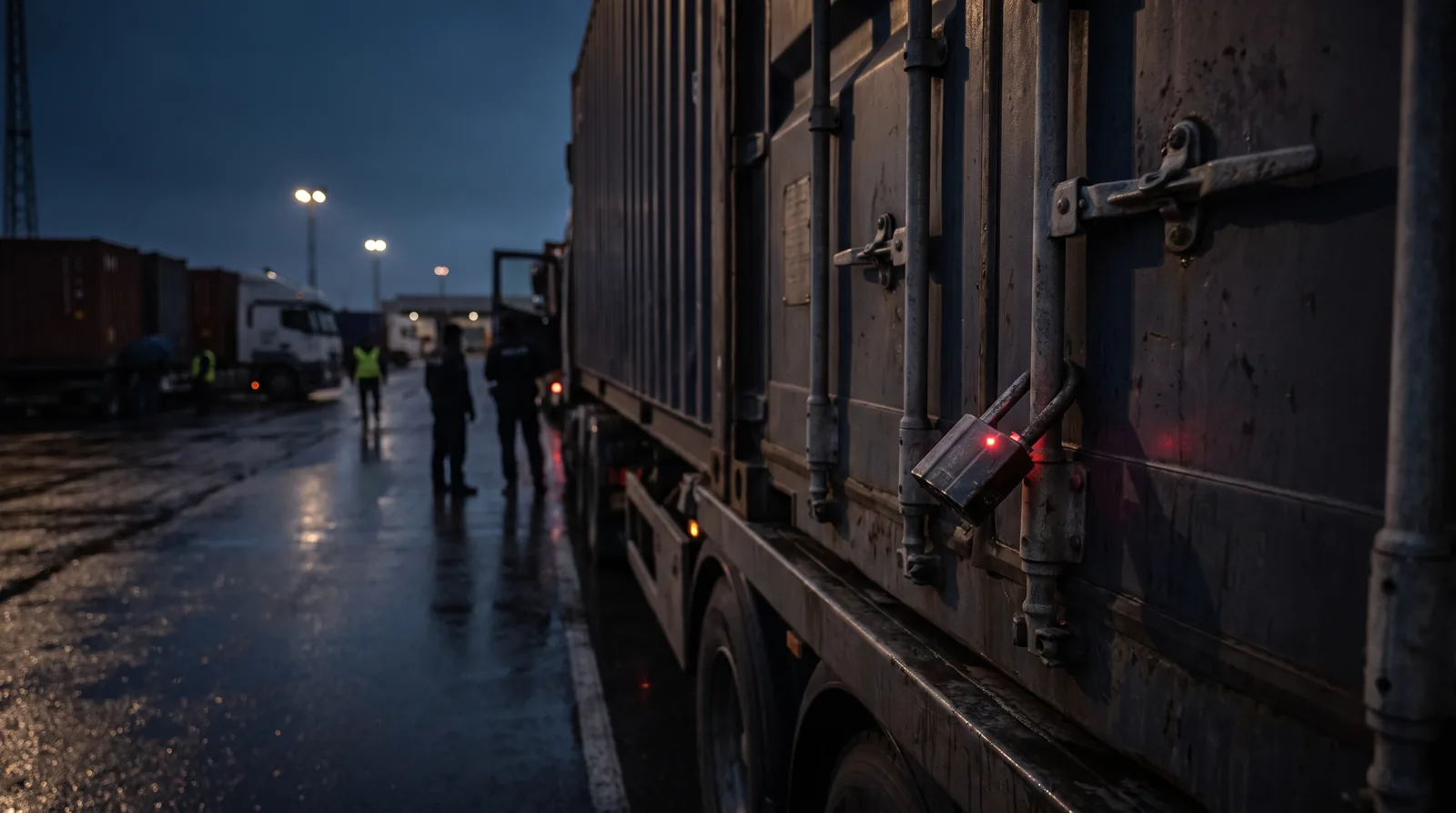
Transit has two points: the office of departure that opens it and the office of destination that discharges it. At opening the movement receives a reference number, the MRN, a time limit for presentation is set, and seals are affixed. Discharge happens when the goods are presented at the office of destination and that office confirms everything matches: seals intact, data consistent with the declaration, time limit met. Only that confirmation releases the guarantee from liability. The truck simply arriving is not enough; what counts is the formal end of the procedure in the customs system.
What happens if transit is not discharged
If the office of departure receives no confirmation of discharge, the procedure is not treated as ended. There are several possible reasons: the goods were not presented at the office of destination, the time limit for presentation passed, the seals are broken, or the data does not match the declaration. An enquiry procedure then starts, and if correct discharge of the transit cannot be shown, a customs debt is deemed to have arisen. The duty and taxes suspended earlier become payable and are recovered from the security. The burden falls on the holder of the procedure, the party that opened the transit. That party is responsible for the goods arriving and the procedure being discharged, even if someone else physically carried them.
How does OTSL keep it under control?
We treat discharge of transit as part of the job, not a box to check after the fact. We make sure the declaration data matches the load and the documents, we watch the presentation deadline, and we make sure the goods reach the right office of destination with seals intact. We act before the time limit expires, because that is the most common path to an undischarged transit. When something goes wrong, for example a missing confirmation, we act at once to resolve it and prevent recovery from the guarantee. We treat the client goods and their accounts as our own.
See customs clearance, border procedures and contact. Definitions of the terms are in the glossary.
Step by step
- Calculating the guarantee amount. You determine the potential customs debt based on the cargo classification.
- Lodging the guarantee. You present an accepted financial security to the customs office of departure.
- Opening the transit. The departure office registers the declaration in the system and affixes customs seals.
- Transporting the cargo. You move the shipment to the destination office without breaking the seals.
- Discharging the procedure. The destination office confirms receipt of the goods, allowing the guarantee to be released.
Definitions
- Transit guarantee: Financial security lodged with customs authorities to cover potential duties and taxes during a transit procedure.
- T1 procedure: External transit procedure used for non-Union goods moving under customs supervision.
- Holder of the procedure: The party responsible for presenting the goods intact at the office of destination and closing the movement.
- Office of destination: The designated customs office where the transit movement ends and seals are checked.
- NCTS (New Computerised Transit System): The European electronic network used to manage and monitor transit declarations.
When does this rule not apply?
This rule does not apply to goods transported under simplified rail or postal procedures, unless customs authorities specifically demand a dedicated financial security for high-risk goods.
The OTSL role
When organising cross-border freight using road transport, OTSL assists with managing necessary transit movements. Read about jak działa spedycja od A do Z to see how professional coordination ensures compliant operations between the UK, Switzerland, and the EU.
Sources
European Commission (ec.europa.eu), customs transit and guarantees.