 AI image
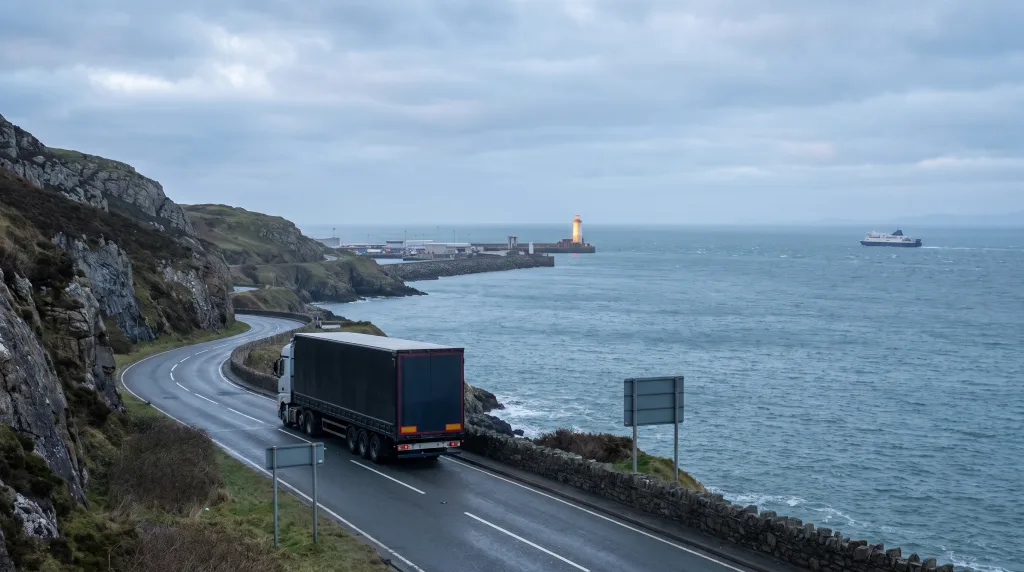
Transport to Cyprus and Malta combines a road leg with a sea leg. A trailer or container travels from Poland to a Mediterranean port and sails from there by ro-ro vessel to the island: to Malta usually from Italian ports, to Cyprus most often from Greek ones. Both countries are in the EU, so Union goods need no customs clearance, but sailings run on schedules and lead times are longer than on land routes.
Why shipping to an island is a different game
On a land route a delayed truck catches up overnight. On a route with a sea leg a delayed truck watches the ship leave, and the next departure may be days away. That is why for transport to Cyprus and to Malta planning starts from the sailing schedule, and only then is the road leg built around it. It is the reverse of normal forwarding logic and a frequent cause of failures among carriers who do not serve the islands daily.
The route in practice
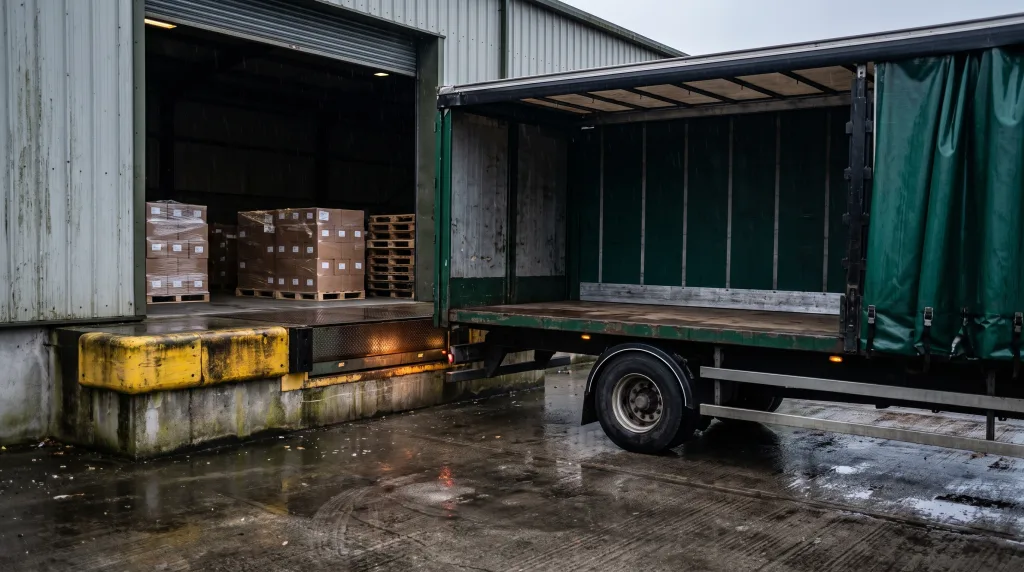
- Road leg: from the warehouse in Poland to the loading port on the Mediterranean; for Malta the natural hinterland is the ports of Italy, for Cyprus the ports of Greece.
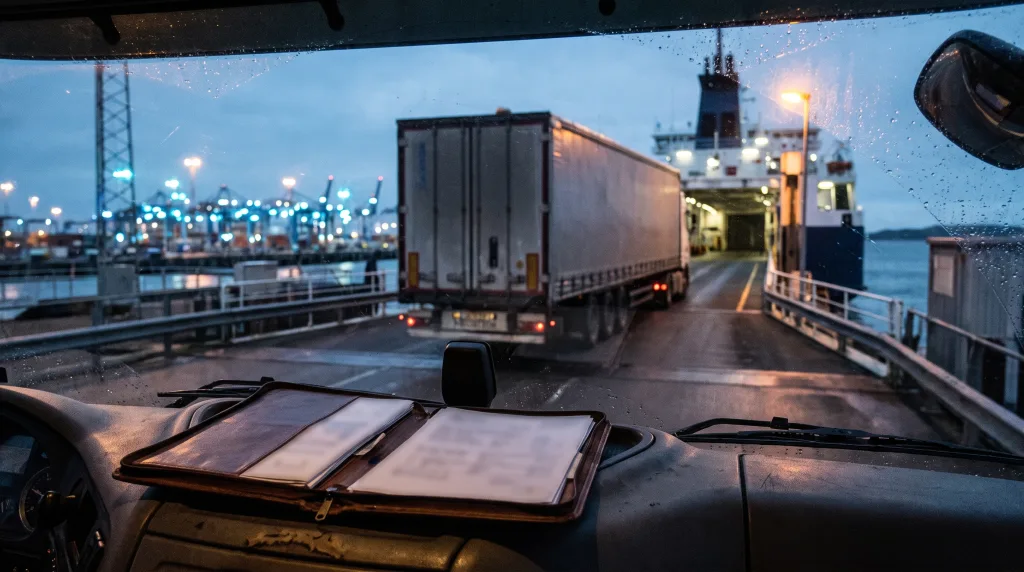
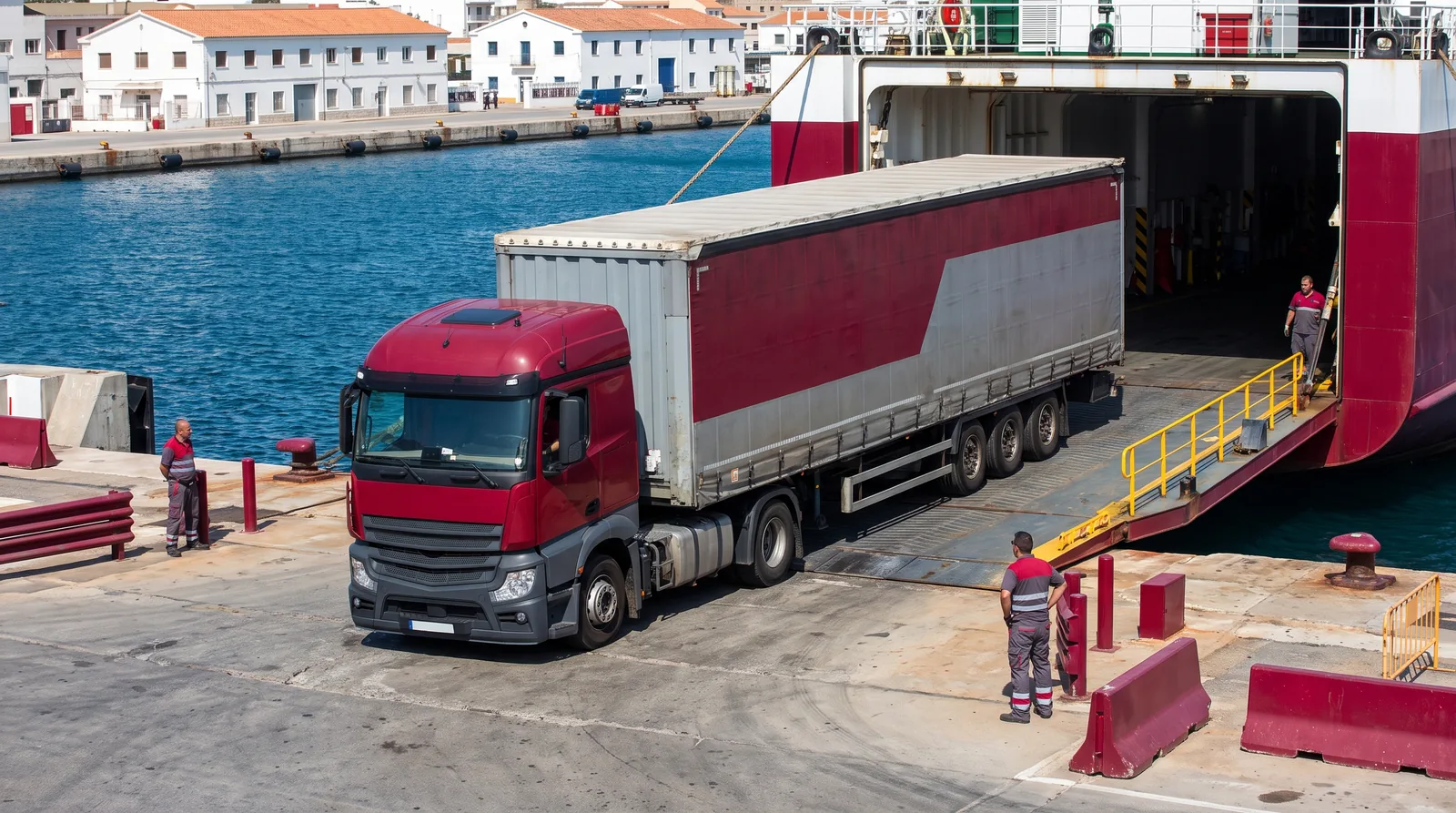
- Sea leg: the trailer rolls onto a ro-ro vessel, or the goods sail in a container. The driver and tractor usually do not sail; on the island local traction collects the load.
- Final leg: delivery from the island port to the receiver and booking-in of the unloading.
What does is at stake and what the forwarder do?
Every handover between legs is a seam where something can slip: the sailing reservation, sea documents, trailer handover, port collection. Shipping through three separate contractors, the cargo owner becomes the integrator and carries the risk at every seam alone. The forwarder is there to glue the legs into one service: we reserve the crossing through our ferry booking desk, run the road legs with our road transport, and keep documents and dates aligned with the sailing schedule.
Lead time: count in days, not hours
The real delivery time to an island is the sum of the road leg, the wait for the departure and the voyage itself. So shipments to Cyprus and Malta are planned ahead, and date-critical goods are booked onto a specific sailing. The good news: planned properly, this direction is fully predictable, because sailing schedules are known in advance.
See also
- Transport to Cyprus: destination page
- Transport to the Balkans: the road to Greek ports
- What a freight ferry booking includes
How should you plan weight limits and port delivery times to avoid demurrage?
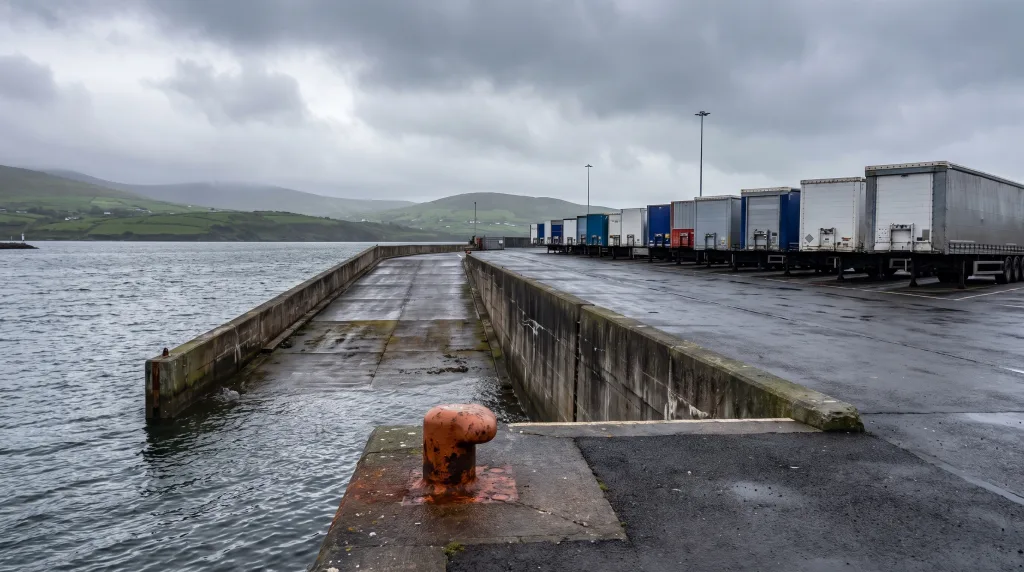
Port operations require strict compliance with cutoff times. Your trailer must arrive at the sea terminal at least 6 hours before the scheduled ro-ro ferry departure. If you miss this window even by a few minutes, your booking is cancelled, and the next available vessel space may only be open in 3 days. During this waiting period, you will incur tractor unit standing costs at the port yard.
Cargo weight is subject to strict maritime limitations. Although a standard trailer holds 33 pallets, the maximum payload limit for standard ro-ro ferry transport is 24000 kg. Exceeding this weight limit by more than 5% results in the carrier refusing embarkation or levying heavy overweight surcharges. Once the ferry arrives at the island port, you have exactly 48 hours of free time to collect the trailer from the quay before quay rent applies.
These specific time and weight constraints do not apply to FCL (Full Container Load) sea freight carried on feeder vessels. For containerised cargo, maximum payload depends on the container specification (e.g. 28000 kg for a 40 ft High Cube container), and free demurrage time at the port typically ranges from 7 to 14 days based on carrier terms.
Step by step
- Sailing schedule check. You review the departure dates from the Mediterranean port to align loading times accordingly.
- Road transport dispatch. You arrange haulage from the origin point to the port with a sufficient buffer for potential delays.
- Ferry booking. You secure space on the ro-ro vessel matching your haulage schedule.
- Sea crossing. The vessel transports the trailer or container across the sea to the destination island.
- Final delivery. The cargo is collected from the island port and delivered to the recipient address.
Definitions
- Sea freight: The service of transporting cargo by sea on a commercial vessel between ports.
- Ro-ro vessels (Roll-on/Roll-off): Ships designed to carry wheeled cargo, such as trucks or trailers, that are driven on and off the vessel.
- Road leg: The section of transport carried out on land by lorry to or from a shipping port.
- Union goods: Cargo produced or cleared for free circulation within the European Union, requiring no customs clearance between member states.
The OTSL role
OTSL coordinates island logistics by matching road haulage strictly with sailing timetables. Discover our ferry booking service and read about load optimization in our article express vans and time-critical transport in Europe | OTSL.