 AI image
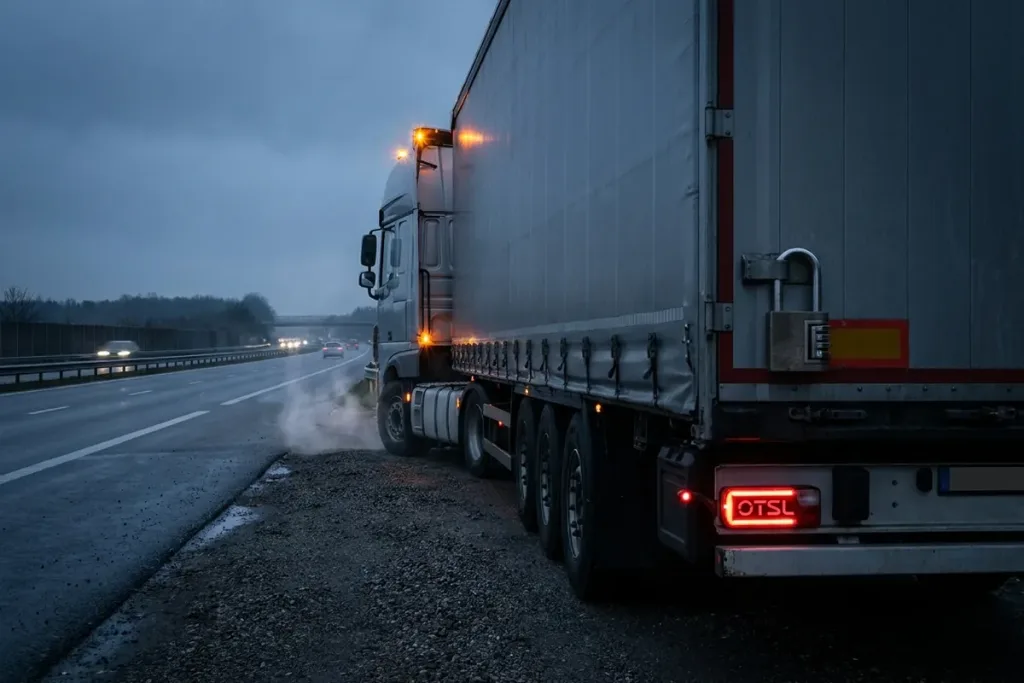
In a roadside check the fine for an overloaded axle goes, as a rule, to the driver and the carrier, because they answer for the condition of the vehicle put into traffic. Liability shifts to the loader, however, when it was the loader who sealed the trailer or dictated how the goods were stacked. Beyond the fine, the stakes include a ban on further driving, reloading and a broken delivery deadline, and the dispute over costs is settled by the wording of the transport order.
Axle load is not the same as gross weight
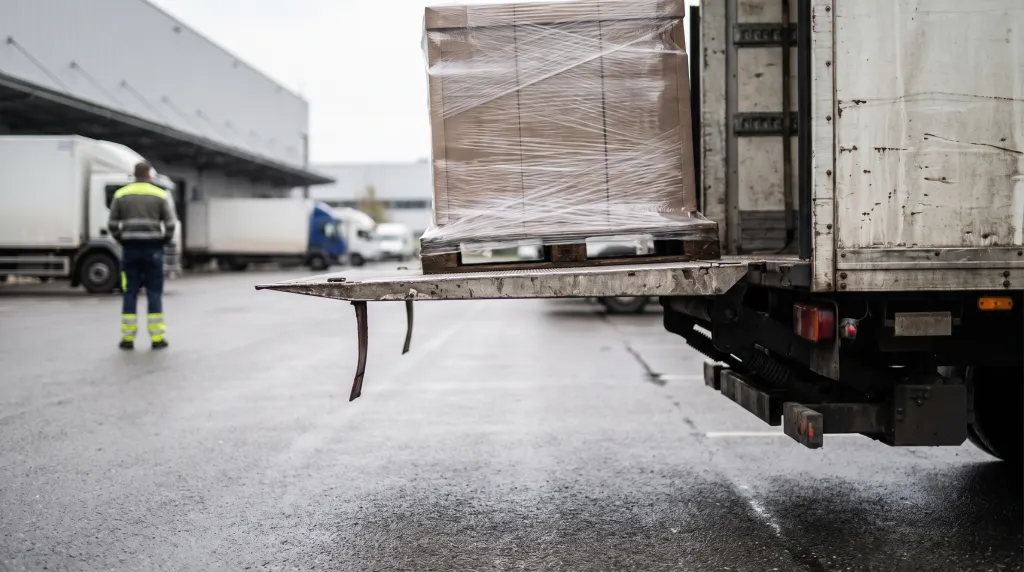
You can stay within permitted gross vehicle weight and still exceed the load on a single axle. Placement decides, not total weight. A pallet set too close to the trailer wall shifts mass onto the rear axle, an offset centre of gravity overloads the drive axle. Weighbridges and inspectors' portable scales measure axle load, which is why a shipment that is compliant on paper can be non-compliant on the scale.
Who does actually pay?
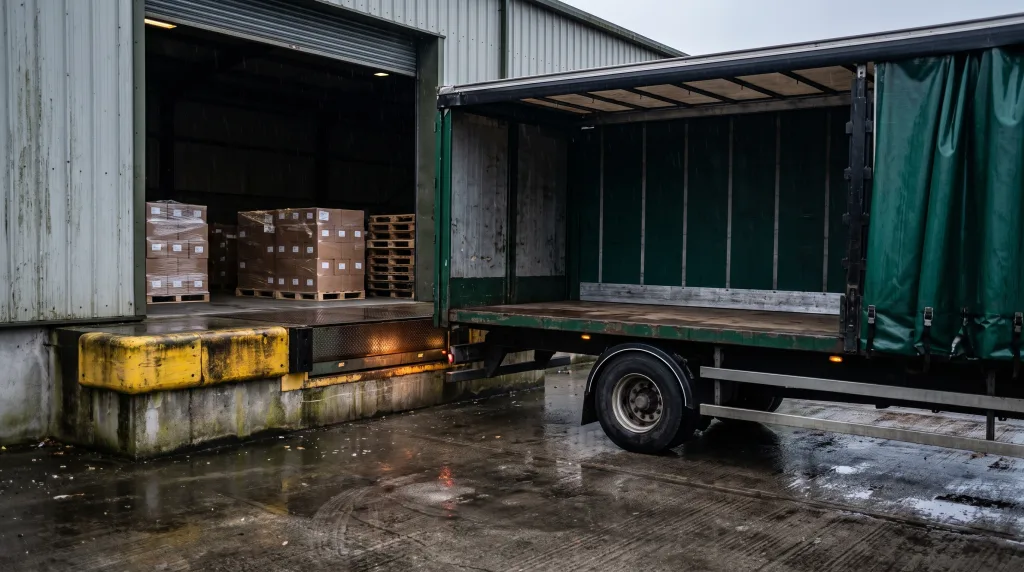
In a roadside check the fine usually goes to the driver and the carrier, because they are responsible for the condition of the vehicle put into traffic. However, if the loader sealed the trailer or dictated the stacking method, responsibility for weight distribution shifts toward them. In practice the dispute over who pays comes down to what the order confirmation says and who physically loaded the goods. The size of the penalty depends on the country and the scale of the excess, so we settle specific figures individually rather than guess them. The practical rules for placing goods before a weighing are collected in our guide on how to distribute a load to pass the weighbridge.
Vehicle detention and a broken deadline
The real cost is not only the fine. With a serious excess an inspector can prohibit further driving until the goods are reloaded or redistributed, which means downtime, extra equipment and a lost delivery window. On import and export to the UK there is the added risk of losing a slot and joining the queue, which we cover in our knowledge base on supply chain risks. One bad load can cost more than the fine itself.
How does OTSL plan axle loads for the cargo?
We plan weight distribution before the goods reach the trailer, rather than explaining ourselves at the weighbridge. We match the vehicle to the shipment's geometry and weight, set the pallet placement and centre of gravity, and for heavy or unusual freight we draw on the team behind out-of-gauge loads. We vet carriers so the person behind the wheel understands axle loads, not just gross weight, and we close the paperwork, including clearances through our customs agency. This way we move the detention risk off the client's deadline and onto the planning stage.
How can you resolve an axle overload directly during a roadside check on the UK route?
When a roadside check shows that the drive axle load exceeds the legal threshold by more than 5%, calling an additional vehicle is not always necessary. In many operational scenarios, rearranging the freight along the 13.6 m trailer bed resolves the weight distribution issue. Shifting 2 pallets weighing 800 kg each by just 1.5 metres towards the rear reduces the fifth-wheel load, allowing the haulage combination to pass the re-weighing without offloading cargo.
Time management at the weighbridge is critical. If manual repositioning takes you longer than 2 hours, the driver risks breaching the standard 9-hour daily driving limit. Consequently, the vehicle will be grounded for a mandatory 11-hour daily rest period, causing missed ferry slots across the English Channel and downstream delays across the supply chain.
This physical adjustment method does not apply when transporting a single non-divisible load exceeding 15000 kg, or when the articulated vehicle operates under a customs transit procedure such as T1 or TIR with an official seal applied. Breaking a customs seal without an officer present invalidates transit documentation and triggers immediate administrative detention.
Step by step
- Verify total weight. Check cargo figures against allowable vehicle capacity before loading begins.
- Plan weight distribution. Position heavier pallets directly over the vehicle axles to balance the load.
- Secure the cargo. Use lashing straps and anti-slip mats to keep goods from shifting during transit.
- Clarify order terms. Specify liability for loading and sealing within the transport agreement.
- Check axle weights. Measure the vehicle on scales prior to departure whenever placement remains uncertain.
Definitions
- GVW (Gross Vehicle Weight): The maximum permissible total mass of the vehicle including cargo and crew.
- Axle load: The weight exerted by the wheels of a specific axle onto the road surface.
- Loader: The entity responsible for physically loading and arranging the goods inside the trailer.
- Carrier: The transport operator responsible for the vehicle put into traffic.
The OTSL role
OTSL assists in planning cargo dispatch to avoid issues with improper axle distribution. Whether booking full load road transport (FTL) or consolidated groupage (LTL), transport operations are structured to remain compliant.