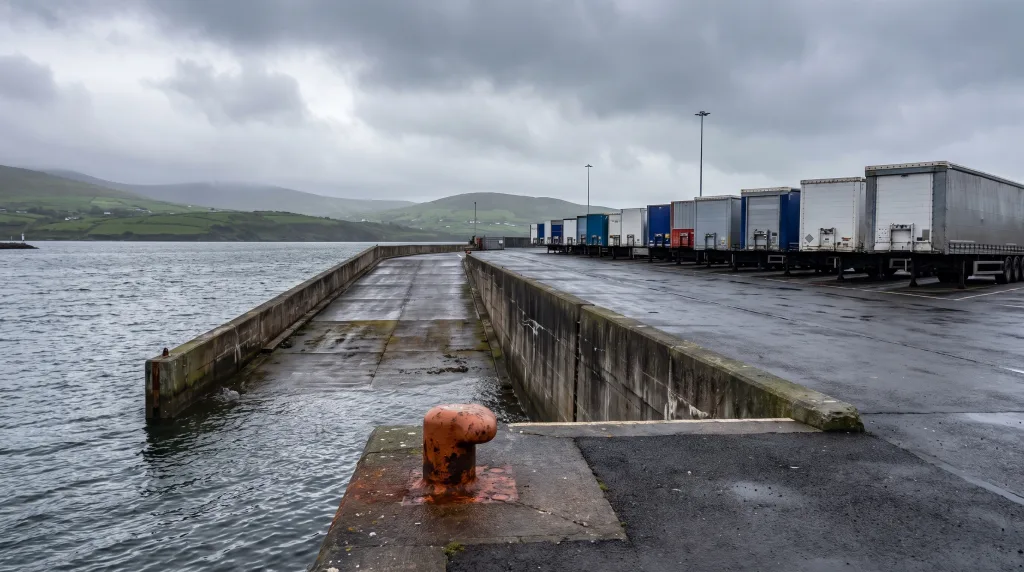
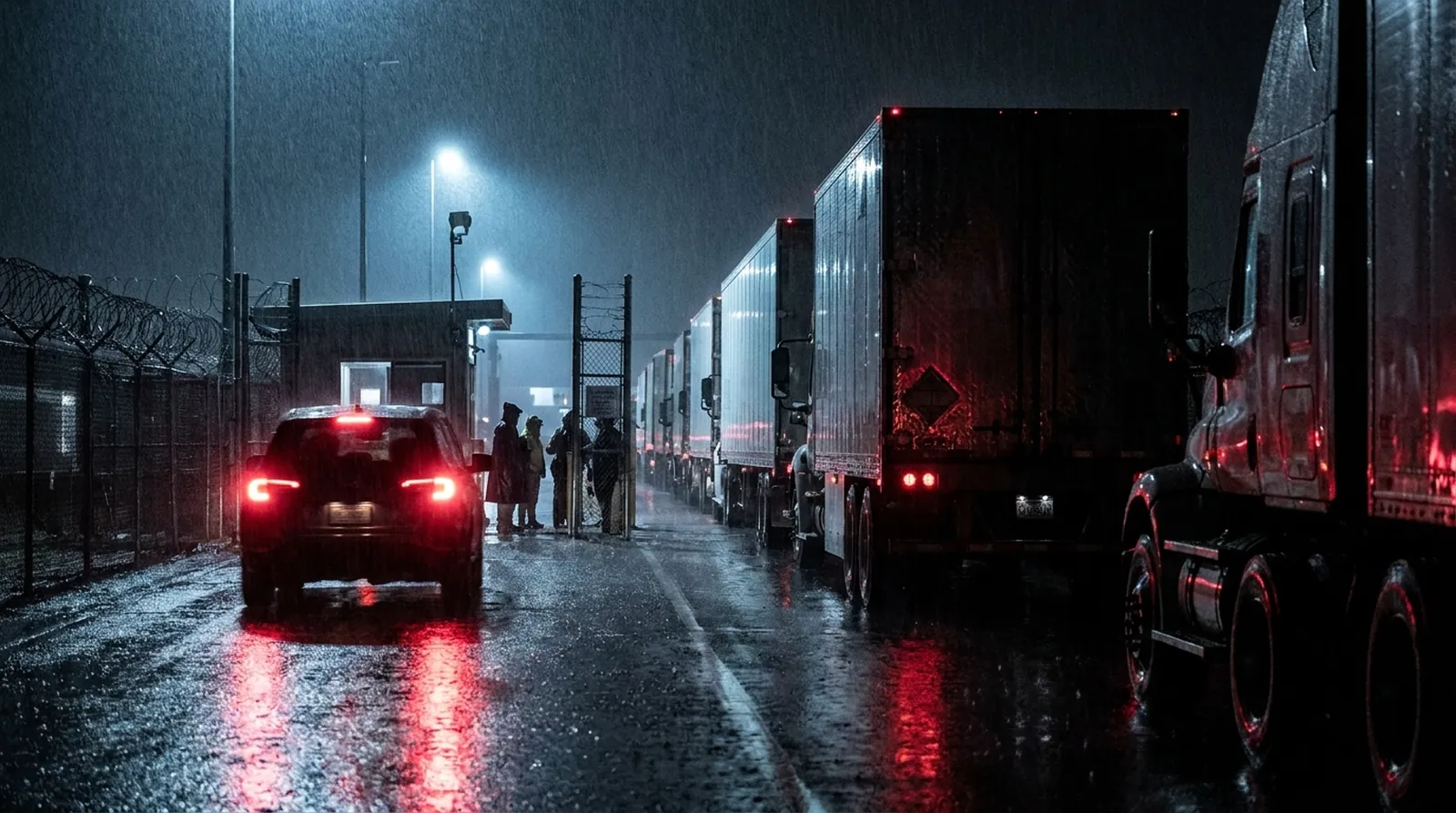
 AI image
Most transport losses do not come from accidents but from processes: a missing document, a late booking, an unrecorded damage, a carrier with an unverified policy. This guide collects the risks rarely mentioned at quotation and links to detailed guides on preventing them. Not to scare you, but so none of them surprises you for the first time on your own cargo.
Documents: the cheapest way to stop a truck
An incomplete invoice, a wrong tariff code or a missing EORI can hold a truck at the border for hours or days, and demurrage costs regardless of who is at fault. How we rescue such cases: clearance with incomplete documentation.
Rejected deliveries: retail chains and Amazon
UK retail chains and FBA centres reject deliveries for things as small as wrong labels, a missed window or torn wrap. Rejection is not the end: the goods must be received somewhere, assessed and returned to sale. We write about it plainly in deliveries to retail RDCs, a rejected Amazon FBA delivery and rescuing loads rejected by retail chains.
Clandestine entrants and contamination
On Channel routes a trailer can be opened and the cargo exposed to people or contamination. Without a documented inspection you risk a penalty and the loss of an entire food load. The procedure: trailer inspection after clandestine entrants.
Damage, theft and carrier fraud
Damage not documented at unloading is often damage you can no longer claim. Cargo theft increasingly starts not at a car park but on a freight exchange, with someone impersonating a real company. That is why we vet carriers and their CMR insurance before they touch a load, and run claims by the guide how to report and document damage.
A load abandoned or stuck en route
A carrier insolvency, a breakdown, a freight dispute: goods sit in a foreign country losing value daily. They can be taken over and delivered if you act fast: taking over an abandoned or stuck load.
Disposal: an ending that also needs documents
When goods cannot be saved, what remains is certified disposal with a destruction document, without which you cannot settle taxes or insurance: certified disposal of rejected goods.
Scale of the problem: according to TAPA EMEA, close to 160,000 cargo crimes were recorded across 129 countries between 2022 and 2024; theft is not a theoretical risk but everyday reality in supply chains (source: TAPA EMEA).
Living with it: prevention over firefighting
Each of these risks has a cheap preventive: complete documents before departure, bookings watched ahead of time, inspections and photo reports at transloading, vetted carriers, cargo insurance matched to value, and a plan B for failures. That is supply chain risk management, covered more broadly in our guide to supply chain management.
What is the primary cause of financial losses during cargo transport?
Most losses in international transport stem from administrative and procedural failures, such as incomplete paperwork, incorrect tariff codes, or missed unloading slots, rather than road accidents.
Step by step
- Document verification. Check commercial invoices, packing lists, and tariff codes before dispatching the vehicle.
- EORI validation. Confirm that both exporter and importer hold active registration numbers in customs systems.
- Delivery slot booking. Register the load in the recipient system to secure an exact unloading window and avoid rejection.
- Packaging and label check. Inspect pallets, wrapping, and labels to ensure full compliance with destination warehouse standards.
- Transit monitoring. Track customs status and vehicle progress to resolve unexpected delays as soon as they arise.
Definitions
- EORI (Economic Operators Registration and Identification): A unique identification number required for customs clearance operations in the European Union and the United Kingdom.
- FBA (Fulfilment by Amazon): A service where Amazon handles storage, packaging, and shipping of products directly from its fulfilment centres.
- Demurrage: A fee charged when a transport vehicle is held at a border or delivery address beyond the standard free waiting time.
- Tariff code (HS code): A standardized international commodity code used to establish customs duty rates and regulatory requirements.
When does this rule not apply?
This risk management sequence depends on the specific transport route and cross-border requirements. The rule does not apply to standard shipments within the internal EU market, unless the cargo is subject to specialized sanitary or excise controls.
The OTSL role
We streamline documentation handling and control transit processes to protect shipments from delays. Explore our dedicated Amazon UK deliveries service and read our advice on Amazon FBA UK deliveries.