 AI image
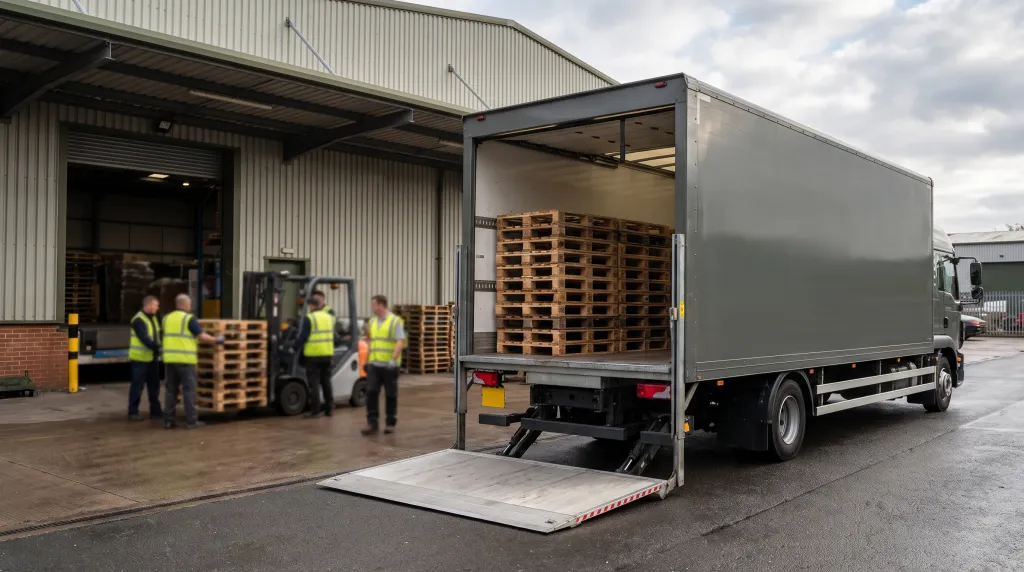
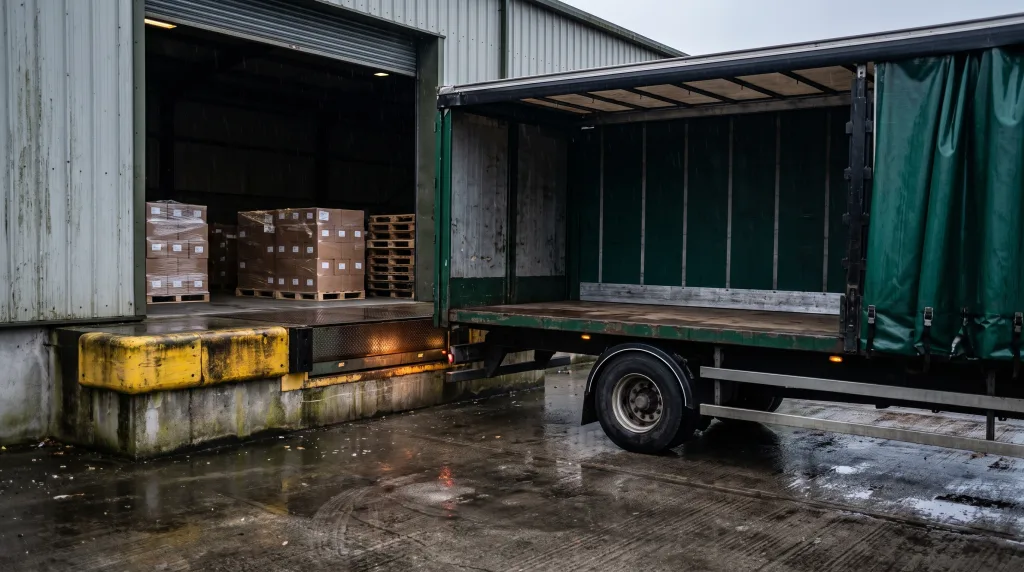
To pass the weighing, spread the mass along the trailer floor instead of concentrating it over one axle: a vehicle can stay within its GVW and still exceed the load on a single axle. Distribute heavy items evenly, account for the unloading sequence, because partial unloading changes the distribution on the onward journey, and for groupage loads establish the weight of each batch at the consignor. Static weighbridges and pre-selection systems measure exactly the load on each axle.
Why is this not only a matter of tonnage?
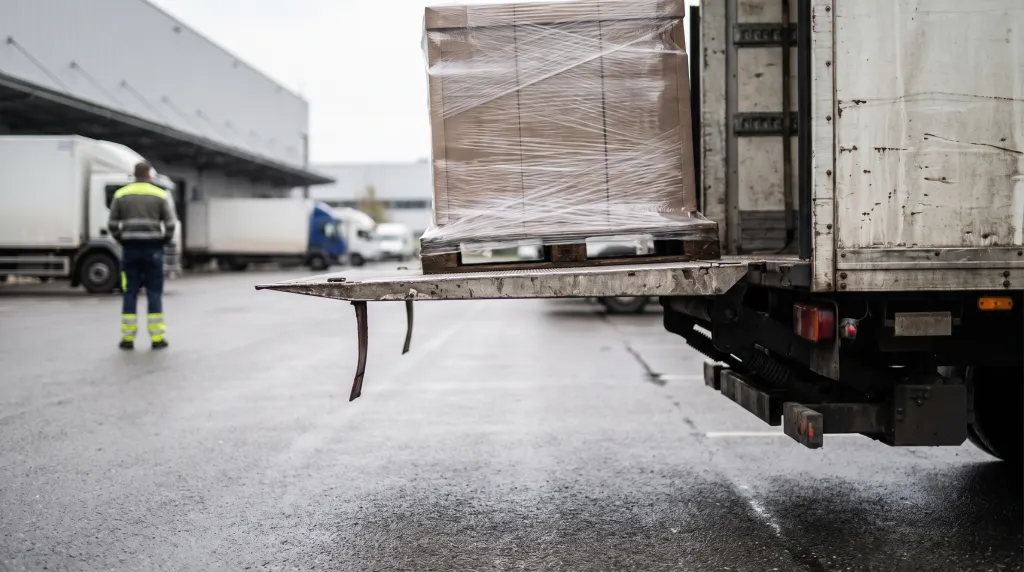
The most common mistake is to assume that if the total mass is within GVW, the check will pass. It will not. Cargo shifted forward overloads the drive or front axle, cargo shifted backward overloads the rear axle, even though the combined vehicle mass is compliant. A heavy, concentrated load (a single pallet of metal, for example) can exceed the axle limit on a trailer that looks far from full. So it is not only how much you weigh, but where you place that weight.
How is the excess detected?
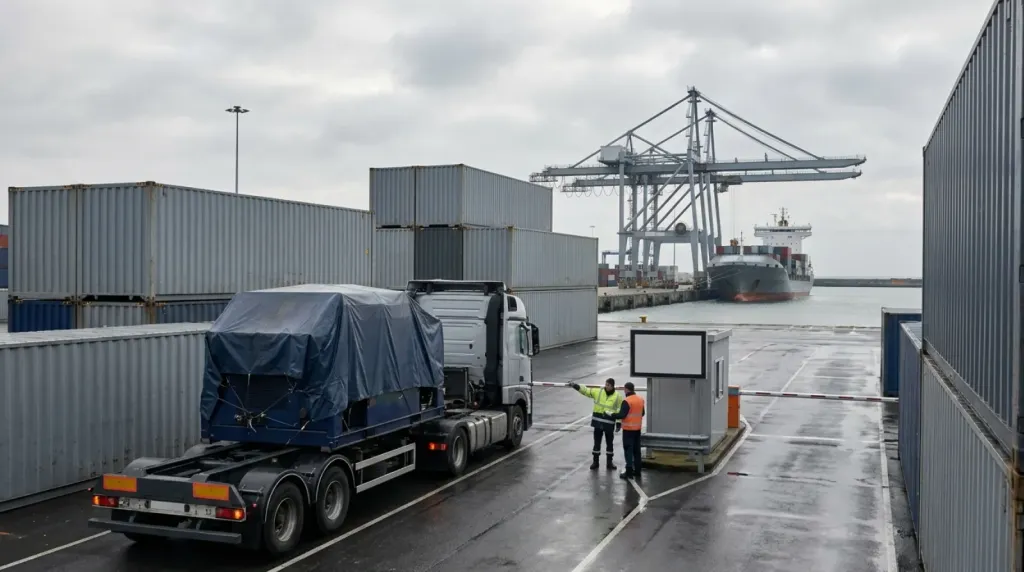
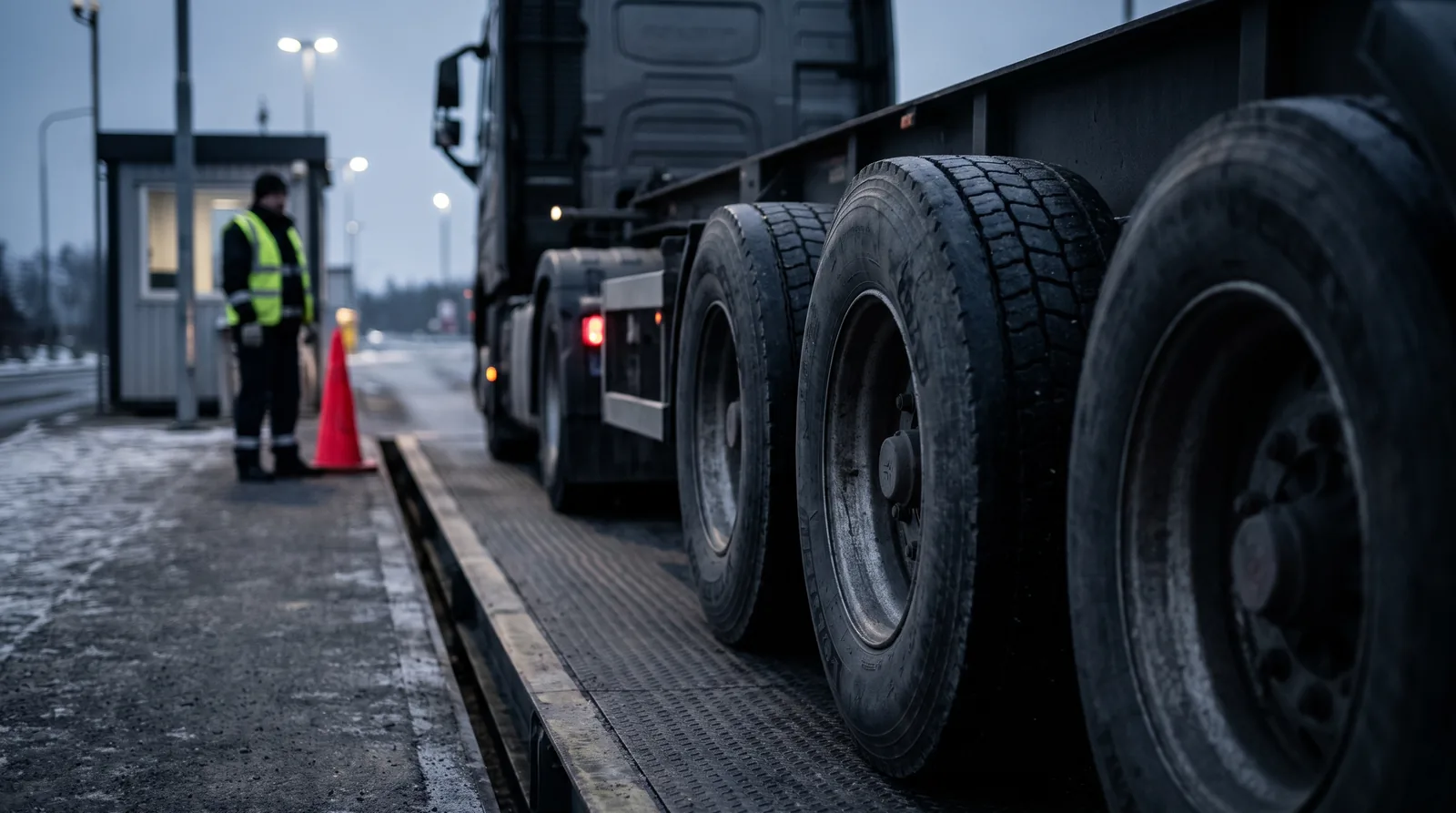
Control relies on two types of equipment. Static weighbridges, where the vehicle stops or rolls across axle by axle, produce a result accepted as evidence. Pre-selection systems weigh the vehicle in motion and flag those that appear overloaded for stopping. Pre-selection raises the suspicion; the actual measurement is taken on a static scale. Groupage loads combined from several consignors (see LTL) can be harder to account for than a single full load (FTL), because the mass and its distribution depend on several loading points.
What happens after an exceedance
Exceeding GVW or axle load brings a financial penalty and, above all, a ban on further driving until the surplus is removed. In practice this means a standstill, the need to bring in a second vehicle and reloading part of the goods on the spot or at a nearby warehouse. This generates cost, delivery delay and the risk of another check. The exact penalty rates and the mass and axle limits differ between countries, so they must be checked for the whole route before departure, not just for the country of loading.
Who is liable for overloading
Liability does not rest with the driver alone. The consignor who prepared the goods for transport and the party responsible for loading are also accountable for correct load placement and weight. If the cause was incorrect weight distribution during loading, liability may fall on the consignor, not only the carrier. Reliable information on the weight of individual items and their placement is therefore part of the order, not an add-on. How fines and liability split between the carrier and the loader is discussed in our article on who pays the fine for an overloaded axle.
How to avoid being stopped at the scale
Plan the weight distribution before loading, not after. Spread heavy items along the trailer floor, avoid concentrating mass over one axle, and account for the unloading sequence, because partial unloading changes the distribution on the onward journey. For combined loads, establish the weight of each batch at the consignor. If you are planning a heavy shipment or one that is hard to distribute, describe it to us through the contact form and we will match the vehicle and loading method. Also check the border procedures and customs clearance on the route, because weight control is often carried out at the crossing.
Step by step
- Determine batch weights. Obtain precise weight figures from the consignor for every portion of cargo before loading begins.
- Plan cargo distribution. Spread heavy items evenly along the trailer floor rather than concentrating weight over a single axle.
- Factor in unloading sequence. Arrange the cargo so that partial unloading does not disrupt the balance of axle loads on subsequent route legs.
- Secure the load properly. Fasten and block all items to prevent any movement during braking or cornering.
- Check axle loads before departure. Verify the weight distribution using a weighbridge or onboard axle load sensors.
Definitions
- Axle weight: the force with which a single axle of a vehicle presses on the road surface, expressed in tonnes.
- Gross Vehicle Weight (GVW): the maximum permitted total mass of the loaded vehicle, which must not be exceeded.
- Static weighbridges: stationary measuring installations used to determine the total mass and individual axle loads of a stationary vehicle.
- Pre-selection systems: automated sensors embedded in the road surface that measure individual axle loads of vehicles while in motion.
When does this rule not apply?
Standard load distribution rules do not apply when transporting indivisible abnormal loads, where individual axle loading depends on specialised multi-axle trailer designs and specific transport permits.
The OTSL role
OTSL assists hauliers and shippers in maintaining weight compliance across European routes. Through our Road transport (FTL) services, we help verify load layout and rectify uneven axle distribution at our logistics hubs in Milton Keynes and Kielce, as covered in Pallet re-stow and load re-arrangement on the vehicle, UK.