 AI image
A freight forwarder with an own client base does not build a company from scratch at OTSL: you step into infrastructure that already exists. Own customs agencies in Poland and the United Kingdom, a warehouse in Milton Keynes open 24/7, transloading bases in Kielce and Legnica, transport and forwarding licences, carrier liability insurance of EUR 1 million and CARGO cover for high-value goods are all in place on day one. Your clients keep what brought them to you: one forwarder from quote to delivery. Commission and contract terms are discussed in conversation, not in an advert.
Why does OTSL invite forwarders who bring their clients?
Because the company does not trade loads on freight exchanges and has no intention of starting. Work comes from direct clients, and the client relationship is what the whole business stands on. A forwarder who arrives with an own client base brings exactly that: relationships, not rates won in a bidding round. At OTSL independence and running your own shipments are expected, not tolerated. Nobody will tell you how to talk to a client you have known for five years.
In return the company expects your clients to receive what existing ones do: one responsible contact. They are handled by the forwarder who brought them. There is no hand-over of "your" clients to a customer service desk after the first month, because there is no such desk.
What do you get on day one that would otherwise take years?
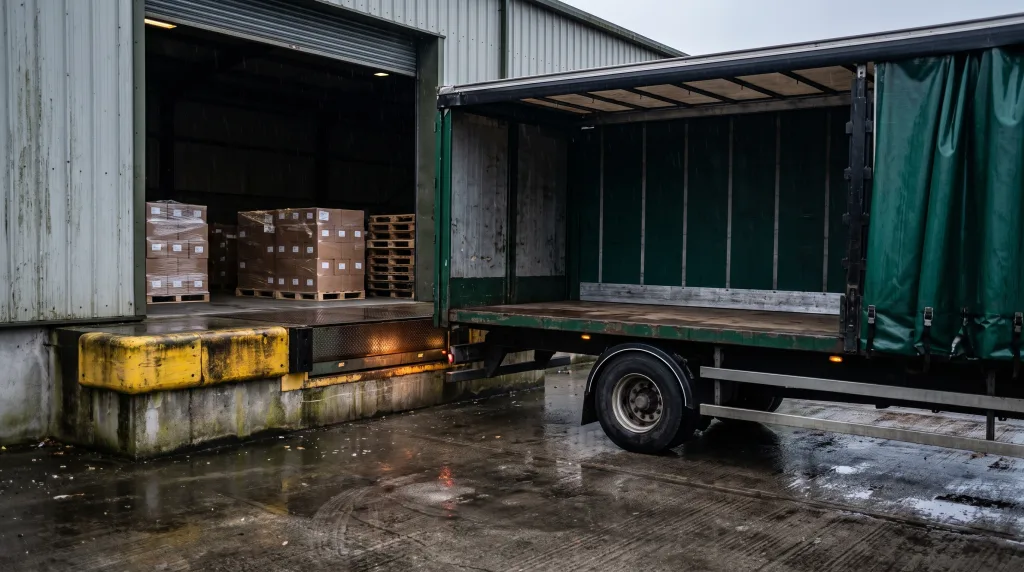
First, customs clearance. OTSL runs its own customs agencies in Poland and the United Kingdom, so export and import on the GB route are handled by colleagues, not by a subcontractor from a list. Second, warehousing: Milton Keynes in England, open 24/7, plus transloading bases in Kielce and Legnica. Third, licences and insurance: transport and forwarding licences, carrier liability cover of EUR 1 million and CARGO insurance for high-value goods. Each of these is a project in itself if you set up on your own. Here they exist.
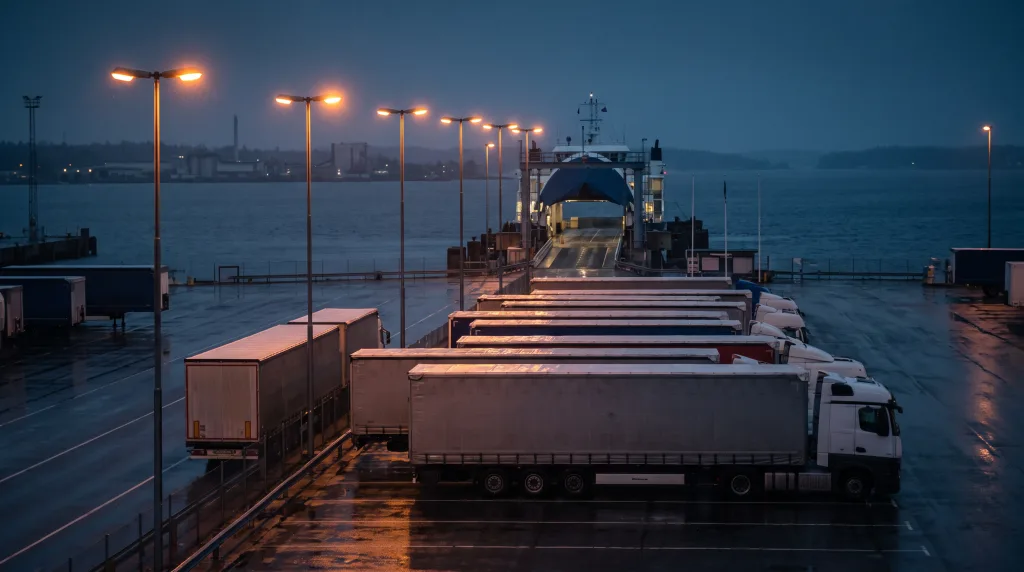
Add to that the working procedures on routes OTSL already serves: the European Union; the United Kingdom with GVMS and GMR (Goods Movement Reference) handling and ELO/ENS safety declarations; import clearance in France under procedure 42, and also in the Netherlands, Germany and Poland; then Switzerland, Norway and Ireland. If your client asks about a delivery to Zurich or Oslo, you do not search for someone who knows how. You ask a colleague. That is what a bring-your-clients freight forwarding job looks like when the back office is real.
How does moving your clients across work in practice?
The client does not notice the change in how the work is done; they notice it in the documents. They talk to the same forwarder, receive quotes from the same person and call the same number when a truck runs late. What changes is the company name on the order, the policy that protects their cargo and the infrastructure you draw on. For a client shipping to the United Kingdom the most tangible difference is the in-house customs agency: the declaration and the GMR are produced by the firm that carries the goods, so there is no passing of responsibility between carrier and agent.
The terms on which a forwarder with an own portfolio is remunerated, commission and the form of contract, are not published. We discuss them in conversation, individually, because they depend on the portfolio you bring and on whether you want to work remotely or on site in Kielce.
Starting with your own client base step by step
- Get in touch. You write through the contact form with the subject "Careers" or by e-mail. You describe your experience in international forwarding, the routes you work and the general profile of your clients. We do not need a list of names at this stage.
- Conversation with the owner. You agree the working mode, the basis of remuneration and what your clients need most often: clearance, warehousing, particular routes.
- Getting to know the back office. You learn how the customs agency works, how cargo is notified to the Milton Keynes warehouse, how carriers are chosen from the vetted pool and how they are checked.
- First shipments. You run them yourself, from quote to delivery, with the 24/7 operations team behind you. You see which parts of the infrastructure your clients use straight away.
- Insurance for specific clients. For high-value goods you arrange CARGO cover, because the carrier's liability insurance will not cover the value of light, expensive cargo.
- Steady state. Your clients know the number and the name have not changed, and that behind them stands a company with a customs agency, warehouses and licences. From here on you grow the portfolio, not the infrastructure.
Definitions
- Carrier liability insurance (OCP): a policy covering the carrier's liability for cargo within the limits of the CMR Convention; at OTSL with a sum insured of EUR 1 million.
- CARGO insurance: cover for the goods themselves, independent of carrier fault, used for high-value cargo.
- GVMS (Goods Vehicle Movement Service): the UK system linking customs declarations to a vehicle's passage through a port; it issues the GMR.
- ELO/ENS (Entry Summary Declaration): the safety and security declaration required before goods enter the United Kingdom.
- Procedure 42: import clearance in one EU member state with VAT deferred, where the goods move on to another member state; used by OTSL in France among others.
- Forwarding licence: the authorisation to arrange the carriage of goods, separate from the transport licence needed to perform carriage.
Checklist for a forwarder with an own client base
- You have clients who give you transport work directly, not through an exchange.
- You run shipments yourself from quote to delivery and want to keep working that way.
- Your clients ship to routes where OTSL has working procedures: the EU, the United Kingdom, Switzerland, Norway, Ireland.
- You know which of your loads need CARGO cover on top of carrier liability insurance.
- You have experience in international forwarding and know the logistics platforms a forwarder works on.
- You know that remuneration and working mode are agreed in conversation with the owner, not read from an advert.
When is this model not for you?
The model does not apply to a forwarder who wants to receive work from freight exchanges and bid on rates: OTSL does not buy loads on exchanges and will not change that for anyone. It also will not suit you if you prefer to hand a client on after quoting and move to the next enquiry, because here one person runs one shipment to the very end. The infrastructure described above covers the routes where the company has procedures; if your clients mainly ship to places OTSL does not serve, what we can do depends on a conversation, not on this article. Remuneration terms are not published and are set individually by the owner.
The OTSL role
OTSL is an international freight forwarder based in Kielce with its own customs agencies in Poland and the United Kingdom and a warehouse in Milton Keynes. For high-value cargo we arrange CARGO insurance, and we choose carriers only from a checked pool as part of our vetted carriers service. How carrier liability, forwarder liability and cargo cover differ, and which of them actually pays your client's loss, is explained in our article on the three insurances in transport. If you have your own client base and want to talk, use the contact form with the subject "Careers".