 AI image
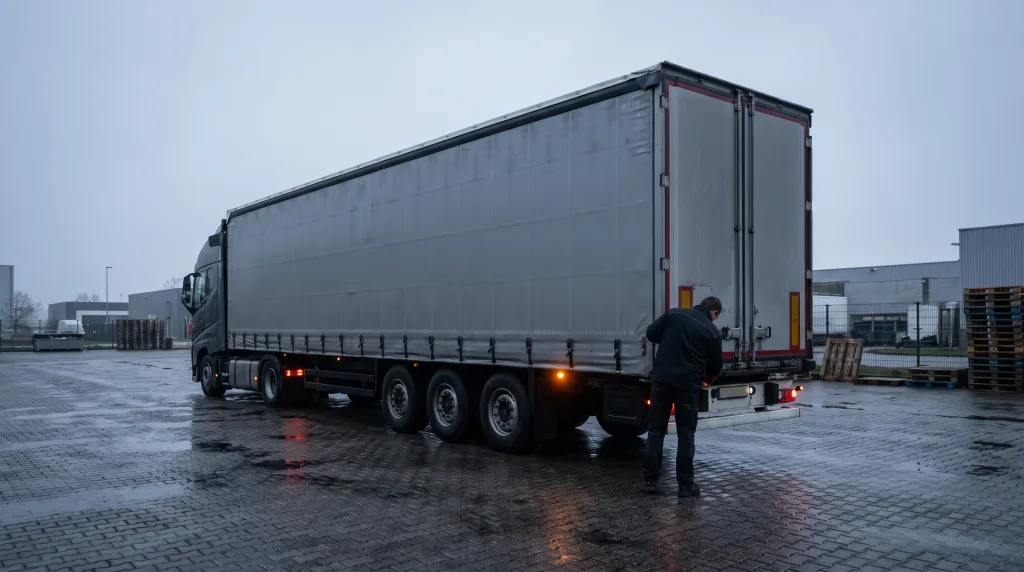
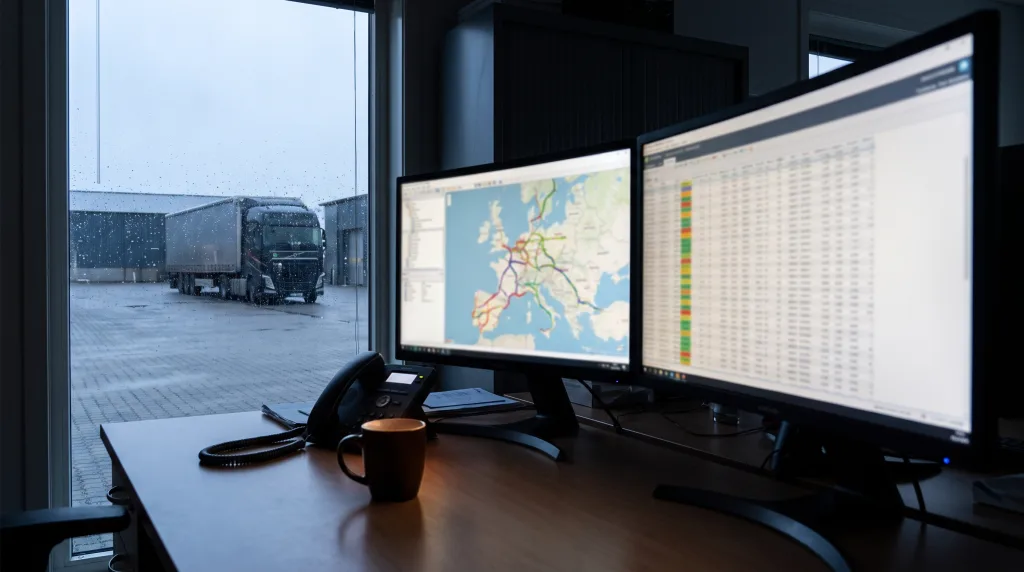
The 24/7 freight operations desk at OTSL is staffed by a team, not one person with a phone under the pillow. A typical night intervention on the UK route is not about a missing truck but a missing or incorrect document: the driver is in Dunkirk ahead of the Dover ferry and no GMR exists because the shipper has not sent the GB import documents. The duty forwarder finds what is missing, obtains the document, gets the customs agency working, moves the ferry booking if needed and tells the client before they notice. This is what a night in forwarding looks like.
Why is the truck standing in Dunkirk instead of boarding?
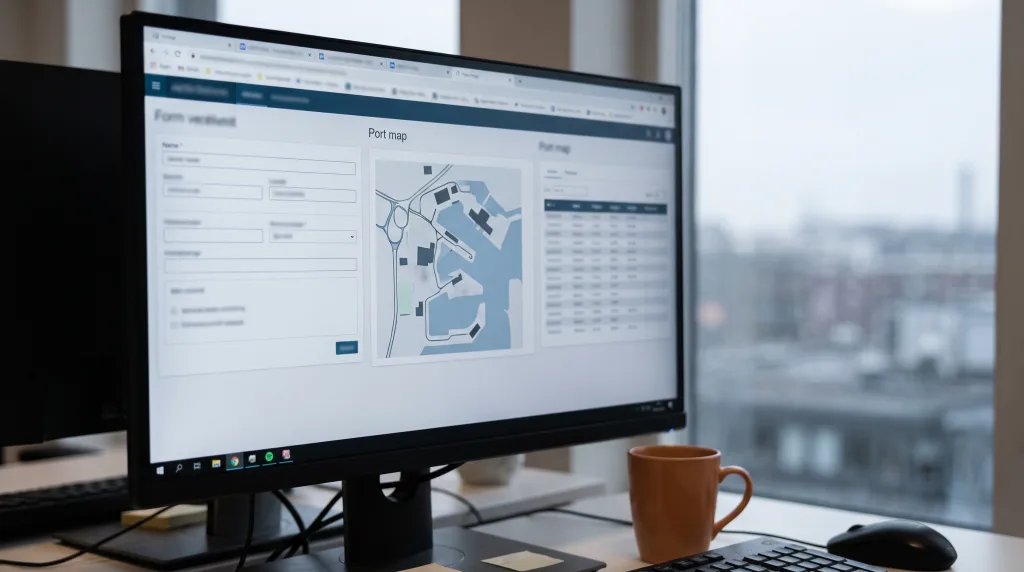
Because on the Dunkirk–Dover crossing the driver cannot buy a ticket at the gate. The freight booking and the GMR are prepared in advance by the office; the driver receives reference numbers and documents and does not fill in declarations. If something is missing from the GMR, or the trailer registration does not match what is standing in the yard, the port system will not let the vehicle in. The most common cause is the import paperwork on the British side: OTSL, as the carrier, prepares the GMR in GVMS, but cannot create it without an import declaration, which someone must lodge on the basis of documents from the shipper.
The second cause is a last-minute change: a different trailer, a different driver, a different sailing than the one booked. Each invalidates part of the data and needs correcting in the system. The duty desk usually sees it as a phone call at two in the morning: "I'm at the gate and it won't scan."
What does the duty forwarder do in the first thirty minutes?
First, establish what exactly is failing: no GMR, a GMR with no declaration attached, a vehicle data mismatch, no ELO/ENS safety declaration. Each has a different path. Then check whether the missing piece can be supplied overnight: if the shipper sent the invoice in the evening, the OTSL customs agency can lodge the declaration and the GMR will exist before check-in; if there is no invoice, the duty forwarder calls the shipper or the client and says plainly what is needed and by when.
In parallel, they ask the driver about the trailer check for clandestine entrants. That check is the driver's duty before entering the port, but its documentation in a checklist is what the duty desk asks for before check-in, because the UK civil penalty scheme holds the carrier and the driver liable, with penalty levels set by the Home Office. Only then does the duty forwarder look at the ferry: will the truck make the booked sailing, does the booking need moving, and what does that mean for the delivery slot in England?
What alternatives does the duty desk have when one clearance point is down?
OTSL maintains ELO/ENS readiness for its UK flows and can clear goods in France under procedure 42, in the Netherlands, in Germany or in Poland. For the duty forwarder this means that if one clearance point does not respond at night, or a system on one side has failed, there is somewhere to redirect the documents. Not every situation can be solved that way, but the decision "wait until morning or move the clearance" is taken on the basis of concrete options, not hope.
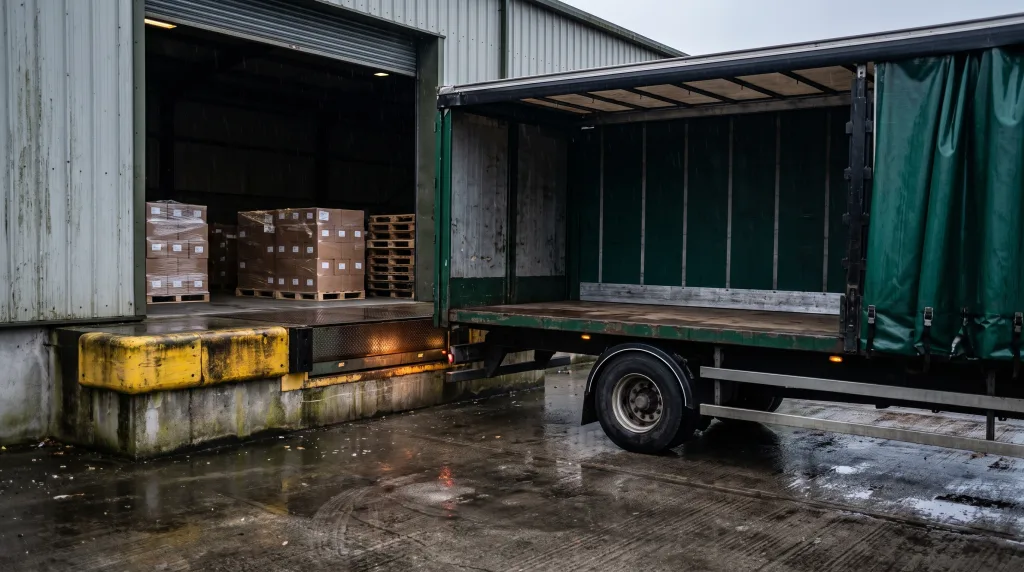
Another night scenario is a truck that never set off: the carrier failed to turn up for loading, or the unit broke down en route. That is where emergency transport takeover comes in: the duty forwarder arranges a replacement from the regular carrier pool, transfers the ferry booking and the GMR to the new vehicle details and informs the client of the new time before they call in the morning asking where the goods are.
A night intervention in Dunkirk step by step
- Call from the driver. The duty forwarder answers, establishes location, booking number and the message shown by the port system. They ask the driver for a photo of the screen or code so nobody has to guess.
- Diagnosis in GVMS. They check the GMR status: does it exist, does it contain all declarations, do the vehicle and trailer details match reality. They also check that the ELO/ENS safety declaration has been lodged.
- Completing the documents. If the GB import declaration is missing, they mobilise the OTSL customs agency and, where needed, call the shipper for the missing invoice or packing list. Without those documents no GMR can exist.
- Trailer check. They ask the driver about the completed check for clandestine entrants and the filled-in checklist. If the seal or the curtain raises doubts, they agree next steps before the vehicle enters the port.
- Ferry and slot. They assess whether the truck will make the booked sailing. If not, they move the booking to the next available one and work out what that means for the delivery booking in England.
- Informing the client. They write or call the client with specifics: what happened, what was done, what the new time is. They note the intervention in the order file so the forwarder running the job knows everything in the morning without asking.
Definitions
- Freight operations desk (duty cover): team readiness to respond outside standard hours; at OTSL maintained 24/7 and rotated within the team.
- GMR (Goods Movement Reference): the reference from GVMS (Goods Vehicle Movement Service) that a vehicle presents when boarding a UK-bound ferry.
- ELO/ENS (Entry Summary Declaration): the safety and security declaration required before goods enter the United Kingdom.
- Freight booking: a reservation for a vehicle on a specific ferry sailing, made by the office; the driver does not buy a ticket at the gate.
- Procedure 42: import clearance with deferred VAT in one EU member state where the goods move on to another; used by OTSL in France among others.
- Civil penalty: the UK administrative penalty for clandestine entrants found in a vehicle, imposed on the carrier and the driver; levels are set by the Home Office.
Checklist for the duty desk before ferry check-in
- The GMR exists, contains all declarations and matches the registration numbers of the tractor unit and trailer standing in the yard.
- The ELO/ENS safety declaration has been lodged before the goods enter the United Kingdom.
- The driver has carried out the trailer check for clandestine entrants and has a completed checklist.
- The seal number on the trailer matches the number written on the CMR (the Convention on the contract for international carriage of goods by road).
- The ferry booking matches the realistic arrival time at the port; if not, it has been moved.
- The client and the forwarder running the job have a note of the intervention: what happened, what was done, the new time.
When can the duty desk not solve the problem overnight?
Duty cover cannot replace documents nobody has issued. If the shipper has not prepared an invoice or a packing list and their office opens at eight, no GMR will exist before eight, however many people at OTSL are awake. The duty forwarder is not responsible for the trailer check either: that is the driver's duty, and the desk can only confirm it was done and documented. Alternative clearance points help, unless the problem sits with the British importer, for instance a missing registration, because then no EU-side clearance will get around it. The scope of what can be fixed at night depends on what the forwarder running the job left in the file: a complete file shortens the night, a thin one lengthens it.
The OTSL role
OTSL is an international freight forwarder based in Kielce whose operations team works 24/7 and runs UK shipments over the Dunkirk–Dover crossing. We book ferries as part of our ferry booking service, and what such a reservation contains and why the driver cannot buy a ticket at the gate is explained in our article on freight ferry bookings. When a truck never set off or broke down en route we activate emergency transport takeover; the order of actions is set out in what to do when the carrier did not show up. If you would like to work on a night shift freight forwarder desk covering Dover and Dunkirk, use the contact form with the subject "Careers". See also: Remote freight forwarding: what works from home, what needs Kielce and Freight forwarder with own client base: starting at OTSL.