 AI image
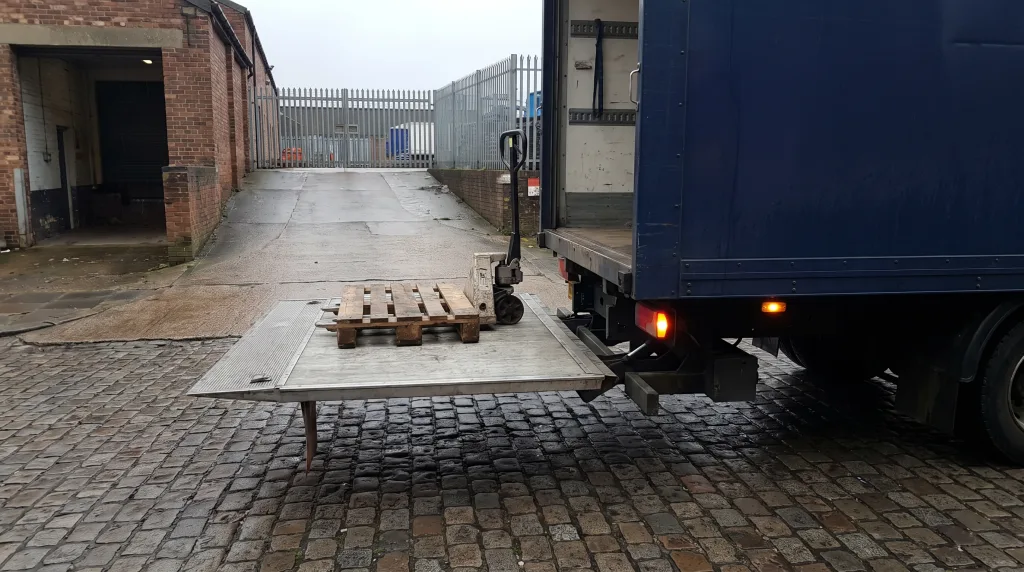
One of OTSL's partner carriers is based near Kwidzyn (postcode 82-500) in Powiśle, the area on the right bank of the Vistula in Poland's Pomeranian region, close to the A1 motorway. It runs 18-pallet rigid trucks with tail lift and handles jobs across the whole of Europe: pallets to consignees without a loading bay in Germany, the Netherlands, Belgium, France and Austria, plus stand structures and exhibits for trade fairs. We do not publish the company's name. Orders and contact go through the OTSL forwarder, not directly, because we work in a partner model rather than on freight exchanges.
Why does a base near Kwidzyn matter for planning a run?
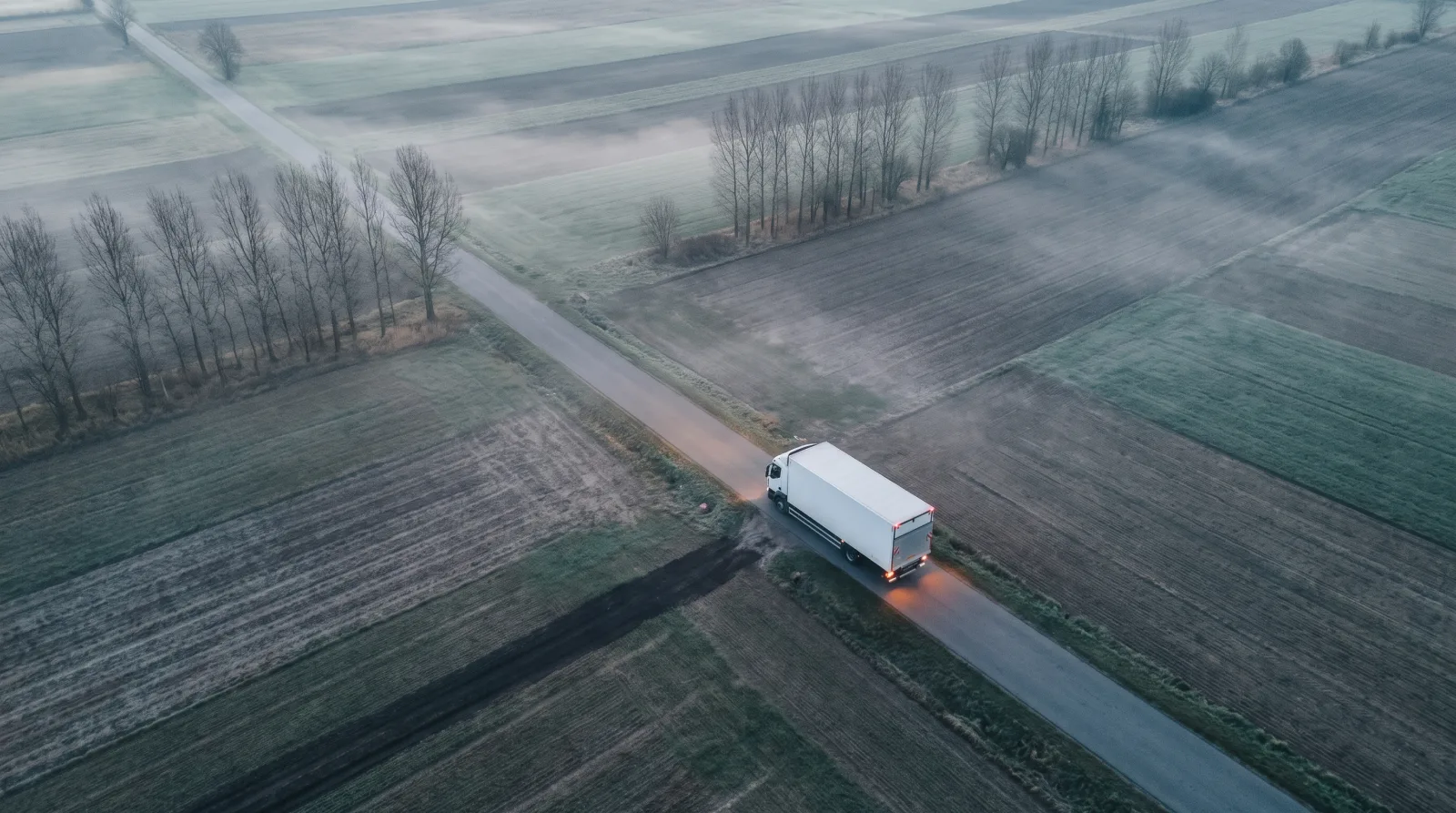
Kwidzyn lies between the Tri-City of Gdańsk, Sopot and Gdynia and the city of Toruń, on the right bank of the Vistula in an area known as Powiśle. From a base there the A1 motorway is near, running south to Łódź and on towards the west, and north to the Tri-City ports. In practice the partner's rigid can collect a load in northern Poland and set off west or south the same day. How far it actually gets that day depends on the driver's hours, not on map distance, which is why the OTSL forwarder plans the run with the tachograph in mind rather than with a ruler.
For a shipper in Pomerania, Warmia or Kujawy the partner's base in Powiśle shortens the approach to loading. For the haulier it means jobs that start close to home rather than after several hundred kilometres of empty running. The base address and the company name remain unpublished; the OTSL forwarder knows the partner and is the party answerable to the customer for the job.
Where do the tail-lift rigids from Powiśle go?
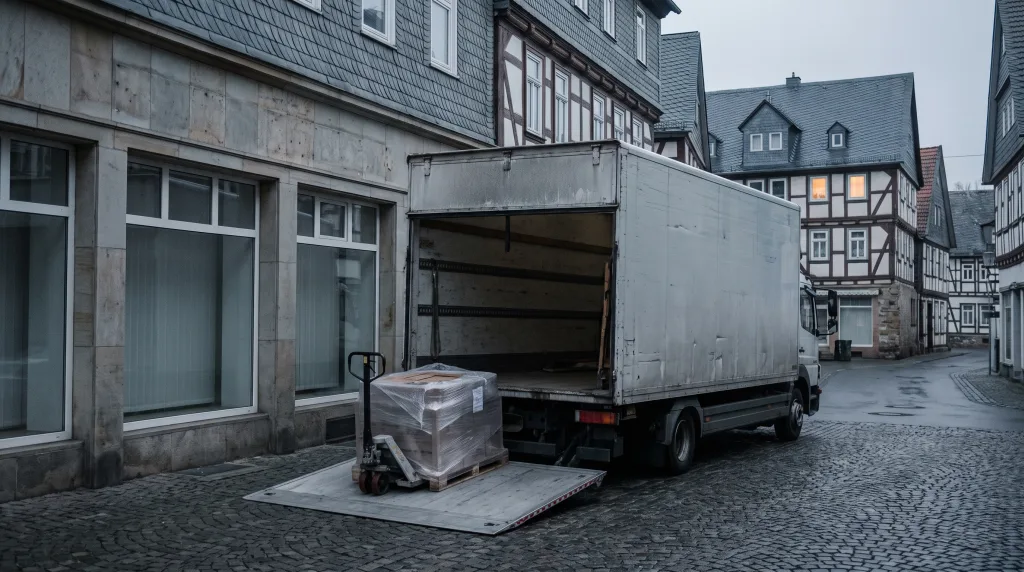
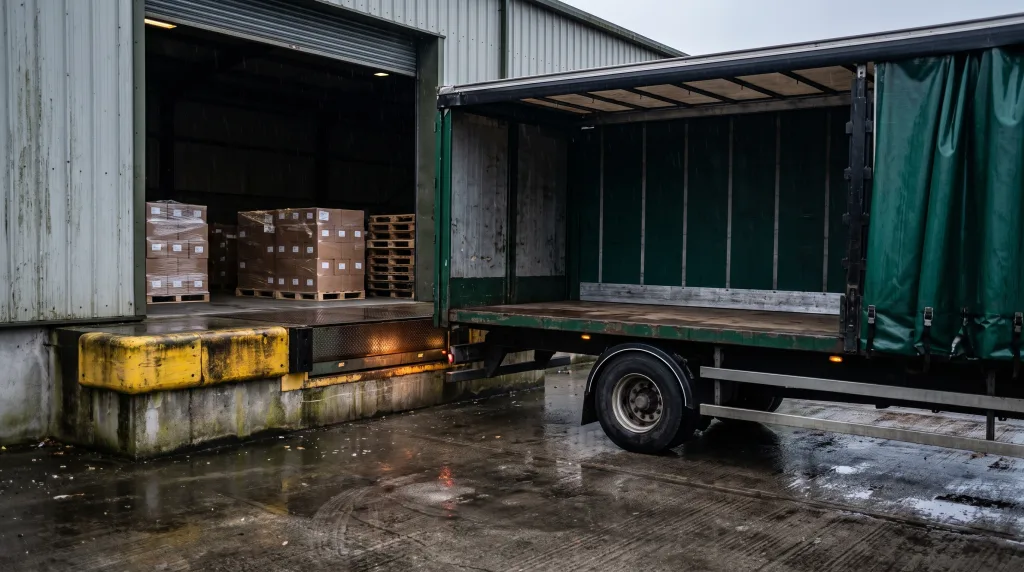
Typical loads for an 18-pallet rigid with tail lift are pallets to consignees without a loading bay in Germany, the Netherlands, Belgium, France and Austria: shops, workshops, offices, construction sites. The second pillar is exhibition logistics across Europe, meaning stand structures and exhibits delivered to the hall during the build-up window, with notification and booking-in arranged by the forwarder. The partner from the Kwidzyn area handles jobs across the whole of Europe, so the country list above describes OTSL's regular lanes, not the limit of what the truck can do.
The frequency of runs, the partner's own regular destinations and payment terms are not published; the owner of OTSL agrees them with the haulier directly. If you are looking for rates or a rhythm such as "twice a week to Germany" in this text, you will not find them, because we do not print figures we have not confirmed.
How a partner from Powiśle joins step by step
- Application. The haulier writes via the contact form with the subject "Carrier cooperation": where the base is, what vehicles, which destinations and what carrier liability insurance (OCP) it holds.
- Vetting before the first load. OTSL checks the Community licence and certified copies, the OCP policy at source, company history and consistency of register data. Without this stage there is no order.
- Agreeing the terms. The owner of OTSL and the haulier agree which runs and on what terms; these arrangements are not published.
- First job with full support. The forwarder verifies unloading conditions with the consignee, arranges notification and hands the driver the complete data set.
- Fixed communication channel. Contact goes through agreed numbers and addresses, not a phone number "for one trip"; order documentation is archived.
- Settlement after the run. The signed and dated CMR consignment note, proof of delivery (POD) and an invoice quoting the OTSL order number close the job.
Definitions
- Powiśle: the region on the right bank of the lower Vistula in Poland's Pomeranian voivodeship, with Kwidzyn as its main town; the OTSL partner is based in this area.
- 18-pallet rigid: a single-body truck without trailer taking 18 euro pallets at a gross vehicle weight of 18 tonnes, in the partner's fleet fitted with a tail lift.
- Partner model: working with a fixed pool of vetted carriers who receive orders from a lead forwarder, as opposed to buying loads on a freight exchange.
- OCP (carrier liability insurance): the Polish policy under which the insurer pays for damage to goods in transit; OTSL checks it before the first order.
- Community licence: the authorisation for international carriage of goods for hire or reward within the European Union.
- A1 motorway: the Polish section of European route E75, linking the Tri-City via Toruń and Łódź with the south of the country.
Checklist for a haulier from northern Poland
- A base with access to the A1 or another transit route, so that collecting a load in the north does not eat up the driver's working day.
- A rigid with a working tail lift described in the application: pallet count, lift capacity, pallet truck on board.
- Community licence with certified copies for every vehicle that will run OTSL jobs.
- OCP policy whose territorial scope covers the countries you want to serve.
- Register data, phone numbers and e-mail addresses consistent with what the public registers show.
- Readiness to work through the OTSL forwarder, without direct contact with the end customer.
When does the partner model not work?
The partner model does not apply to hauliers who want to pick up a one-off load from an exchange to fill an empty truck. OTSL does not buy loads on freight exchanges and does not hand them to whoever quotes the lowest rate first, so there is no bidding and no "who has a truck for tomorrow" round. Cooperation will not start either unless the haulier passes vetting: a missing certified copy of the licence, an OCP policy that excludes the destination, or contact details that do not match the register stop the process before the first order. The scope of runs depends on what is agreed with the owner of OTSL, and the Powiśle partner illustrates the model, not a promise of identical terms for everyone. See also: OTSL partner carrier instead of exchange loads: what changes for you and 18-pallet tail-lift rigid as an OTSL partner truck: jobs and routes.
The OTSL role
OTSL is the lead forwarder: it knows the partner, vets it, plans the run and is answerable to the customer for the job. The service the partners' rigids perform is described on the page rigid truck with tail lift, 12 t and 18 t, and the most frequent destination of these trucks on the region page transport to Germany. Why we work with partners instead of an exchange is explained in why we do not buy loads on exchanges. Hauliers from northern Poland who want to work in a similar model write via the contact form with the subject "Carrier cooperation".