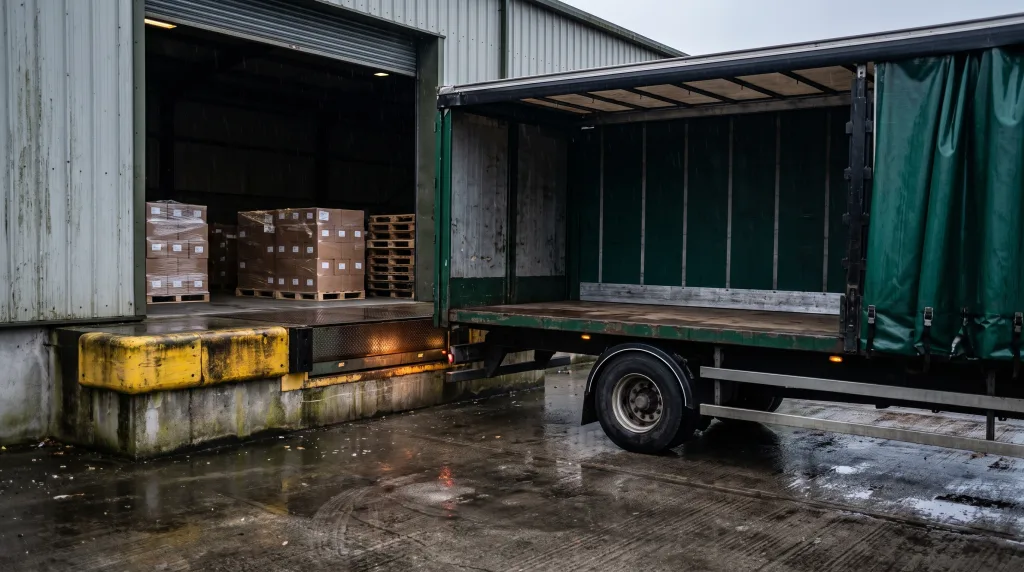
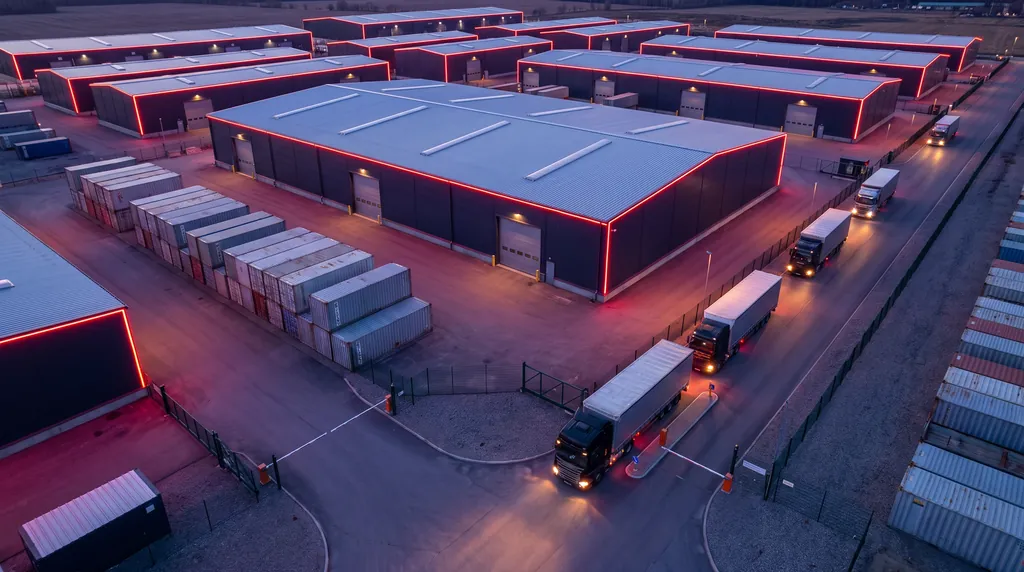
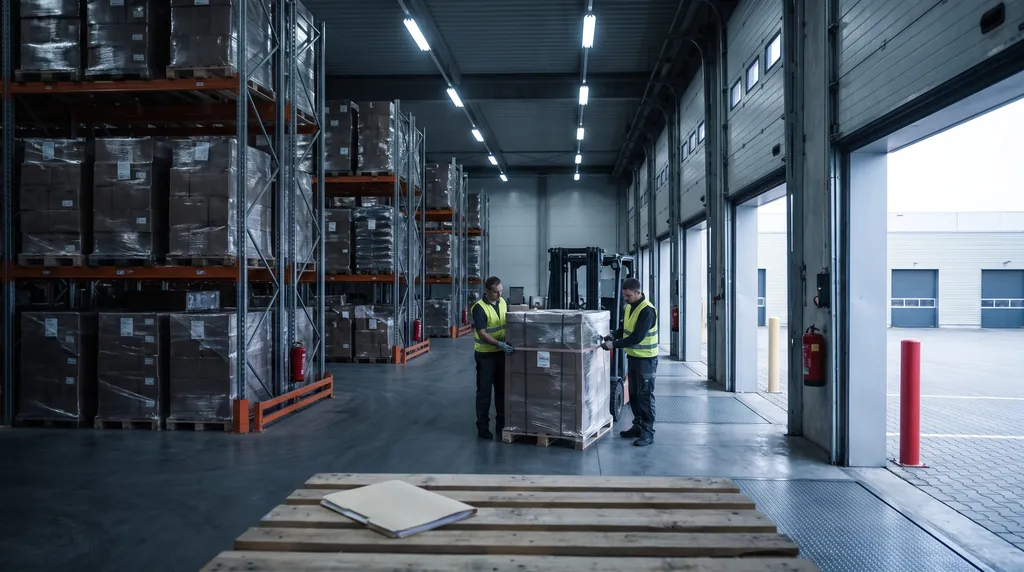
 AI image
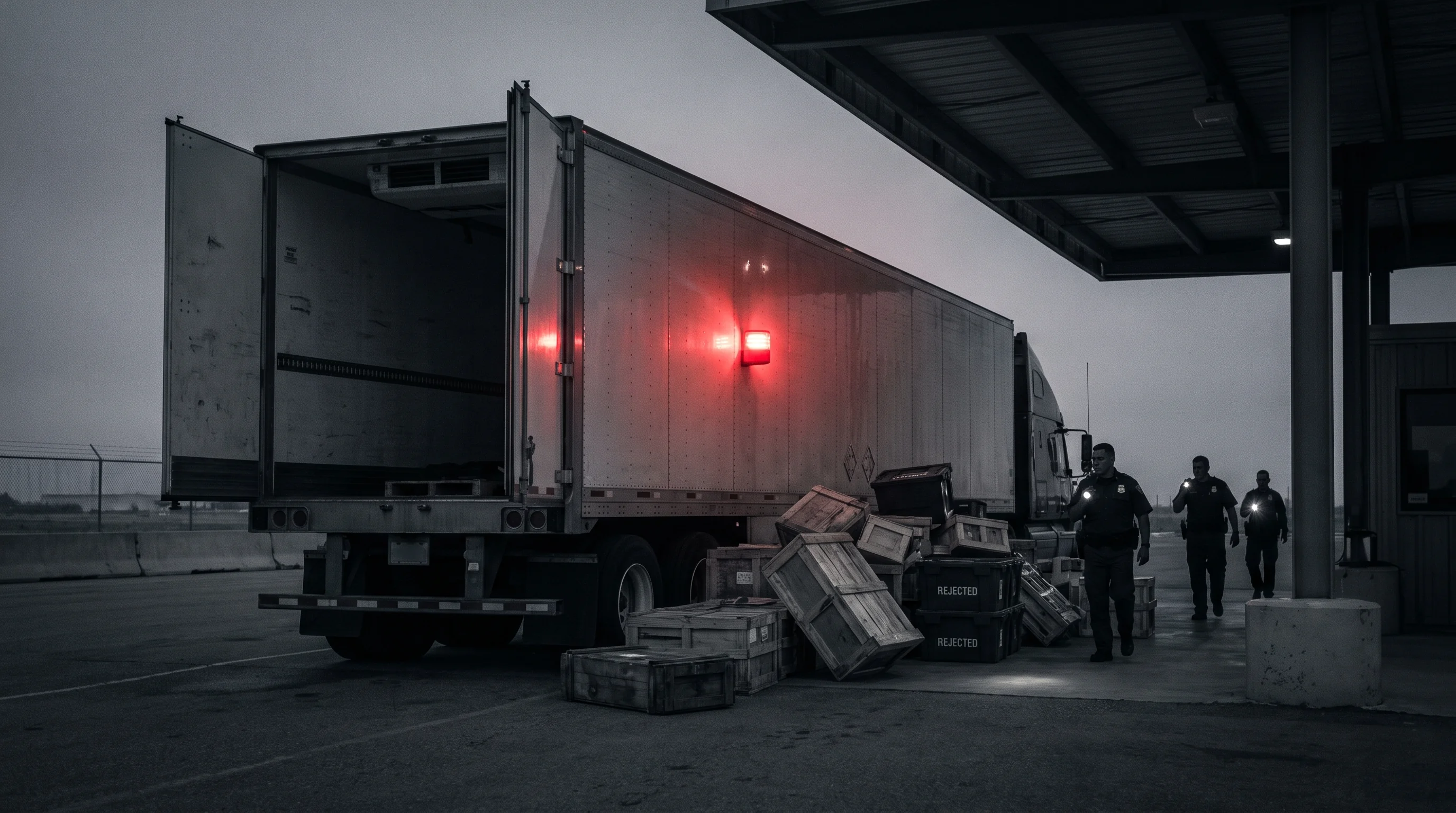
Without a health certificate (SPS) and prior pre-notification, a load of animal or plant origin is stopped at a border control post, for example at the French SIVEP or under the UK BTOM model. The consequence can be downtime in cold storage, a turned-back shipment, and for perishable goods their destruction at the company's cost.
What triggers veterinary and phytosanitary control
Products of animal origin (meat, dairy, fish), plants, fresh fruit and vegetables and certain composite products are subject to sanitary and phytosanitary control on entry into the EU and into the United Kingdom. (source: eur-lex.europa.eu) Before the truck reaches the border, the shipment must be announced in the system (pre-notification) and carry a full document set: a health certificate signed by an official vet or inspector in the country of export, the correct commodity codes and consignee details. Missing even one element means the system will not admit the shipment for further clearance.
Detention, turn-back, destruction
At a border control post a missing certificate or pre-notification does not end with a warning. The load is directed to the inspection area and waits, which means truck downtime, charges for the slot, and often forced cold storage. If the paperwork cannot be completed, the shipment is turned back to the sender or, for perishable goods that are refused, marked for destruction. The bill for cold storage, warehousing, disposal and downtime lands on the party ordering transport, because it is their goods that got stuck. The value of the load itself is often lost in full.
SIVEP and BTOM: two regimes, the same rule
On entry into France the veterinary and phytosanitary border clearance takes place at the SIVEP, whose rules we set out in our article on French veterinary border checks. On import into the United Kingdom the BTOM model with risk categories applies, which we break down in our piece on SPS controls on food and plant imports to GB. The regimes differ in detail, but the rule is shared: without a valid certificate and a pre-notification, goods do not pass. For more on the documentary requirements, see our border procedures page.
How does OTSL secure certificates before the truck moves?
With us the full sanitary document set is built before loading, not in a lay-by before the border. We check whether the goods are subject to SPS control at all, who on the export side issues the health certificate and whether they will make the deadline. We file the pre-notification in advance and cross-check the data in the declaration against the certificate and the invoice, so nothing diverges at the control post. We run clearances through our own customs agency, so veterinary, phytosanitary and customs move under one hand. If you are planning to move sensitive goods, contact us before you set the loading date.
Step by step
- Goods classification. Check whether your shipment is subject to sanitary and phytosanitary control requirements in the target market.
- Obtaining a health certificate. Secure the appropriate SPS document issued by an official veterinarian or inspector prior to dispatch.
- Submitting pre-notification. Register the consignment in the appropriate border system with sufficient advance notice.
- Document verification. Ensure that commodity codes and consignee details match the actual cargo perfectly.
- Border post passage. Hand over the complete documentation set to the driver to ensure a smooth inspection process.
Definitions
- SPS Certificate (Sanitary and Phytosanitary Certificate): An official health document confirming that the transported cargo meets sanitary and phytosanitary requirements.
- SIVEP (Service d'inspection vétérinaire et phytosanitaire aux frontières): The French veterinary and phytosanitary inspection service controlling goods entering the European Union.
- BTOM (Border Target Operating Model): The British border control operating model regulating rules for importing goods into the United Kingdom.
- Pre-notification: The advance notification of planned sensitive cargo transport submitted to the relevant IT system before the goods arrive at the border.
When does this rule not apply?
The requirement to hold an SPS certificate and complete pre-notification does not apply to shipments of goods not derived from animals or plants, nor to certain processed products exempted from border inspections, unless specific market rules state otherwise.
The OTSL role
OTSL assists in organising transport requiring temperature control and sanitary checks. If you are dispatching food or agricultural goods, explore our temperature-controlled transport services and read about SIVEP French veterinary border checks.