 AI image
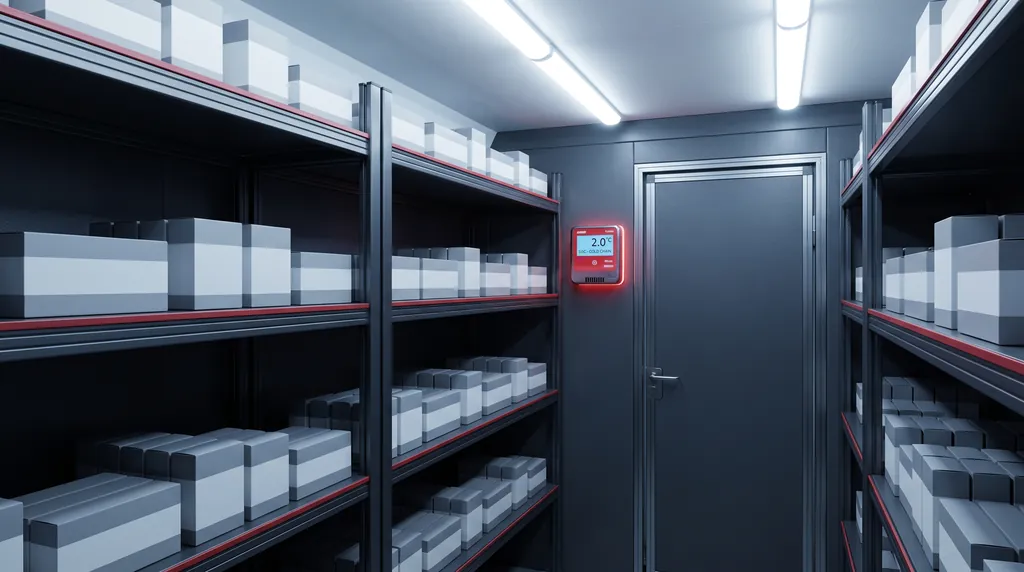
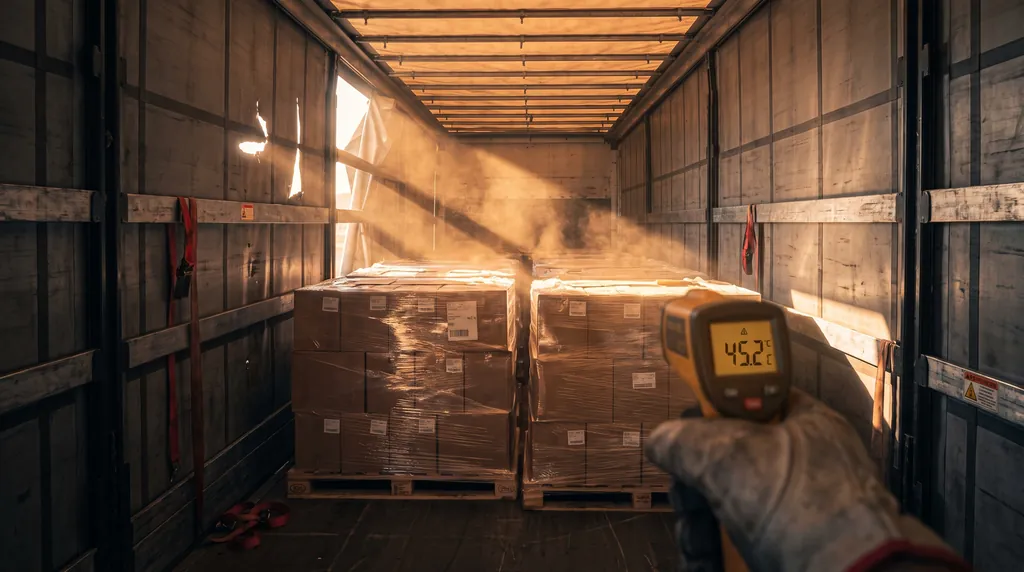
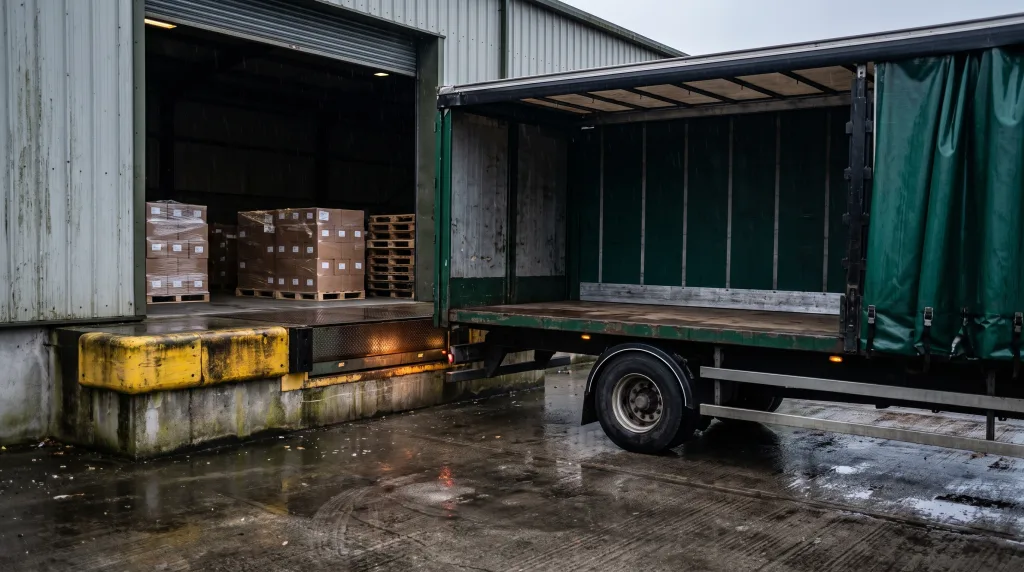
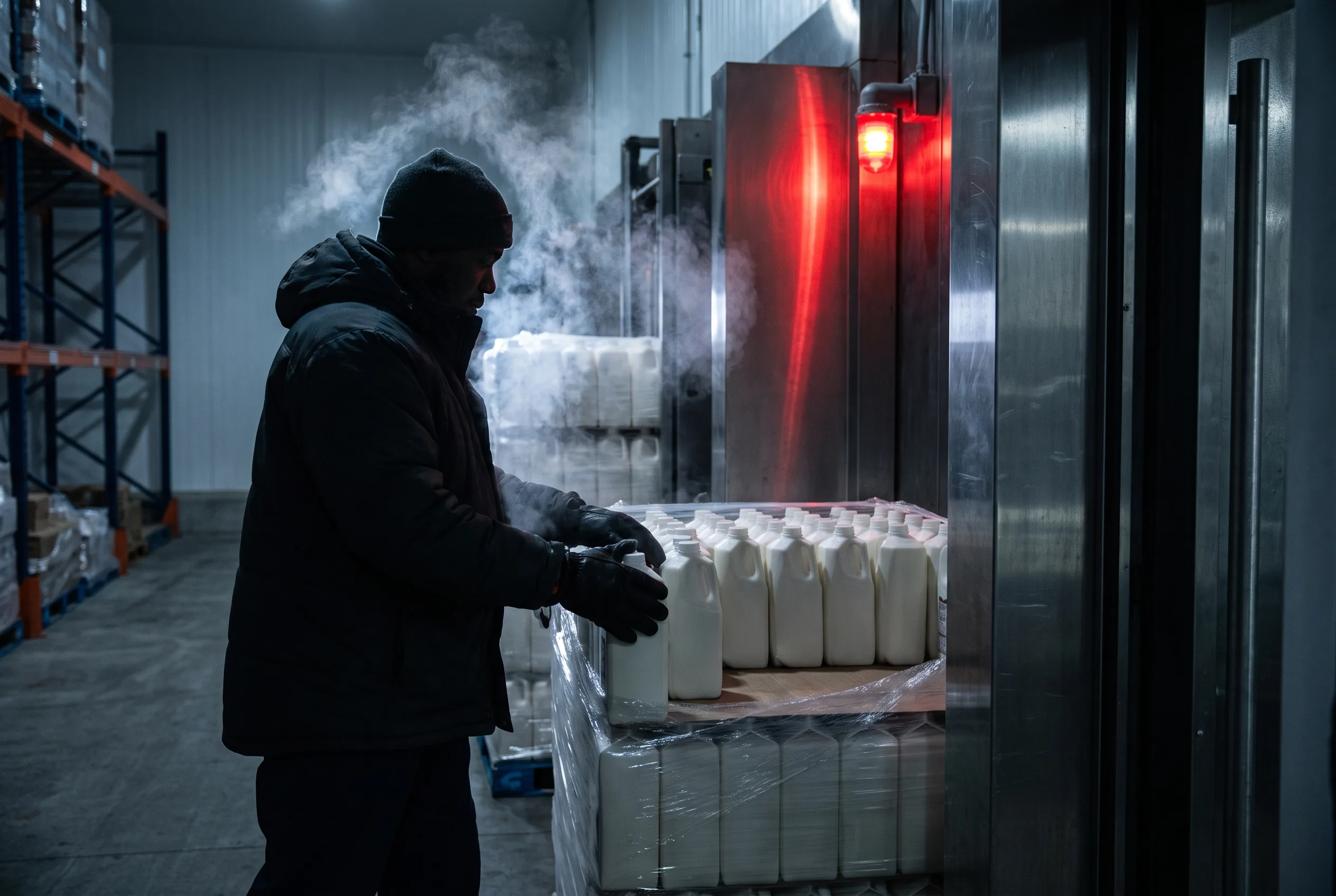
A refrigerated trailer carrying 33 Euro pallets of chilled dairy arrived at a UK facility with leaning stacks and torn wrap after motorway braking. The refrigeration had done its job, the pallets had not. We rebuilt 21 pallets fully and 8 partially inside a temperature-controlled environment held at about +3 degrees Celsius, so the products never left their safe range while the load was open.
Situation
Chilled dairy is a double problem when it shifts. The structural issue is the same as any palletised load: stacks leaning, wrap torn, cartons off position, unloading halted. The second issue is the one that decides the value of the load: dairy must stay within a tight chilled range, and the moment the doors open on a warm dock, the clock on the cold chain starts running. A rebuild done in the wrong place would have saved the pallets and lost the product.
What did we do?
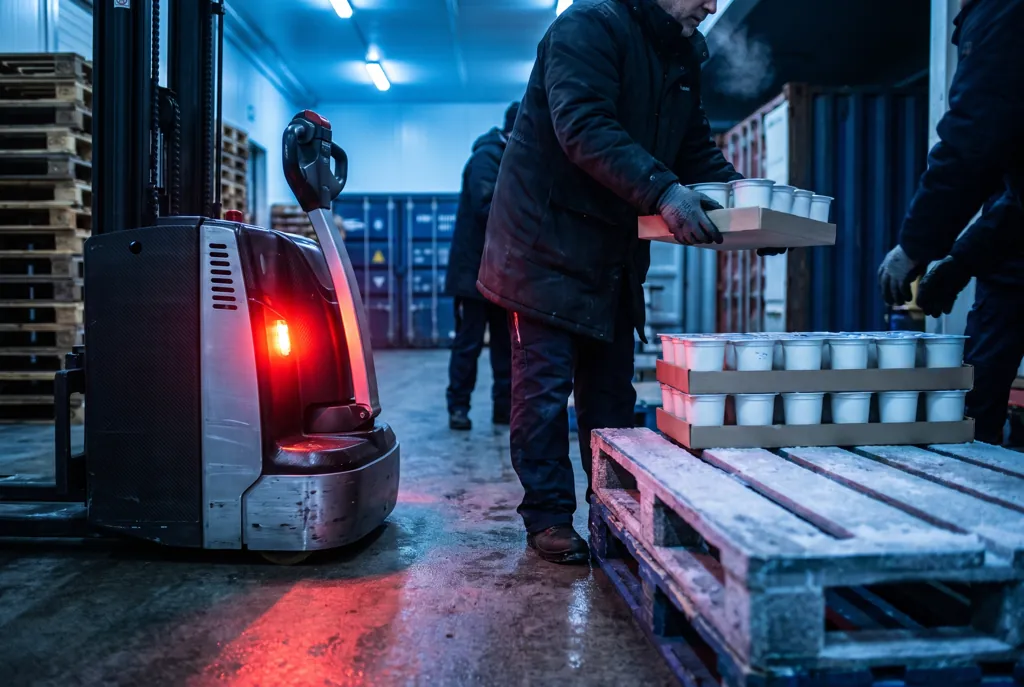
The trailer was inspected stack by stack for stability, carton alignment, wrap condition and packaging damage. Then the rework moved into a chilled chamber held at roughly +3 degrees Celsius, matching the trailer set point. Inside it, damaged wrap came off, cartons were re-laid into stable layers, stacks were rebuilt to the correct pattern and every pallet was freshly wrapped.
After the rebuild came a product inspection: damaged cartons, compromised packaging, anything that could put unsafe product into the chilled chain was isolated. The pallets went back into the trailer with proper spacing for safe forklift work at the destination.
Outcome
The overwhelming majority of the 33 pallets returned to the chilled distribution schedule, with 4 pallets never needing intervention. The consignee received the load stable, in range and documented, instead of a rejection notice.
What does this mean for shippers?
For chilled goods, ask one question before anyone touches a shifted load: at what temperature will the rework happen? Working chilled is part of our multi-temperature storage capability, and the rebuild process itself is described in pallet re-stow and load rearrangement. Chilled load in trouble? Use the contact form, we run 24/7.
How to manage weight distribution and prevent carton collapse after restacking?
When you rebuild chilled dairy pallets at +3°C, vertical alignment alone is insufficient. Paperboard packaging loses up to 40% of its structural compression strength when relative humidity inside the cold store exceeds 85%. For this reason, you must restrict the maximum pallet stack height to 1.6 metres and limit the total gross weight of a single Euro-pallet to 750 kg. Exceeding these thresholds forces the bottom layer of packaging to buckle under dynamic forces during transit.
- Maintain a minimum gap of 0.1 metres between pallet rows to guarantee unimpeded airflow from the refrigeration unit along the entire trailer length.
- Check the drive axle load limit – if you exceed the 11.5 tonnes threshold, redistribute the heaviest pallets towards the rear of the trailer.
- Limit the total handling window for any exposed load outside active refrigerated airflow to a maximum of 15 minutes.
Note the explicit operational boundary: these restacking and weight distribution rules do NOT apply if the core product temperature has already exceeded +6°C, or if primary retail packaging seals (such as heat-sealed foil lids) have been breached. Under such conditions, food safety standards demand immediate cargo rejection rather than re-palletising.
Step by step
- Cargo inspection. You inspect the condition of the trailer and assess the degree of pallet shift after opening the doors.
- Transfer to chilled zone. You move the vehicle into a temperature-controlled facility at plus three degrees Celsius to protect the cold chain.
- Restacking pallets. You manually stack fallen dairy cartons and replace any damaged outer packaging.
- Wrapping and securing. You wrap the rebuilt stacks with fresh stretch film and secure them with strapping.
- Reporting and clearance. You compile photographic documentation for the insurer and release the stabilized load for final unloading.
Definitions
- Refrigerated trailer: A heavy goods vehicle equipped with insulated bodywork and a cooling unit to maintain a set temperature during transport.
- Cold chain: An unbroken sequence of temperature-controlled storage and distribution operations required to preserve perishable food products.
- Euro pallet (EPAL European Pallet Association): A standardised wooden pallet measuring eight hundred by twelve hundred millimetres used throughout European logistics.
- Restacking: The manual or mechanical rebuilding and re-securing of shifted or collapsed pallet loads before safe unloading can resume.
When does this rule not apply?
The requirement for restacking inside a chilled environment does not apply when the primary product packaging has ruptured and leaked, requiring immediate disposal under sanitary authority directives.
The OTSL role
OTSL provides emergency logistical support and warehouse facilities across the UK and Continental Europe, specializing in temperature-controlled transport solutions. Our team handles complex load recovery cases, such as a scenario involving 24 pallets of dairy, a halted unload and a shelf-life clock, ensuring strict cold chain compliance. See also: Restacking frozen meat at minus 18, where nothing can wait and Yoghurt at +2 degrees: a restack with no room for waiting.