 AI image
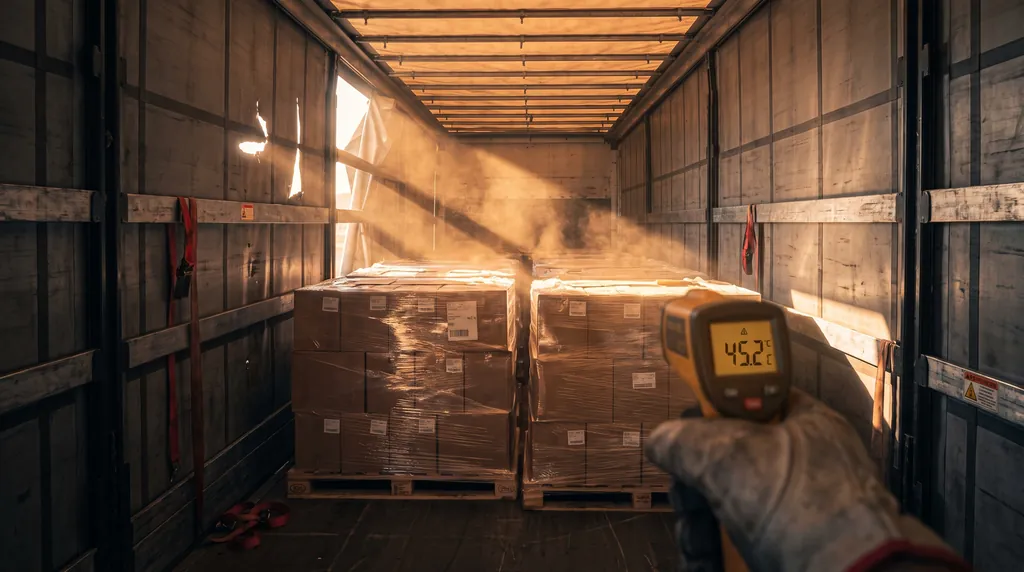
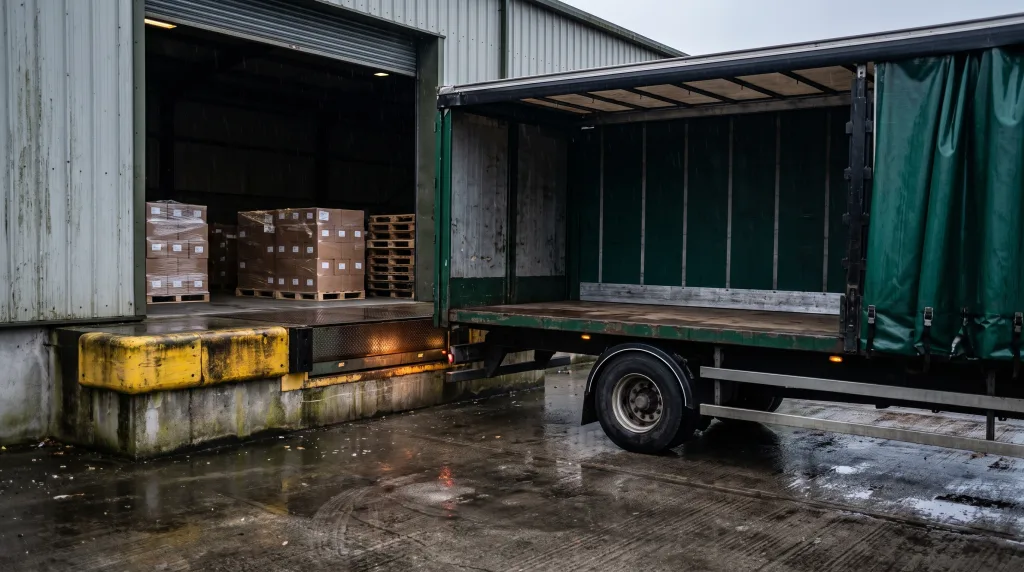
A refrigerated trailer running at minus 18 degrees Celsius arrived at a UK facility with five pallets of frozen meat leaning and wrap damaged after braking in transit. Frozen food leaves no room for improvisation: the load cannot wait on a warm dock and it cannot be reworked there either. We rebuilt 20 pallets fully and 4 partially inside a frozen environment, and the load continued through the frozen chain.
Situation
With frozen meat two requirements collide: the pallets must be made safe to unload, and the product must stay at or below minus 18 degrees the entire time. A shifted frozen load is therefore a harder problem than the same shift in ambient goods. Any recovery plan that involved the trailer standing open, or cartons sitting out in normal temperatures, would have turned a stability problem into a food-safety one. The receiving facility halted the unload and the load needed a site equipped to work it cold.
What did we do?
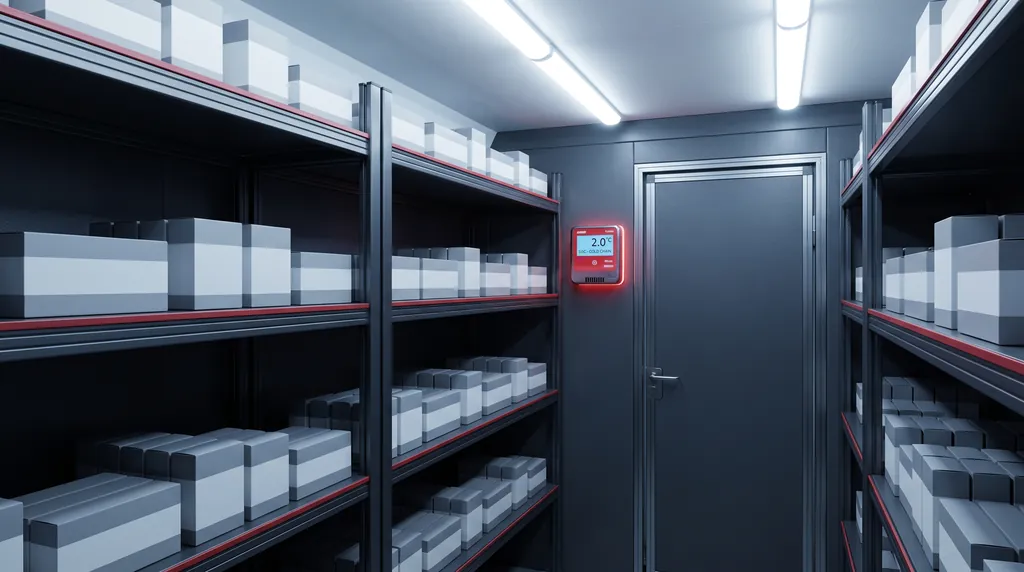
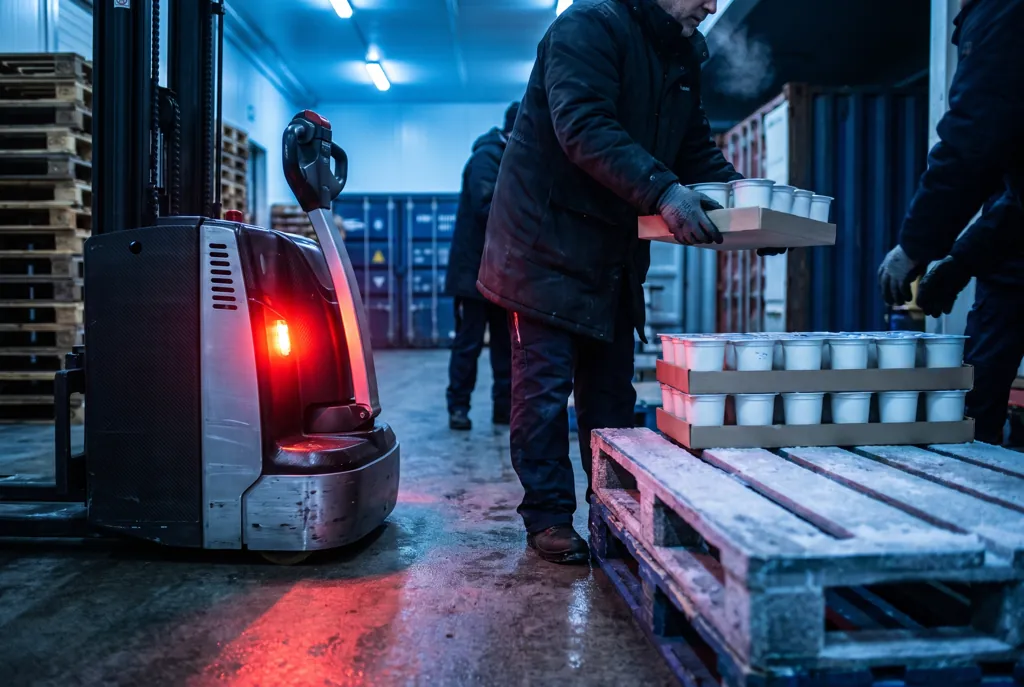
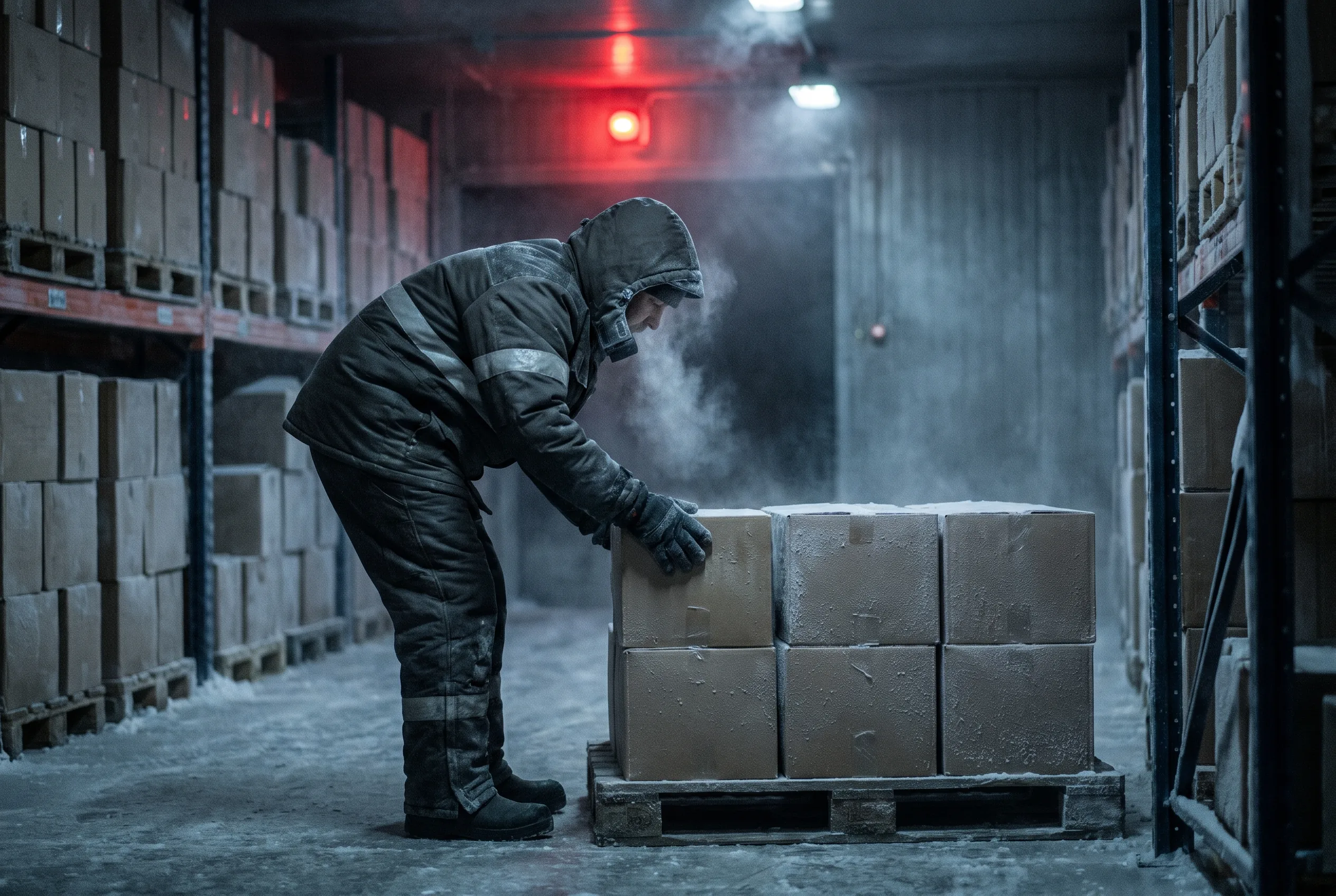
The trailer was inspected stack by stack for stability, carton alignment and packaging damage. The rework itself ran in a temperature-controlled environment held at about minus 18 degrees Celsius, matching the trailer. Damaged wrap came off, cartons were rebuilt into correct patterns, and fresh wrap secured each pallet.
The product inspection that followed looked for what matters in a frozen chain: crushed or breached cartons and any sign of temperature deviation. Suspect stock was isolated rather than argued back into the load. The pallets were then re-spaced in the trailer for a safe unload at destination.
Outcome
The large majority of the 26 pallets returned to the frozen distribution schedule, documented with inspection records and photographs. The delivery continued without the load ever leaving its temperature range.
What does this mean for shippers?
For frozen goods, the question is not whether a recovery team is available but whether it can physically work at minus 18. Freezer capability is part of our multi-temperature storage, and the rebuild process is described in pallet re-stow and load rearrangement. Frozen load stuck? Use the contact form, the site runs 24/7.
How do you control operational limits during deep-freeze restacking?
Working at minus 18 degrees Celsius imposes strict physical operational limits. Standard worker efficiency drops by roughly 30%, and the maximum continuous exposure time for personnel inside the freezing zone is capped at 45 minutes before a mandatory recovery break in a warm buffer area. When manually restacking frozen cartons weighing up to 25 kilograms, you must account for reduced dexterity caused by heavy thermal clothing, which requires lowering the maximum stack height by at least 0.2 metres compared to standard ambient loading patterns.
Air humidity control creates another critical physical dependency. If the relative humidity within the loading bay area exceeds 70%, ice crystals rapidly resublime onto the outer cardboard surfaces, acting as a lubricant and destroying friction between layers. To prevent dangerous load instability, dock seal exposure time must not exceed 35 minutes without active dehumidified air circulation.
Application boundary: These emergency restacking rules do not apply if the core product temperature rises above minus 12 degrees Celsius or if more than 15% of primary packaging is physically breached. Under these conditions, the cargo automatically fails cold chain compliance, restacking is stopped, and the consignment is handed over for veterinary inspection or destruction under UK Border Force customs control rules.
Step by step
- Maintain the cold environment. Stop the unloading process immediately to keep the cargo inside sub-zero conditions.
- Assess cargo stability. Inspect the shifted pallets and evaluate any wrapping damage.
- Prepare the frozen zone. Set up a controlled cold area to prevent temperature spikes during handling.
- Rebuild the pallets. Restack the compromised units carefully and re-wrap them for transit safety.
- Verify load safety. Perform a final inspection of the rebuilt pallets before releasing the vehicle.
Definitions
- Refrigerated trailer: A specialized transport unit designed to maintain sub-zero temperatures throughout transit.
- Frozen chain: An uninterrupted sequence of storage and transport maintaining goods at deep-freeze temperatures.
- Pallet restacking: The process of rebuilding and securing unstable or shifted goods on pallets.
- Ambient goods: Cargo that requires standard room temperature conditions without specialized refrigeration.
When does this rule not apply?
The strict requirement to carry out recovery operations exclusively inside deep-freeze facilities does not apply if the shipment consists of ambient or standard chilled products.
The OTSL role
For international shipments requiring strict temperature control, explore our temperature-controlled transport services. You can also read our guide on restacking a chilled dairy load inside the cold to see how we manage temperature-critical situations.