 AI image
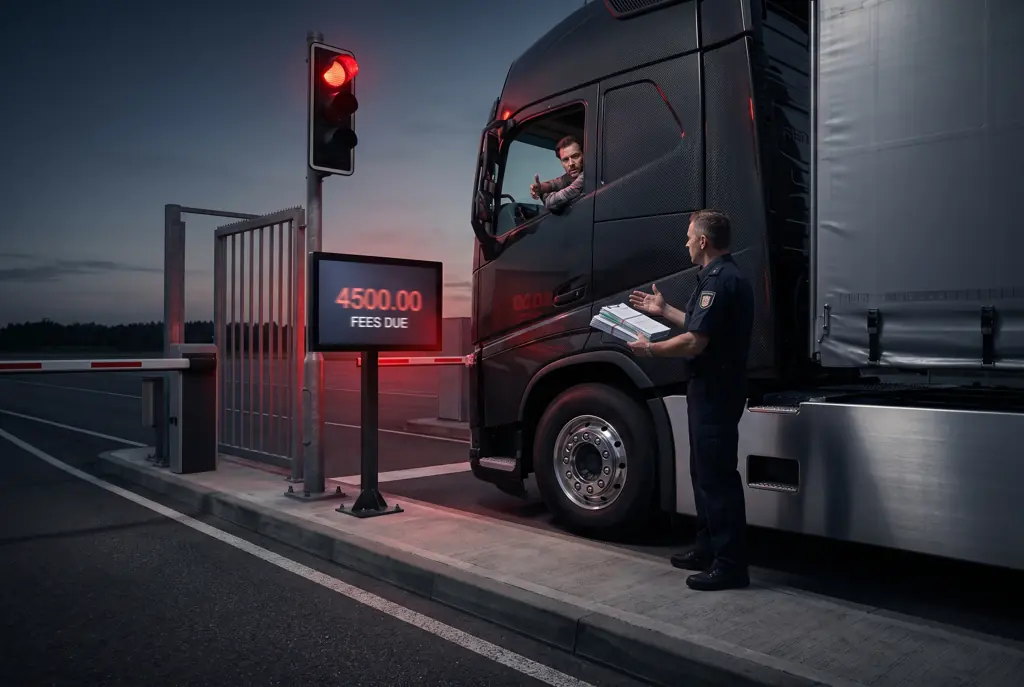
A wrong tariff code (HS/CN) means the wrong duty and VAT applied at clearance. When a customs audit finds the mistake, the authority recalculates the difference retroactively, adds interest from the original declaration, and, for repeated or serious errors, may open penalty proceedings. As a rule the bill falls on the importer as the declarant.
Why a few digits decide the whole bill
The tariff code sets the duty rate, the import VAT rate, and often whether the goods face quotas, anti-dumping duty, bans, licences, or preferential reductions under trade agreements. The same item described under two headings can carry a different duty and different obligations. One wrong digit is not always a minor gap: it can move goods into a completely different rate or under a protective measure nobody priced in.
What actually happens after an audit
Customs can review declarations after the goods are released, within the period set by law. If they decide the classification was wrong, they correct the declaration and charge the difference retroactively. On top of that, interest is generally added from the moment duty and VAT should have been paid. With repeated or culpable errors comes further exposure: fiscal-criminal proceedings and loss of trust in simplification statuses. The size of back payments and any penalties depends on the country, value and scale, so we do not quote figures here; we establish them case by case.
Who is liable
Responsibility for the content of the customs declaration lies with the declarant, as a rule the importer. A customs agency acts on the data and documents the client provides: description, composition, intended use, invoice. That is why we keep roles clear in our customs clearance handling and customs advisory: what we can verify, we verify, and what needs a binding decision we route to a formal Binding Tariff Information (BTI), which protects the importer going forward. (source: taxation-customs.ec.europa.eu)
How does OTSL prevent this?
We check classification before the declaration, not after the audit. We ask what really defines the code: material, function, degree of processing, intended use, not just the trade name on the invoice. We compare the proposed code against explanatory notes and authority practice. For borderline or repeat goods we recommend applying for a BTI, so the rate is certain and binding. We also flag when a code pulls in anti-dumping duty, a quota or a licence, before it surprises you at clearance. We run customs, warehousing and transport under one responsibility, so the data lines up instead of drifting between suppliers. See our customs clearance.
Step by step
- Verify the product description. Examine the technical specifications and intended use of the goods before filing a customs entry.
- Check the TARIC database. Confirm duty rates and trade measures assigned to the prospective code.
- Apply for Binding Tariff Information. Request a formal classification ruling from customs authorities if uncertainty exists.
- Submit accurate declarations. Provide your customs broker with complete paperwork matching the actual shipment.
- Conduct post-clearance audits. Retain documentation and review past customs entries to identify potential discrepancies early.
Definitions
- HS Code (Harmonized System): An international commodity classification system used to standardise goods in global trade.
- CN Code (Combined Nomenclature): An eight-digit tariff classification used within the European Union to determine customs duties.
- BTI (Binding Tariff Information): An official decision issued by customs authorities confirming the correct tariff code for imported goods.
- VAT (Value Added Tax): A consumption tax levied on goods and services, including imported shipments at clearance.
The OTSL role
When moving goods internationally, we help organise freight flows smoothly to avoid delays at border crossing points. You can utilize our road transport services and learn more about avoiding clearance blocks by reading Brak numeru EORI lub błędny VAT.