 AI image
Transport to Latvia is road carriage inside the European Union, so the cargo runs with no customs clearance and no fiscal border stops. The main corridor from Poland runs overland through Lithuania along the Via Baltica, with no sea transhipment. OTSL arranges FTL and part loads under one forwarder, from Riga through Daugavpils to Liepaja and Ventspils. Below we explain how we plan the Baltic routes, when to choose a full load and when groupage, the role of the ports, and what to keep in mind around driving bans.
Latvia as an EU market: carriage without clearance
Latvia belongs to the European Union and to the Schengen area, so goods in intra-EU trade travel with no customs declaration and no duty. The most common source of delays on other directions, border clearance, disappears, and with it the risk that a truck stops for want of a single document. That does not make the shipment paperless. You still need a CMR consignment note, an invoice and a load specification, and for sensitive goods the relevant sector documents. For cargo outside intra-EU trade, for instance moving onward in transit or subject to excise, we add the proper procedure, but the Poland, Lithuania, Latvia leg itself runs as intra-community traffic.
The corridor from Poland: Via Baltica and Baltic routes
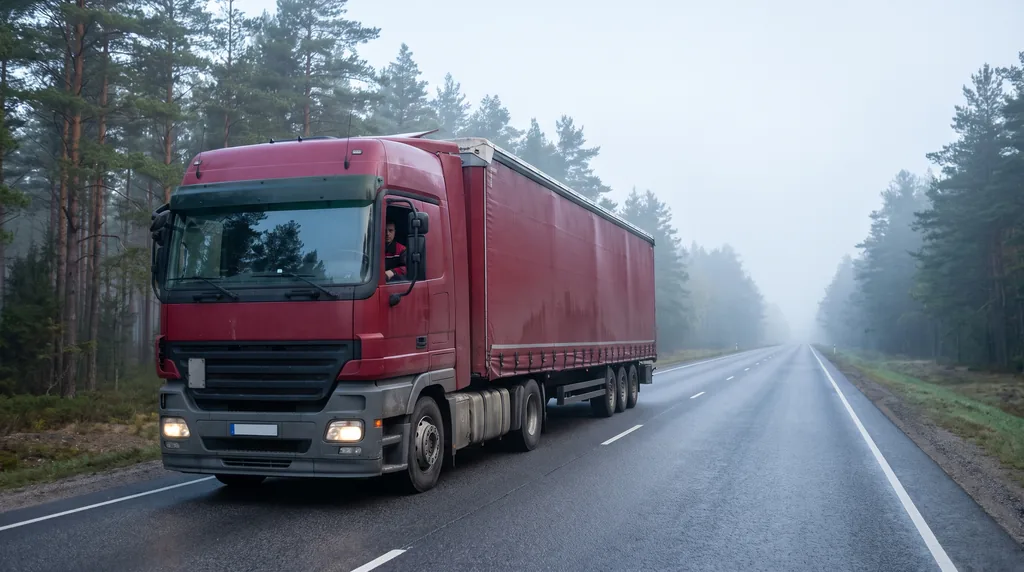
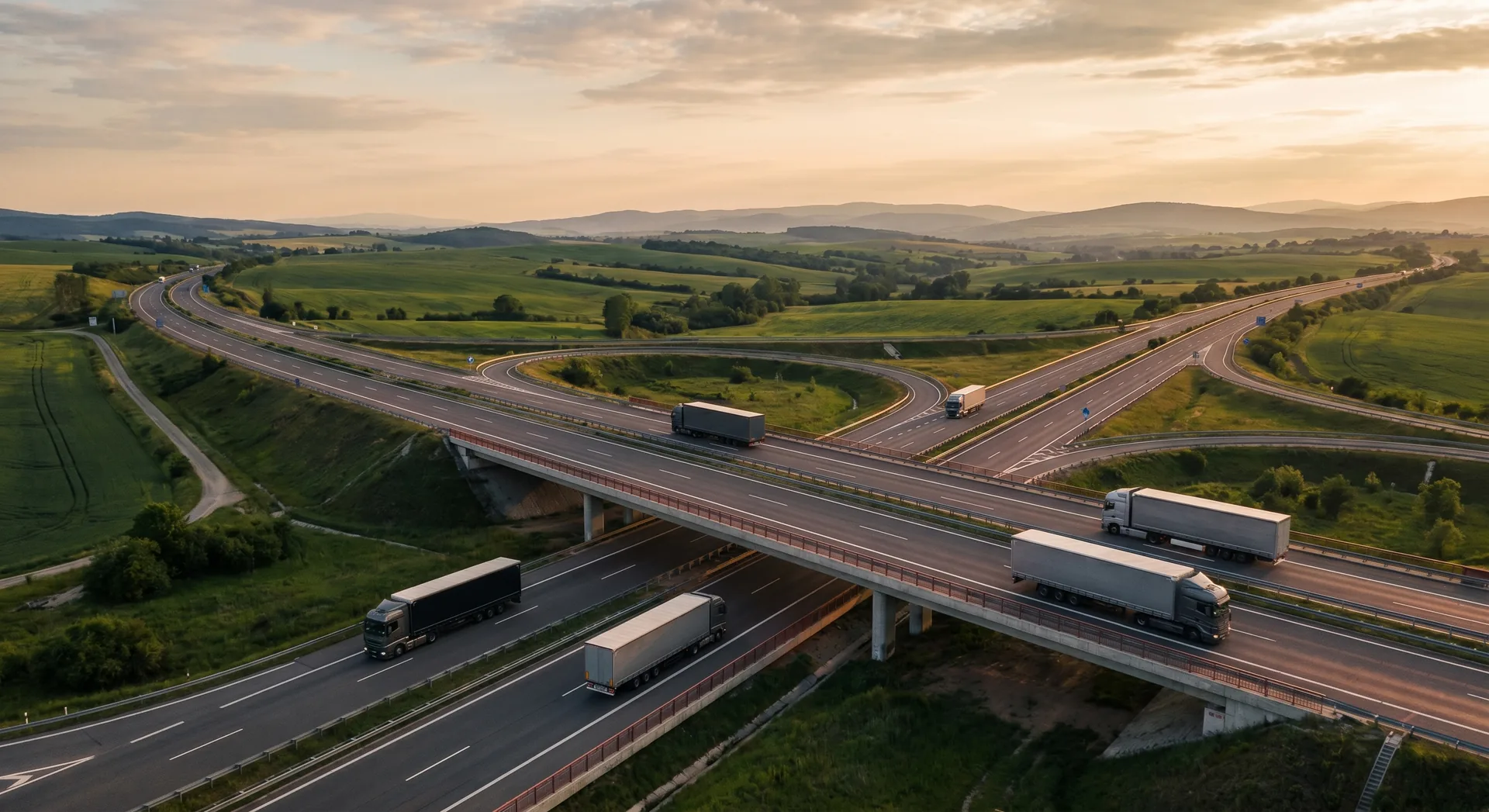
We usually run loads to Latvia along the Via Baltica corridor: from Poland through Lithuania, bypassing the Kaliningrad enclave, up to the Lithuanian and Latvian border and then deeper into the country. It is an overland route, so it does not depend on ferry schedules or on a terminal queue. Transit time depends on the loading point in Poland, the delivery point in Latvia, the consignee time windows and the driving bans on the way, so the forwarder confirms a real date at quotation rather than up front. The most frequent destinations:
- Riga: the capital and the country largest logistics hub, with its port and warehousing.
- Daugavpils: eastern Latvia, close to the border with Lithuania and Belarus.
- Liepaja and Ventspils: ports on the Baltic, important for transhipment cargo.
- Jelgava: an industrial centre south of Riga.
We plan each point in advance so the cargo travels the shortest sensible way, rather than adding kilometres through a badly ordered set of drops.
FTL or part loads to Latvia
The choice between a full vehicle and groupage drives both the cost and the delivery time, so we settle it at the start:
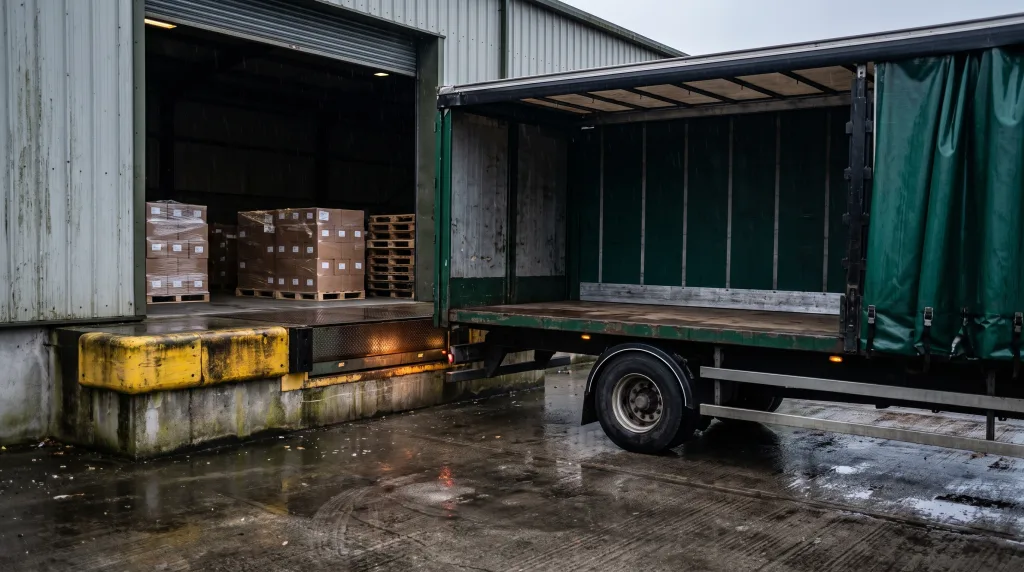
- FTL, full truck load: when the goods fill the trailer, or when a direct run with no transhipment matters. The truck goes from sender straight to consignee, which shortens the time and limits handling of the cargo.
- LTL and part loads: when the shipment is a few pallets. The client pays for the space taken, and we consolidate the load with others on the same Baltic direction. A cheaper option for smaller batches, at the cost of a slightly longer time due to consolidation.
If it is not clear which option pays off, the forwarder advises once you give the pallet count, weight and dimensions. We also handle loads that call for ADR, temperature-controlled transport and oversized freight planned around a specific route and vehicle.
The role of the ports: Riga and Ventspils
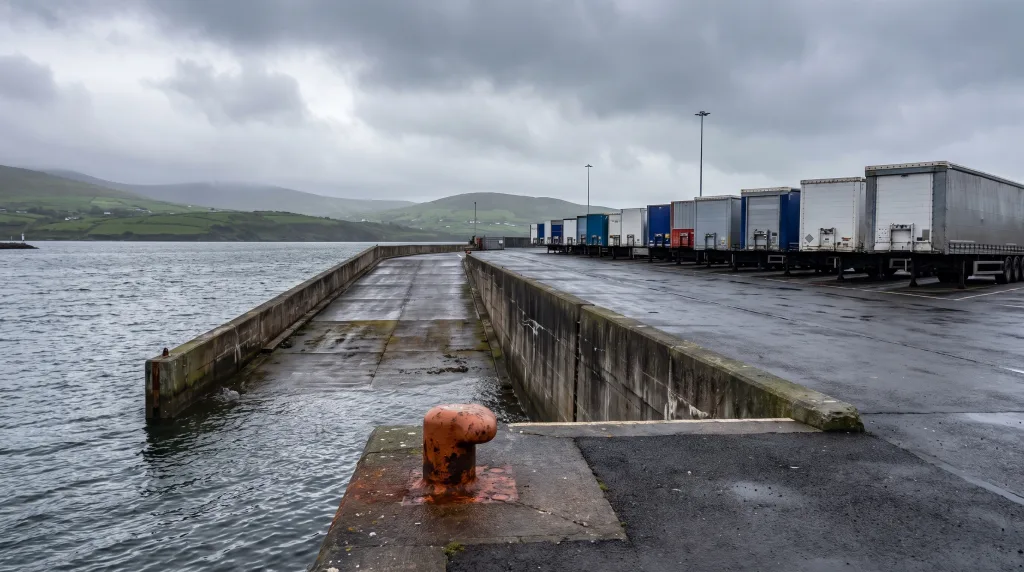
Latvia is a direction where the port plays a large role. We link the terminals in Riga and Ventspils with onward logistics for overseas cargo, so road transport becomes the link between the quayside and the consignee warehouse deeper in Europe. A container arriving at the port we carry onward overland, or the other way round: goods from a factory in Central Europe we bring in for loading onto a vessel. On such flows the timing of the port booking and the vehicle call has to match, so the cargo does not wait on the quay nor the truck at the terminal gate.
Driving bans and planning delivery windows
On the Baltic routes, as across Europe, HGV driving bans apply on selected days, mainly Sundays and public holidays, and in season on some Saturdays too. A badly planned arrival means the set stands still instead of covering ground, so we lay out delivery windows in advance, taking in the days off along the way and the consignee receiving hours. For deliveries to industrial plants we account for booking slots and unloading requirements, so the truck does not leave the ramp empty-handed.
What OTSL arranges
We run the carriage to Latvia from order to unloading under one point of contact, without scattering responsibility across several subcontractors. Within the order we pick the mode of carriage, plan the Via Baltica route around the driving bans, keep the transport documents in order and, where the load calls for it, add ADR, reefer or oversized handling. For a quote we need the description of the goods, dimensions, weight and the loading and delivery points. The main contact channel is the form, and the reply carries the mode of carriage and an indicative date.
See also
- Transport to the Baltic states: Lithuania, Latvia and Estonia via the Via Baltica
- FTL or LTL: when a full load pays off
- What makes up an FTL rate
- Groupage and part loads across Europe
- HGV driving bans in Europe
- Ferries to Scandinavia from Polish ports
- ADR transport, reefer, oversized loads
- All destinations and the contact form