 AI image
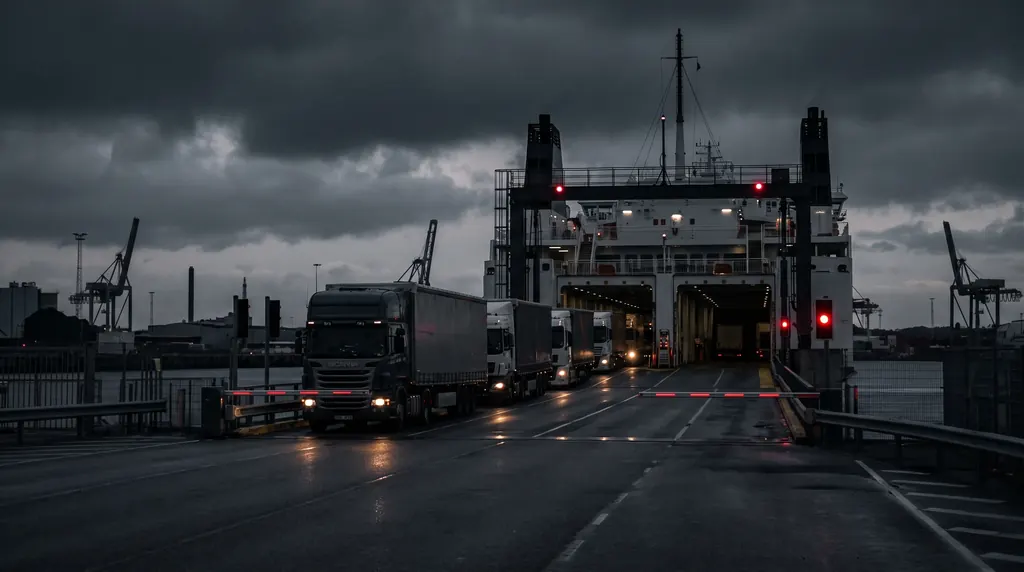
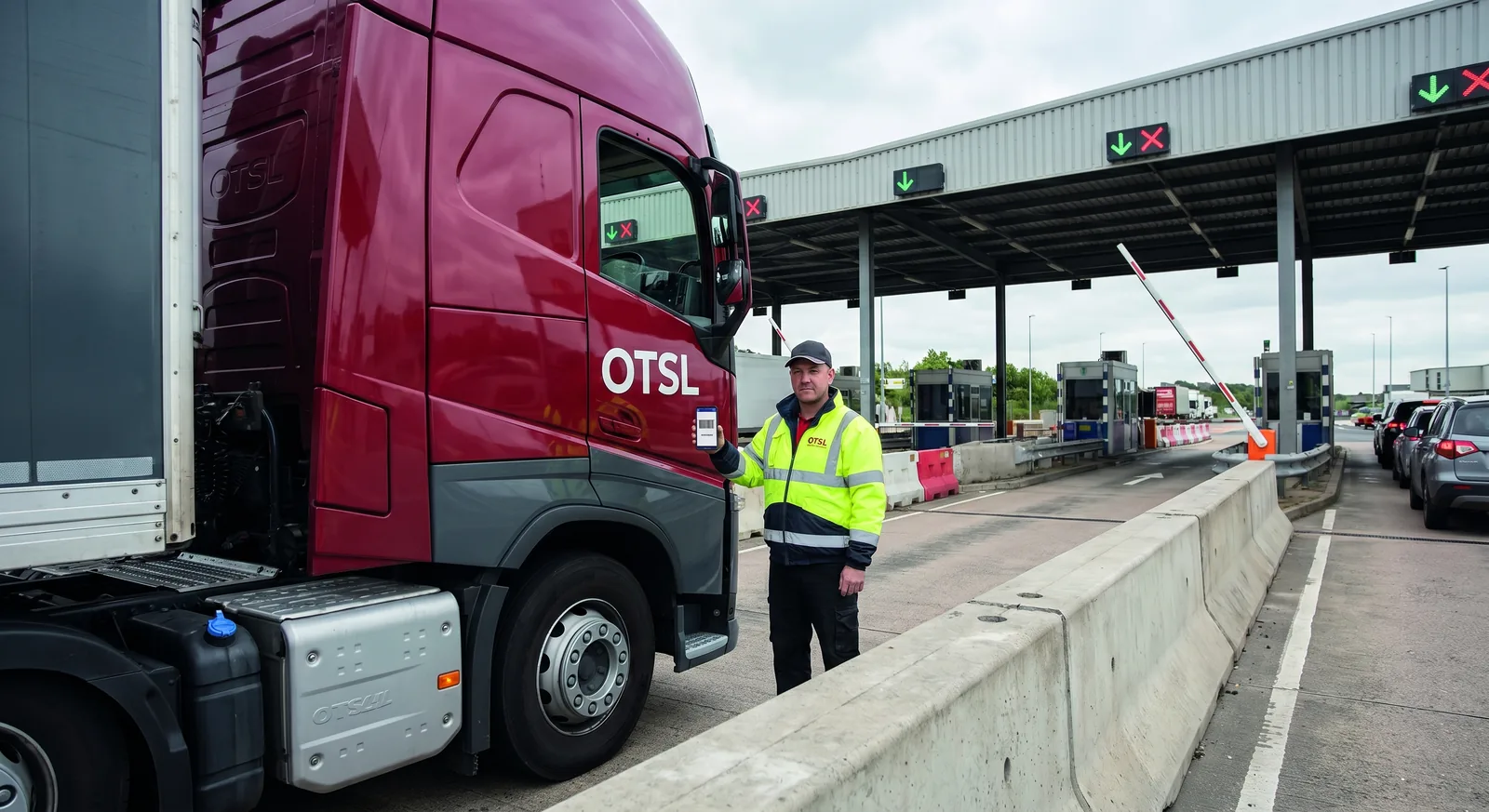
At the GB border the driver does not lodge customs declarations: the job is to carry a valid GMR number in the cab and present it at check-in. At Dunkirk and Calais the ferry operator checks the number at the desk; at Eurotunnel the GMR is verified automatically against the vehicle registration. Without a valid number the vehicle is not allowed onto the crossing, and on the British side the driver still has to check whether the movement was sent for an inspection.
Before departure: what must be in the cab
The GMR is prepared by the carrier or forwarder, not by the driver. The driver receives the number, on a phone or as a printout, and should not head for the terminal until it exists. How that number is built and which customs declarations go into it is covered in our guide GVMS and GMR step by step: preparing a movement for the UK border.
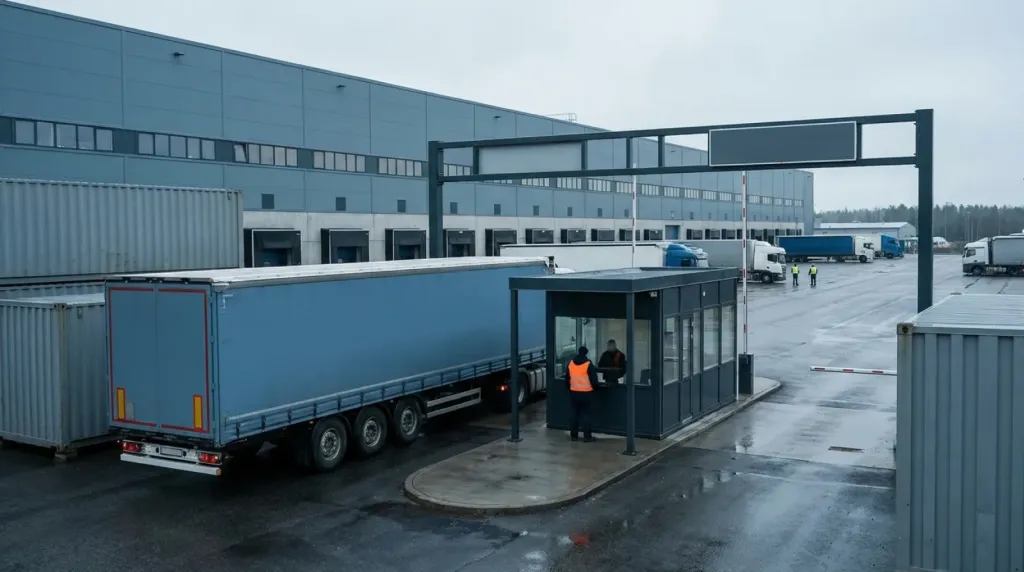
At the terminal: ferry and Eurotunnel
- Ferry (Dunkirk, Calais): at check-in the driver gives the GMR to the ferry operator. The system validates the number before the vehicle receives a boarding card.
- Eurotunnel (Coquelles-Folkestone): the number is checked automatically against the registration of the unit, so the GMR must match the plate that actually arrives.
- The registration must match: a GMR is tied to a specific unit. Swapping the tractor without updating the number ends in refusal at the terminal.
After arrival in GB: route or inspection
GVMS decides whether the vehicle continues or must report for a check, for example at an inland border facility. The driver checks the status before leaving the terminal and does not head for the consignee until the movement is cleared. Ignoring a call for inspection is a real problem for the carrier and the importer, not a formality.
How do we work at OTSL?
We have our own customs agencies in Poland and the UK, so declarations, the GMR and the crossing are one process, run by one responsible contact. We mostly use the Dunkirk-Dover route and plan it so the border does not eat the scheduled time. See customs clearance, ELO, ENS, GMR and transport to the United Kingdom.
What should you do if the GVMS shows "Attention Required" after disembarking in the UK?
When your ferry docks or the Eurotunnel shuttle arrives in Folkestone, you have exactly 15 minutes to check the GMR status on the online service. If the system displays an inspection requirement, you must not drive directly to the consignee. You must divert your vehicle to the designated Inland Border Facility (IBF), which is located approximately 40 kilometres from the Port of Dover. You have a maximum of 3 hours from leaving the port area to report to the facility, and failing to meet this deadline risks a block on the carrier's EORI (Economic Operators Registration and Identification) number.
At the IBF, border officials verify physical paperwork against the entry summary declarations. Keep the following operational rules in mind during your stop:
- 100 percent of goods moving under the T1 transit procedure require physical transit discharge and presentation of the TAD before unloading.
- For groupage consignments over 12 pallets or weighing more than 1500 kilograms, waiting times for physical examination can extend by up to 4 hours.
Boundary of application: The requirement to report to an IBF does not apply to unladen vehicles or movements carrying 0 kilograms of cargo (empty runs), provided that an empty movement was declared in the system. This rule also does not apply to goods transported under an ATA (Admission Temporaire, the temporary admission document) Carnet, where processing takes place directly at the port customs office before you exit the terminal precinct.
Step by step
- Receiving the GMR number. The carrier or forwarder provides the driver with the GMR number in digital or print format before heading to the terminal.
- Verifying cab documentation. The driver ensures that the GMR number is valid and matches the vehicle registration and load.
- Terminal check-in. At Dunkirk and Calais ports the driver presents the GMR to ferry staff, while Eurotunnel verifies it automatically.
- Border crossing. The vehicle boards the ferry or train only after successful verification of the GMR number.
- Post-arrival status check. Upon reaching Great Britain, the driver checks the system status to see if the movement was directed for customs inspection.
Definitions
- GVMS (Goods Vehicle Movement Service): The UK IT system used to link customs declarations to vehicle details for streamlined border clearances.
- GMR (Goods Movement Reference): A unique reference number generated in the GVMS system that links all customs declarations for a crossing.
- Eurotunnel: The Channel Tunnel rail link where GMR verification takes place automatically upon vehicle registration.
- Check-in: The check point at the ferry or rail terminal where the driver presents the GMR number before boarding.
The OTSL role
When organising Channel crossings, OTSL ensures that drivers receive a valid GMR number well before reaching the port. We handle customs coordination alongside services like ferry booking, and if you want to compare routes, read our article on Dover-Calais or the east coast ports.