 AI image
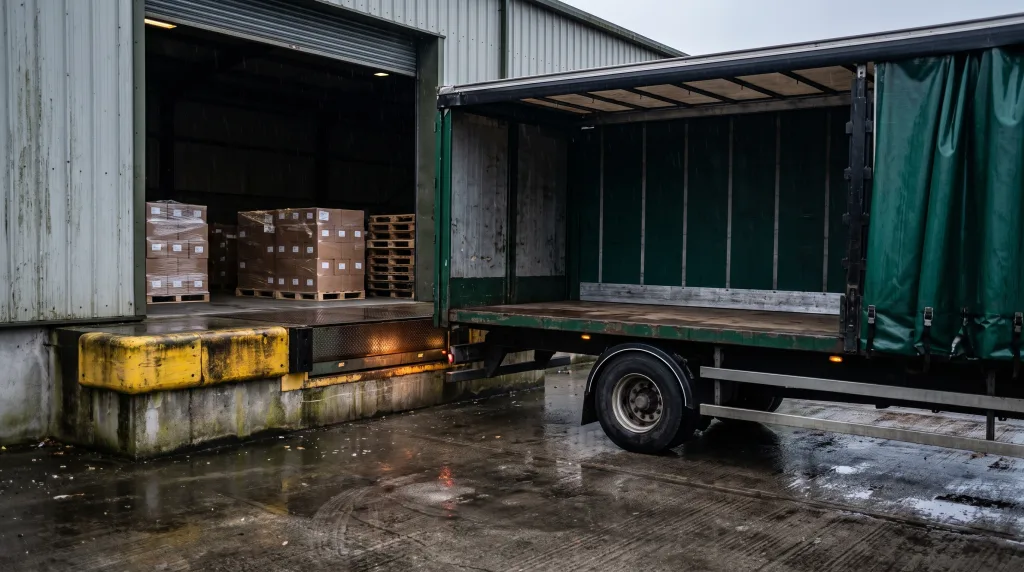
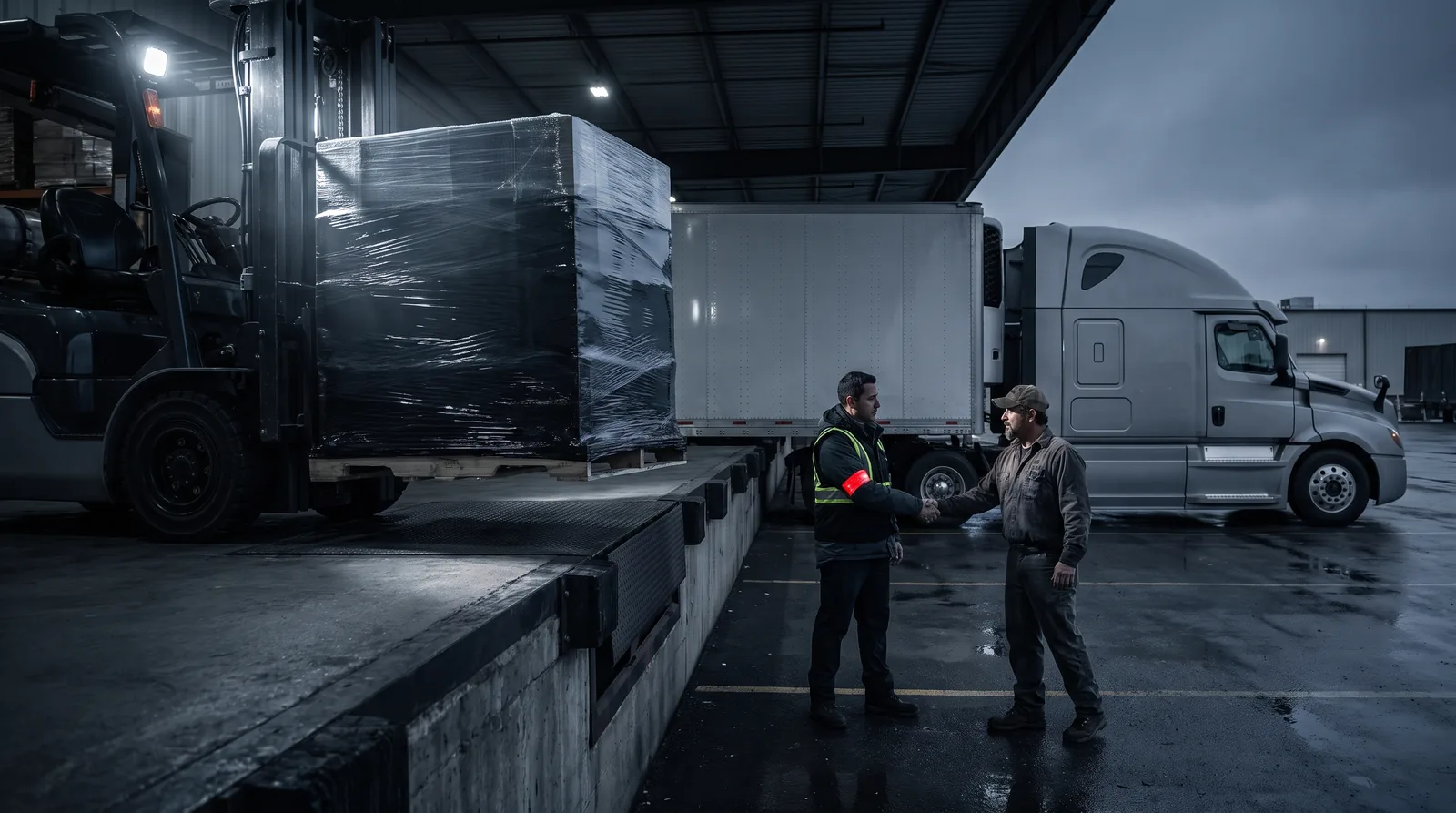
As a rule, the loader (consignor) is liable for loading and stowing goods, and the consignee for unloading. The driver is responsible for safe carriage and securing the load in transit. This line blurs when there is no dock, a tail lift or a crane, which is why we agree site conditions before the truck leaves.
Three parties, three scopes of liability
The loader must pack, mark and present the goods correctly. The carrier accepts the load and enters reservations in the consignment note if packaging or stowage is defective. The consignee provides a workable unloading point: space, equipment and people. The CMR Convention gives the consignee 7 days to report non-apparent damage; after that, pursuing a claim is far harder. (source: unece.org) Whoever stays silent on receipt usually pays alone.
Who secures the load in transit
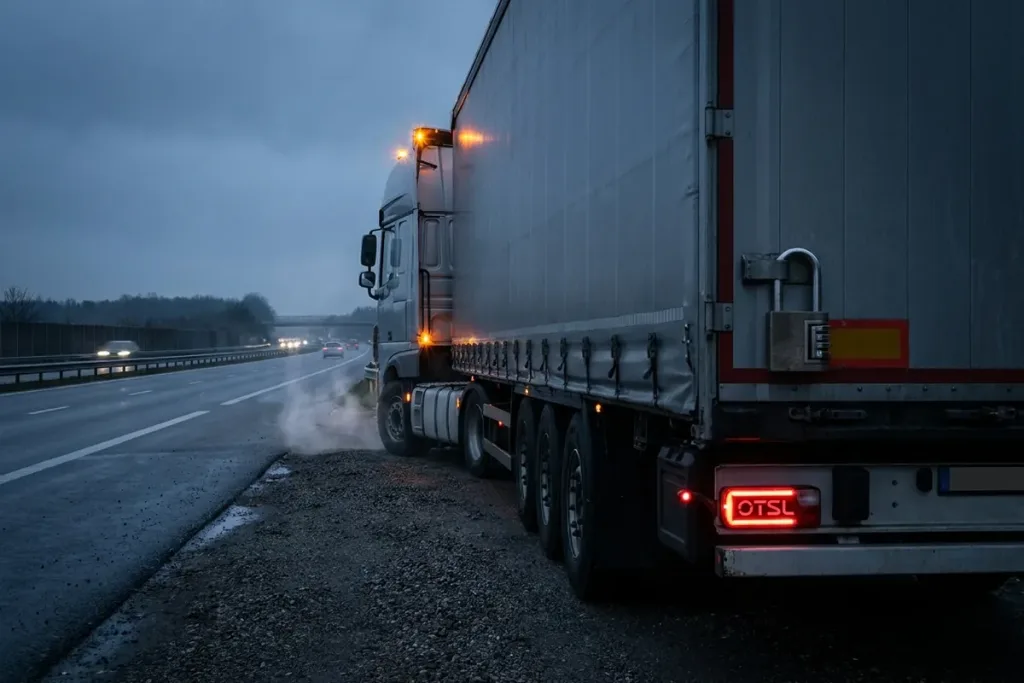
Positioning and securing on the trailer is shared ground. The loader distributes the mass, but the driver has the right and duty to refuse a load that shifts or overloads an axle. If the driver signs the CMR without remarks and the cargo topples in transit, the fault dispute can drag on for months. For difficult freight we rely on verified carriers who know when to record a reservation.
Tail lift, crane and delivery without a dock
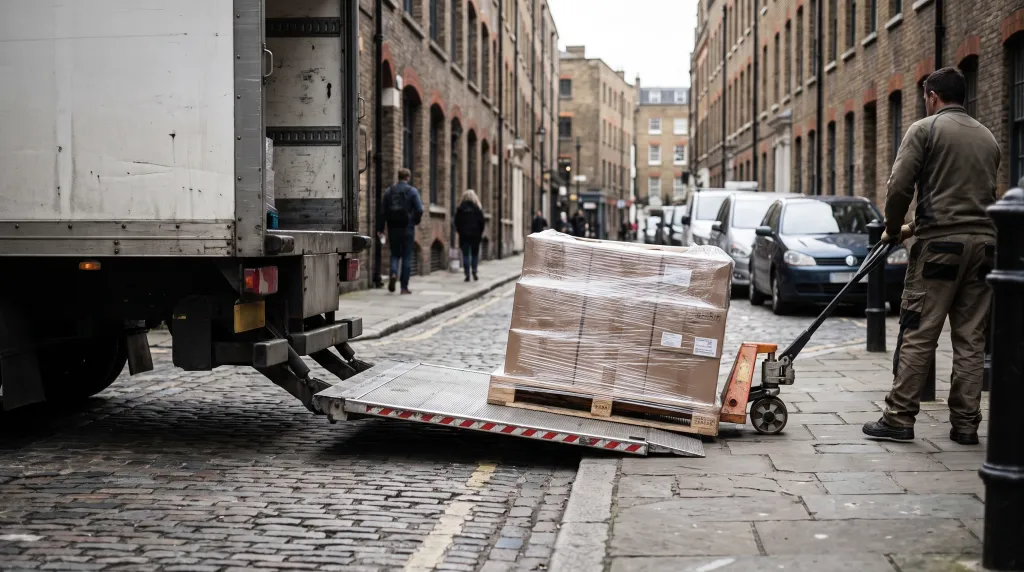
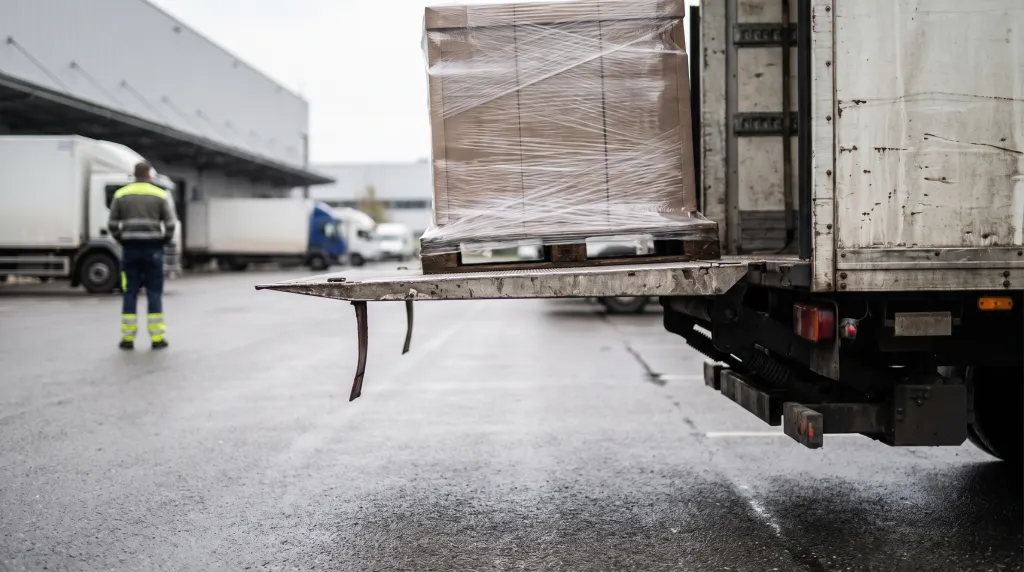
Most damage happens where there is no dock. A tail lift and a truck-mounted crane are the driver's tools to bring a pallet off the vehicle, not to carry goods deep into the customer's warehouse. If the consignee has no forklift, firm ground or people, the pallet lands at the kerb, and that is often where carrier liability ends. Heavy or awkward items are a separate topic we handle under oversized loads. Agreeing upfront who handles the last metre saves disputes at the truck.
How does OTSL prevent this?
We agree site conditions before the truck leaves: access, dock, whether a tail lift or crane is needed, and the equipment and people on the consignee side. We brief the driver on when to enter a CMR reservation and track the 7-day window for hidden damage. We also advise adequate cargo insurance, because the CMR liability limit (calculated in SDR per kilogram) often falls short of the real value of the goods. One coordinator runs the case from the loading yard to unloading.
When does the driver have the right to refuse to assist with unloading?
When a vehicle arrives at a site without a loading bay, consignees often expect the driver to unload 33 pallets using the tail lift. However, the driver is responsible solely for operating the tail lift mechanism itself, which typically has a working load limit of up to 1000 kg. If the weight of a single pallet exceeds 750 kg and there is no powered pallet truck on site, moving such a load with a manual pump truck over uneven ground creates a severe hazard. If the ground gradient exceeds 5%, the driver is entitled to halt operations until the consignee provides suitable handling equipment.
The standard free time for unloading a vehicle with a gross payload of up to 24000 kg is 2 hours from the booking-in time. If unloading is delayed due to a lack of forklifts or staff on the consignee's side, demurrage charges apply after this window, determined by the rate specified in the transport contract. Remember that exceeding the driver's permitted duty time by even 15 minutes due to unloading delays can lead to severe penalties during roadside enforcement inspections.
These limitations DO NOT apply under two specific conditions:
- When a paid driver assistance service with specified handling equipment has been explicitly agreed in the consignment note or transport order prior to transit.
- When delivery takes place on an active construction site where health and safety responsibilities are governed by a separate site handover protocol.
Step by step
- Confirm site conditions. Check whether a loading dock or special handling equipment is required before dispatch.
- Pack cargo safely. Secure items properly on pallets and attach clear labels before handing over the shipment.
- Note reservations. Record any observed packaging defects directly in the consignment note upon handover.
- Restrain load in transit. Ensure the cargo is correctly positioned and secured on the trailer throughout the journey.
- Report damages promptly. Inspect goods at delivery and notify any non-apparent damage within the designated timeframe.
Definitions
- Consignor (Loader): The party responsible for correctly packing, labelling, and handing over goods for transport.
- Consignee: The party entitled to receive the goods and responsible for providing a suitable unloading point.
- Carrier: The transport provider responsible for the safe carriage and securing of the cargo during transit.
- CMR (Convention on the Contract for the International Carriage of Goods by Road): An international treaty setting standard terms for road freight contracts and liability limits.
- Tail lift: A hydraulic lifting device fitted to the rear of a vehicle used for loading and unloading without a dock.
When does this rule not apply?
The standard division of loading and unloading responsibility does not apply when site conditions lack a loading dock or require a tail lift, or unless specific contractual terms transfer these duties to the carrier.
The OTSL role
We clarify access conditions and handling equipment details before dispatch to prevent liability disputes during cargo handling. We organise efficient road transport and align operations with principles regarding cargo securing liability.