 AI image
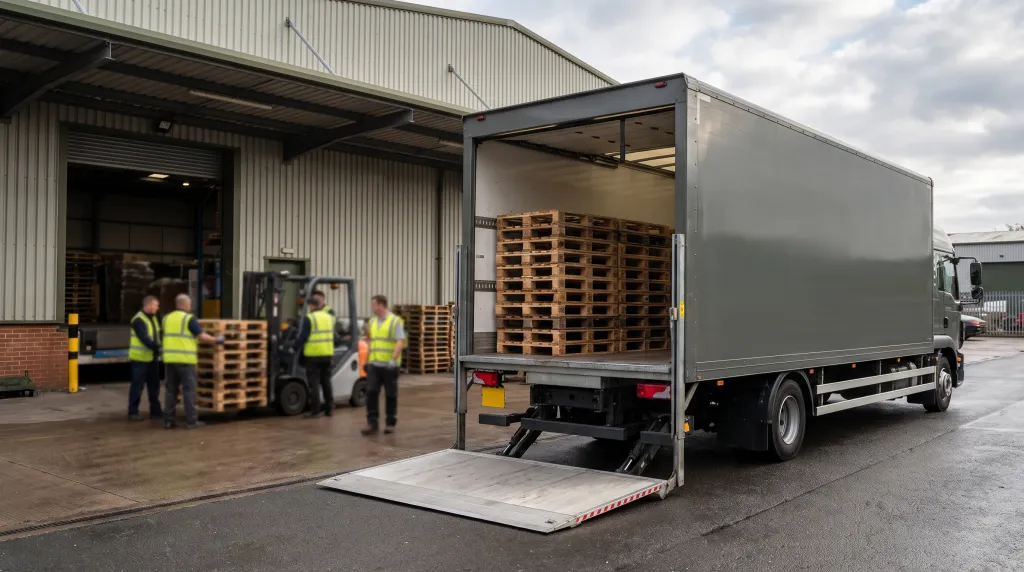
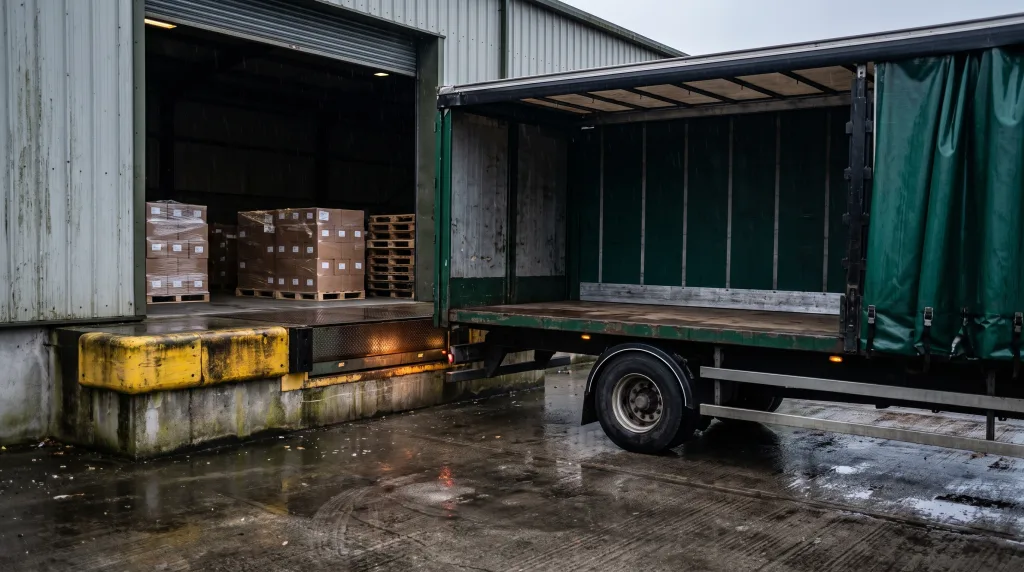
As a rule the sender is responsible for loading and stowing the goods, and the driver for the vehicle with its load being safe on the road. Article 17(4) of the CMR Convention relieves the carrier of liability for damage arising from loading or stowage performed by the sender. (source: unece.org) In practice the line gets blurry, so the split of duties belongs explicitly in the transport order.
What the CMR Convention says
Article 17(4) of the convention lists circumstances that relieve the carrier, among them handling, loading, stowage or unloading of the goods by the sender or the consignee. The relief is not automatic though: it must be shown that the damage could result from that very cause. If the goods shifted because the driver never tensioned the straps, the sender's faulty loading will not help the carrier at all. The full text of the convention is at CMR Convention.
What does the road say?
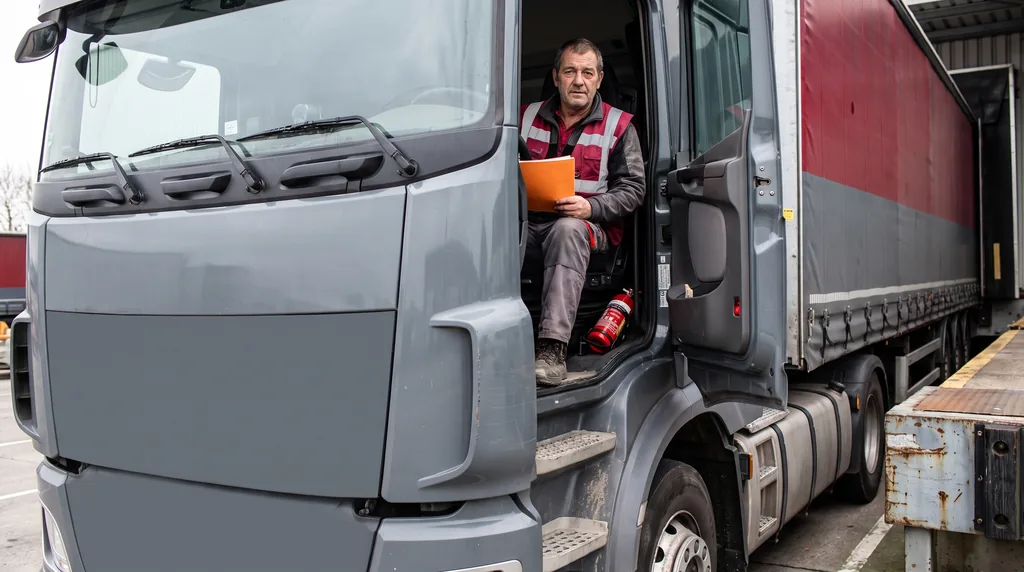
Regardless of how the convention allocates the damage, on the road the driver and the carrier answer for the state of the vehicle with its load. A roadside inspection can hold a badly secured combination until the securing is fixed, which means standstill, fines and a delivery date to rebuild. That is why the driver is entitled to refuse to drive with cargo that cannot be carried safely. More than that: he is obliged to.
The practical split of duties
- The sender: packaging, palletisation, stowage of the goods in the trailer, and information about weight and centre of gravity.
- The driver: securing with straps, checking axle load distribution, re-checking the cargo after the first kilometres.
- Both parties: writing the split of duties into the transport order before anything moves.
Equipment and the EN 12195-1 standard
Securing is not improvisation but calculation: the number and routing of straps follow from the cargo weight, the friction coefficient and the directions of the forces, per the EN 12195-1 standard. In practice the work is done by lashing straps, anti-slip mats that raise friction, edge protectors that shield both the goods and the strap, locking bars and stanchions. How many straps is decided by the calculation, not by habit.
Reservations: write before you roll
If the driver could not supervise the loading, or sees a risk in how the goods are stowed, the reservation belongs in box 18 of the CMR note before departure. How to keep the transport document straight is covered step by step in how to fill in a CMR note.
If damage happens anyway
Documentation decides: photos from loading and unloading, entries in the note, a damage report. The dispute over whether stowage or securing failed is settled with evidence, not by whoever shouts loudest. In our vehicle sets a full complement of straps and mats is standard equipment in road transport, and for high-value cargo the limits of carrier liability are best closed with a policy from cargo insurance. Remember too that in groupage the goods are re-secured after every transhipment, so solid packaging works double shifts there.
Step by step
- Setting contractual terms. Define clearly in the transport order who handles loading and stowage.
- Inspecting the goods. Verify that the packaging shows no signs of damage prior to loading.
- Correct stowage. Position the load inside the vehicle following axle weight distribution rules.
- Securing with straps. Apply suitable lashing straps and anti-slip mats to hold the load in place.
- En-route monitoring. Inspect load stability and strap tension regularly during transit.
Definitions
- CMR Convention: United Nations convention relative to the contract for the international carriage of goods by road.
- Sender: The party handing over goods for transport and responsible for their proper loading.
- Carrier: The transport provider responsible for ensuring vehicle safety on the road.
- Stowage: The positioning of goods within the cargo area to prevent movement during transport.
When does this rule not apply?
The rule does not apply if the damage was caused by the driver failing to check and re-tension the lashing straps during transit.
The OTSL role
We clarify loading duties explicitly within transport orders to avoid liability disputes between senders and drivers. Discover our road transport options and read our guide on pallets and load securing in international transport.