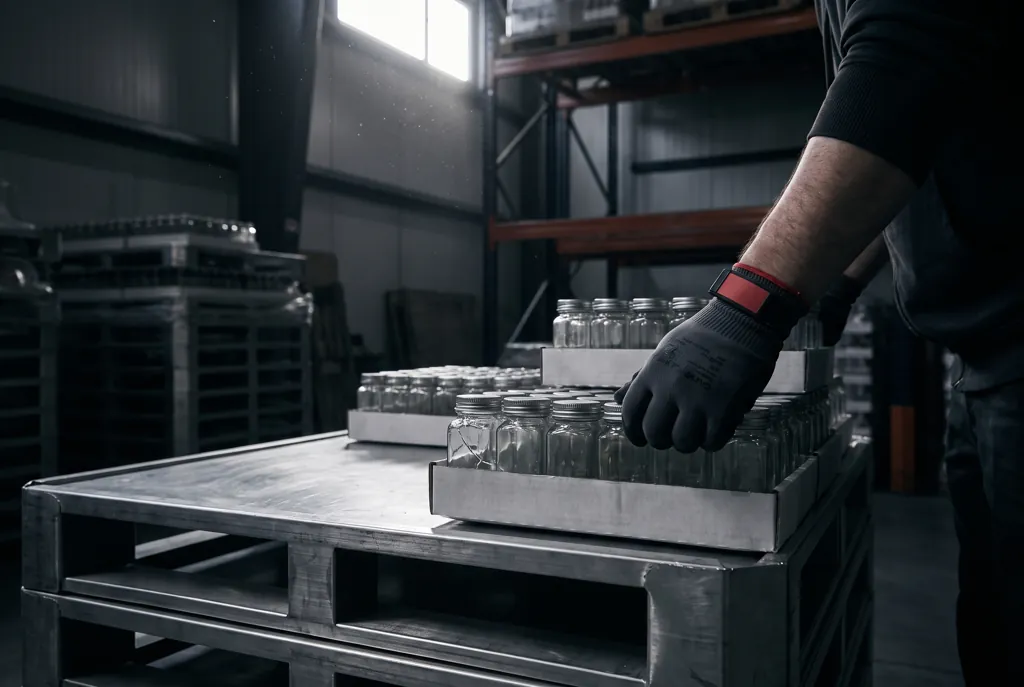
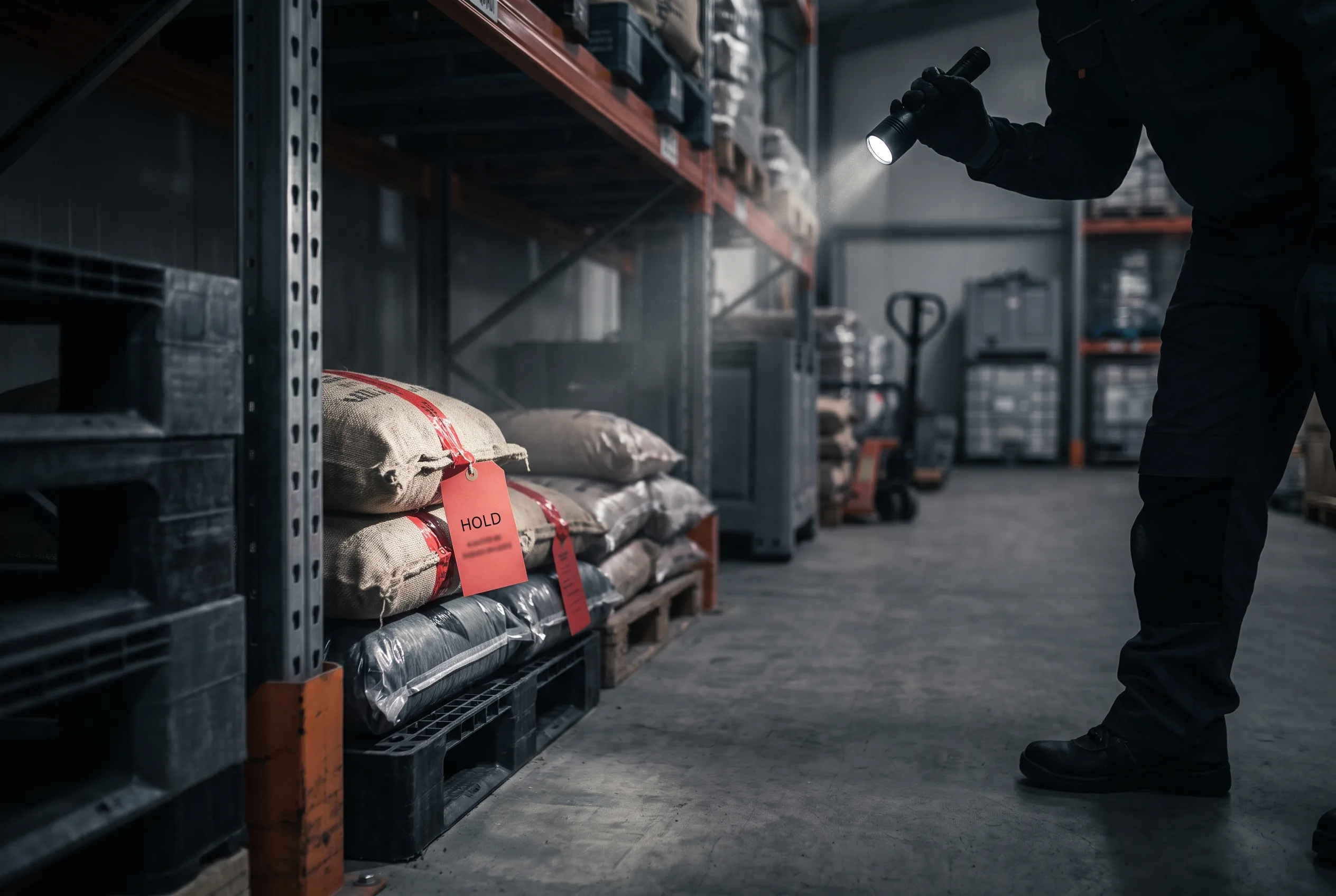
 AI image
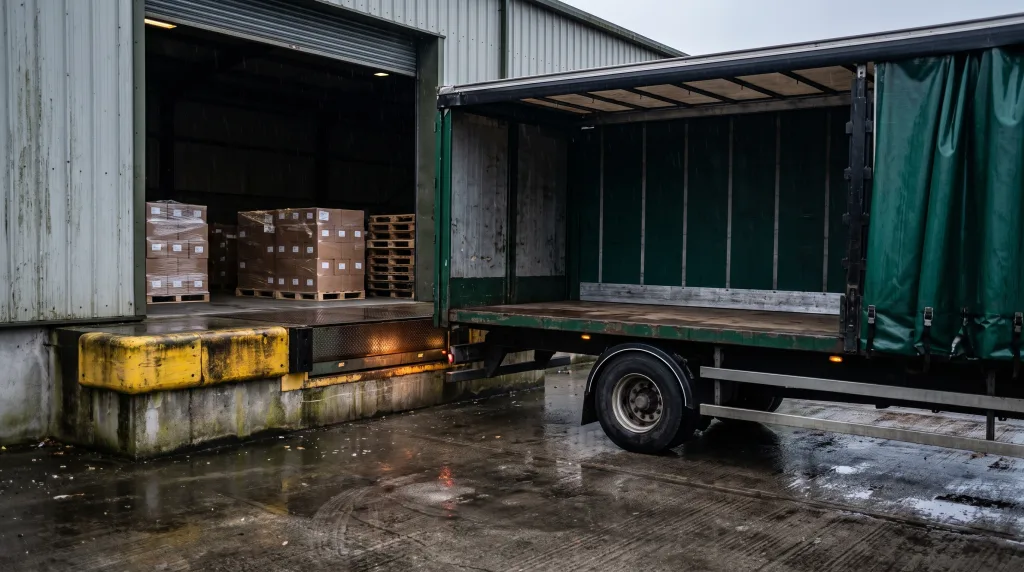
A curtain-sided trailer carrying 26 pallets of flour products was turned away at a distribution centre in the Midlands after goods-in staff found signs of pest activity in the load. Our recovery team inspected the trailer pallet by pallet, segregated the affected stock, arranged certified disposal for it and stabilised the clean portion for onward delivery, all within the same operational window.
Situation
Flour is one of the most vulnerable products in food logistics. Beetles and rodents get in through damaged outer packaging, and once pest activity is suspected anywhere in a trailer, the entire shipment becomes a high-risk load that no distribution centre will accept. That is what happened here: on arrival the warehouse team saw damaged packaging and evidence of pests, and the full load was rejected on the spot as contaminated.
For the sender this is the worst kind of rejection. The trailer stands with a load nobody wants, demurrage grows by the hour, and pushing a suspect food load to another delivery point is not an option, because a second rejection is worse than the first and leaves a compliance trail behind it.
What did we do?
The load came to our recovery team, which works 24/7 from the Milton Keynes warehouse. The first step was a full cargo contamination inspection: identifying which pallets showed pest activity, checking packaging integrity unit by unit, isolating anything with signs of exposure and assessing the cross-contamination risk to neighbouring pallets. Only after that assessment did the load stop being one big problem and become a series of clear decisions.
Based on the inspection the shipment was segregated into recoverable stock and stock beyond saving. The recoverable pallets were repositioned and stabilised for safe onward handling. The trailer interior was treated with UVC sterilisation before release. For the contaminated portion we arranged transport to an approved facility and certified disposal with full documentation.
Every stage was photographed and written up: inspection findings, segregation decisions, disposal certification and recovery records. The sender received a file that could go straight to the insurer.
Outcome
The contaminated goods were removed and disposed of in a compliant, documented way. The unaffected pallets were stabilised and continued through the supply chain. The hygiene risk was contained before it could spread into the distribution centre, and the operation closed within the same operational timeframe, so the trailer was released instead of standing for days.
What does this mean for shippers?
Pest contamination in a food load does not automatically mean the whole shipment is lost. It does mean that nobody downstream will touch the goods until someone inspects them properly and puts the decision in writing, pallet by pallet. Across our recovery work, more than 92 percent of the loads that come to us for recovery return to the supply chain. The difference between that outcome and a total write-off is usually speed: the sooner the load is isolated and inspected, the less product has to be condemned.
Have a rejected or suspect food load in the UK? See our cargo inspection and recovery services or describe the case in the contact form.
Step by step
- Notification of rejection. Receive confirmation of the refused entry from the warehouse and secure the rejection notice.
- Rerouting to facility. Direct the trailer to the nearest inspection site equipped for cargo handling.
- Detailed inspection. Check the shipment pallet by pallet for outer packaging damage and signs of contamination.
- Segregation and disposal. Separate the affected stock and arrange for its certified destruction.
- Securing and onward delivery. Restabilise the clean portion of the load and dispatch it to the final destination.
Definitions
- Delivery rejection: a distribution centre refusal to accept cargo due to detected defects or contamination.
- Cargo recovery: operational steps taken to save the undamaged portion of goods following a transport incident.
- Pallet segregation: detailed inspection and separation of contaminated load units from clean ones.
- Certified disposal: the safe and documented destruction process for contaminated food products.
When does this rule not apply?
This partial recovery procedure does not apply if health authority inspectors issue a total quarantine order or mandate full destruction of the entire trailer load without permitting pallet separation.
The OTSL role
When a delivery rejection occurs, we arrange immediate intervention using our Milton Keynes warehouse recovery base to inspect the cargo and provide dependable road transport for the clean stock onward. See also: Repackaging a food load after brine leakage, example scenario and Certified disposal of a rejected food load via anaerobic digestion, example scenario and A juice load that needed order, not refrigeration.