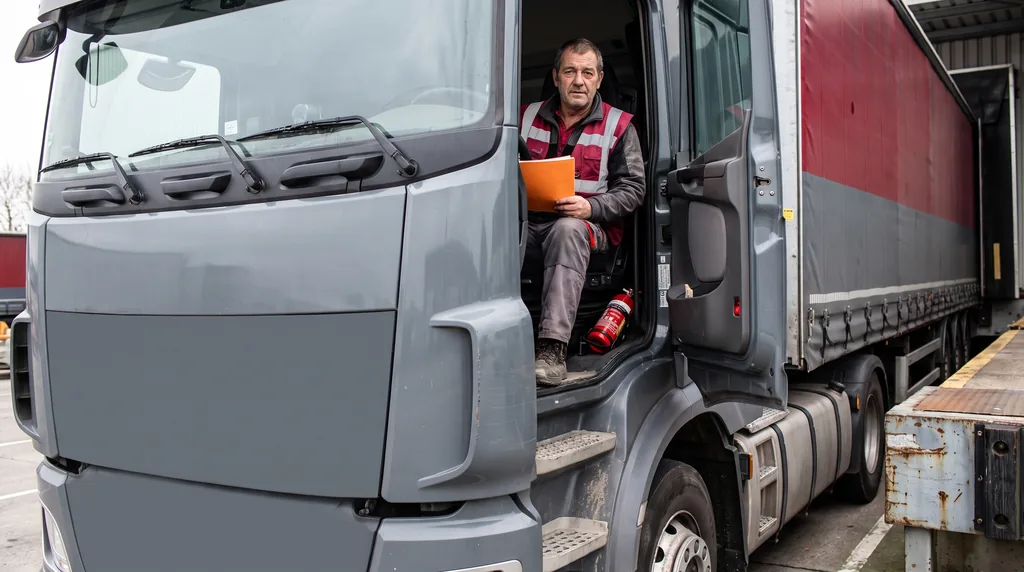
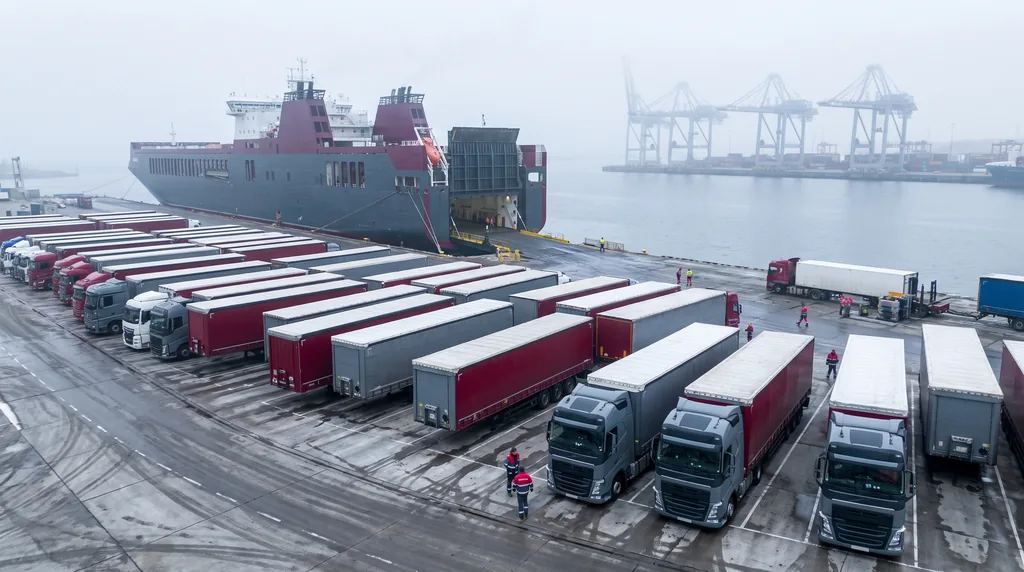
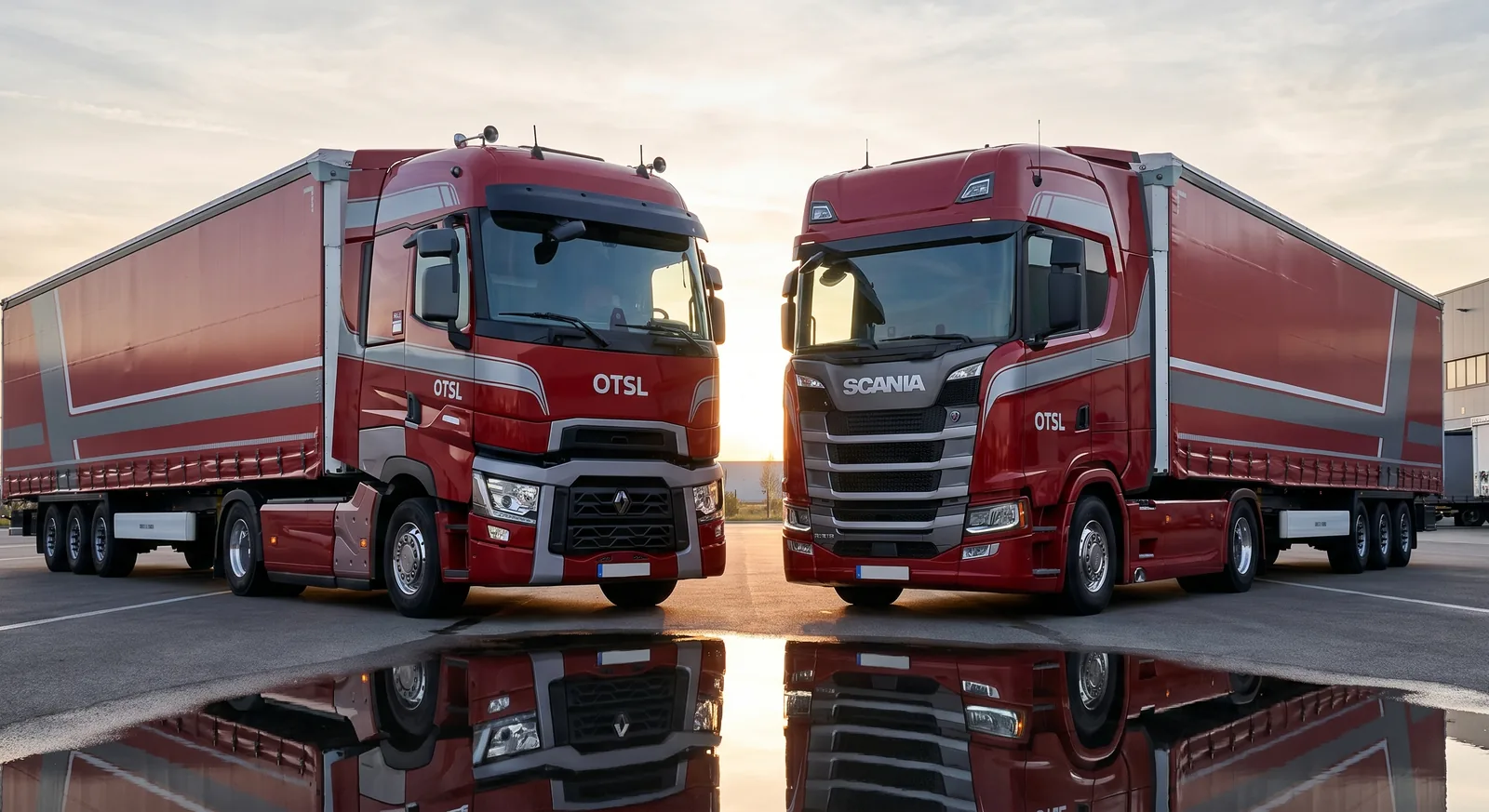
 AI image
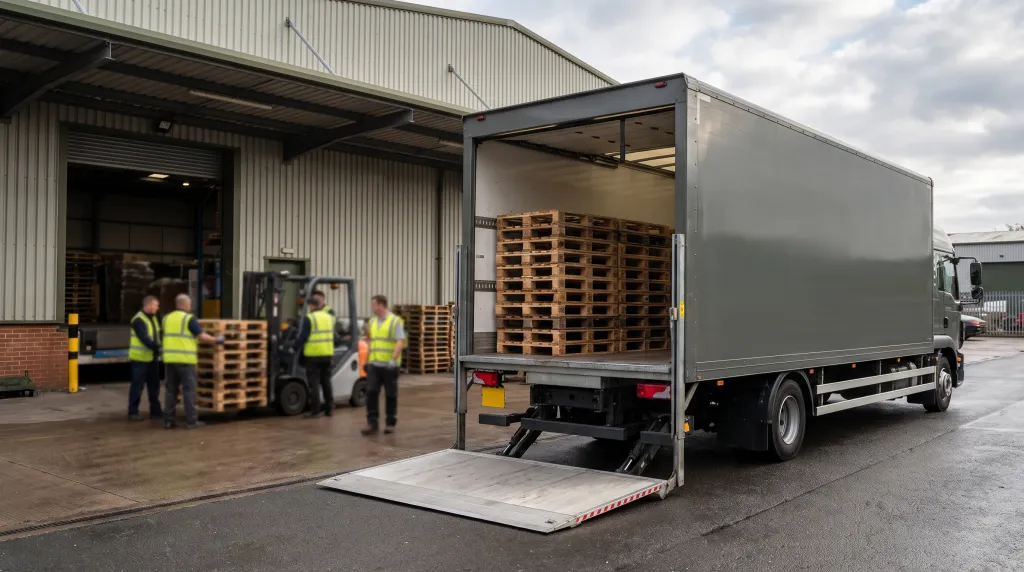
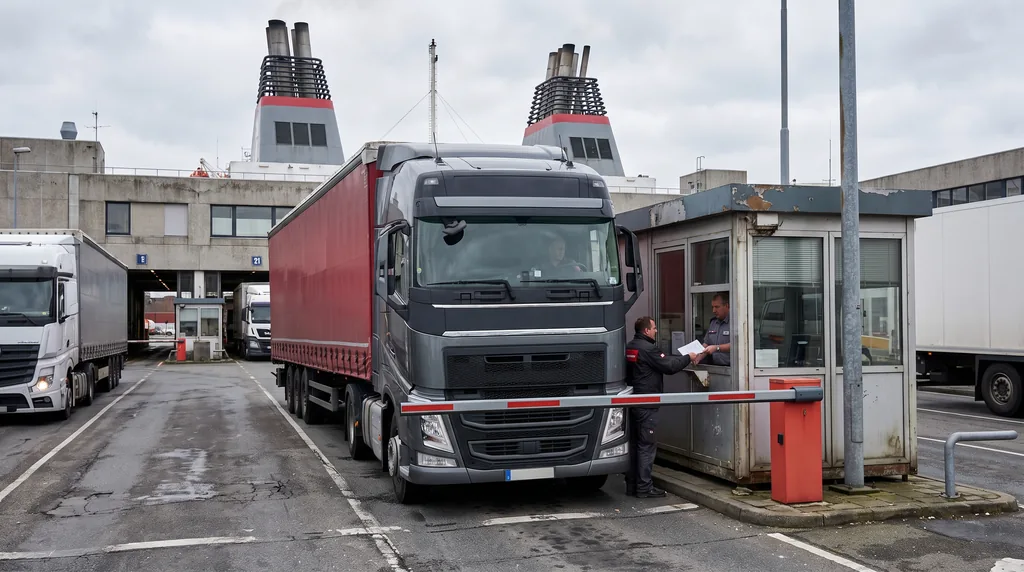
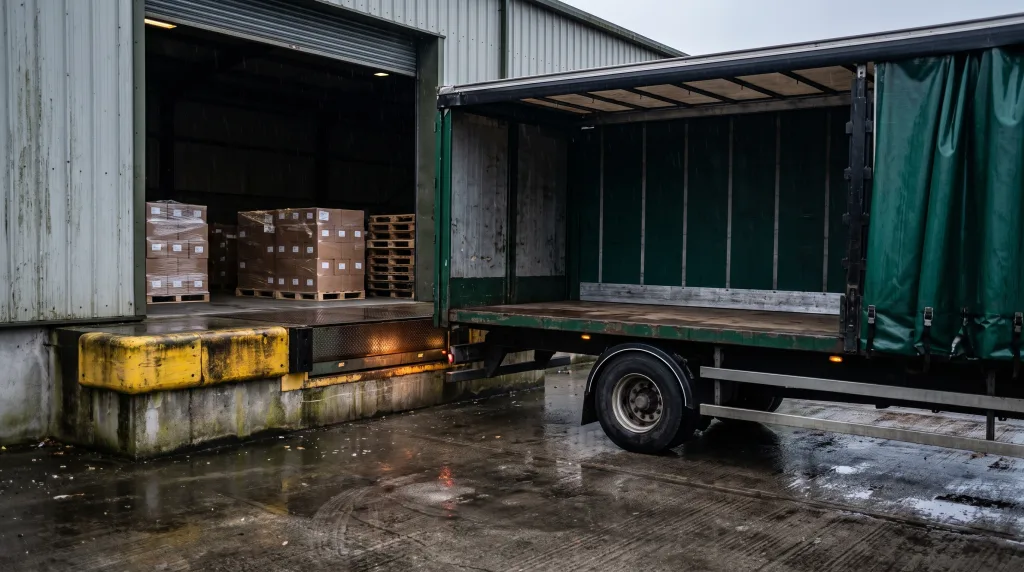
OTSL combines the fleet of an affiliated transport company with a group of vetted, regular carriers we vouch for. That lets us handle every type of load: from a single pallet, through full trucks, to oversized cargo and construction or agricultural machinery. We match the vehicle and the trailer type to the goods and the deadline, and one team runs the order from loading to unloading.
What do we drive and what we carry?
- Our own, well-maintained rigs, ready for international routes across Poland, the UK, Switzerland and the rest of Europe.
- Regular subcontractors in the OTSL network, vetted and held to our standards on every order.
- Full loads (FTL) and groupage (LTL), including ADR (dangerous goods transport) and temperature-controlled runs.
- Oversized cargo, construction and agricultural machinery on flatbeds and low-loaders, with permits arranged when the dimensions require them.
How do we match the vehicle, step by step?
- We collect the load data: dimensions, weight, pallet count or machine outline, and how it will be loaded (ramp, side loading, crane).
- We check what the goods require: temperature, ADR class, securing points, whether the cargo can be stacked.
- We choose the build: curtainsider, reefer, flatbed or low-loader; for part loads we pick co-loads that are safe neighbours for your goods.
- We decide whether an OTSL rig or a vetted subcontractor with the right equipment and insurance takes the job.
- We plan the route around the deadline, within the driving-time limits of Regulation (EC) No 561/2006.
- We track the run and confirm loading, border crossings and unloading.
How do we vet subcontractors?
We answer for a subcontractor as for ourselves: under Article 3 of the CMR Convention, the carrier is responsible for the acts of the persons whose services it uses as if they were its own. So before another company touches your goods, we check the Community licence (requirements of Regulations (EC) No 1071/2009 and 1072/2009), the validity and scope of the liability policy, the vehicle documents and the track record. We describe the process in our vetted carriers service. Who is liable for load securing, carrier or shipper, is covered in a separate guide.
Checklist: what to send for a quote
- Dimensions and weight, pallet count or a machine outline (no brand needed, dimensions and support points are enough).
- Loading and unloading conditions: ramp, forklift, crane, truck-mounted crane.
- Special requirements: ADR with the UN number, temperature range, no stacking.
- The deadline: a fixed date and hour, or a window.
- Documents: invoice, packing list, and for exports outside the EU the data needed for customs clearance.
The fuller the data, the lower the risk that the truck does not fit at loading. A mismatched vehicle means a lost loading window, a surcharge for a second vehicle and a missed date at the receiver.
The OTSL role
OTSL is an international road freight forwarder: we match the vehicle and the build, vet the carrier, watch the documents and the deadline, and react before a problem reaches the receiver. The core service is road transport FTL; for unusual dimensions see out-of-gauge loads. Describe your cargo through the contact form and you will get a specific vehicle and date, not a generic offer.
Definitions
- FTL (Full Truckload): A transport mode where the entire truck capacity is allocated to a single customer.
- LTL (Less than Truckload): A groupage shipping method that combines smaller consignments from multiple senders into one vehicle.
- ADR (Accord européen relatif au transport international des marchandises dangereuses par route): The international agreement governing the safe road transport of dangerous goods.
- Oversized cargo: Shipments that exceed standard legal weight or dimension limits for road vehicles.
- Low-loader: A specialized trailer with a lowered deck designed for carrying heavy construction or agricultural machinery.
When does this rule not apply?
Standard vehicle matching does not apply when machinery dimensions require special permits or escort vehicles, which depends on local transport regulations along the route.