 AI image
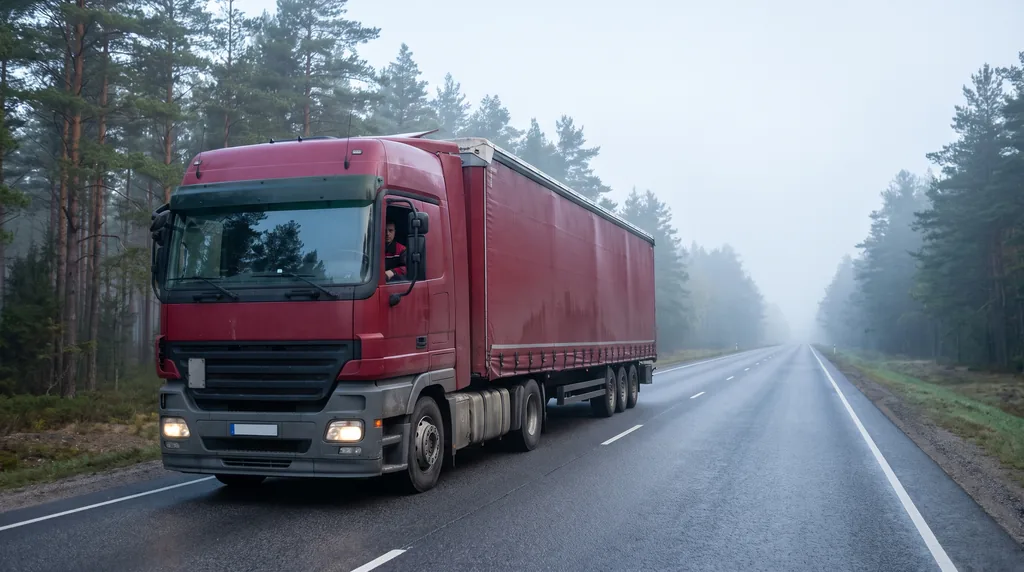
Transport to Estonia runs entirely by road, along the Baltic corridor through Lithuania and Latvia. Estonia is in the European Union, so EU goods travel with no customs clearance. OTSL runs FTL and LTL groupage with one forwarder in charge, from collection to unloading, including ferry crossings to the Estonian islands and on the Finnish direction.
How we run to Estonia from Poland
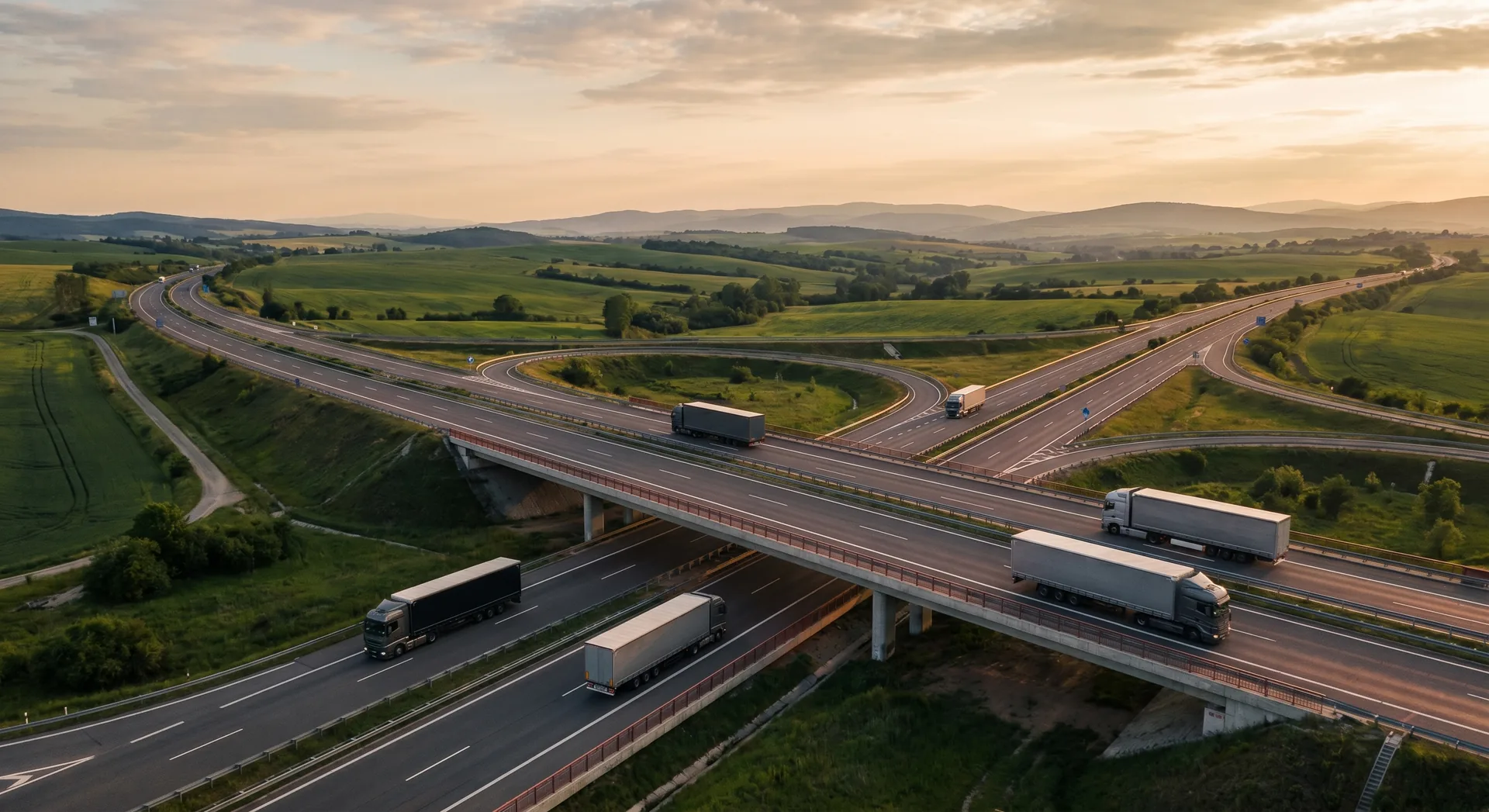
Estonia sits at the end of the Baltic corridor, so the trailer covers the whole route by land, in transit through Lithuania and Latvia, with no reloading on the way. It is an EU market, so for EU goods there is no customs clearance and no border to cross with customs paperwork. What matters instead is tight planning: transit time, driver hours, and the delivery windows at the receiver. We match the transport to the cargo, not the other way round:
- FTL, full trailer loads: tilts and combinations for full consignments, on regular export and import lanes.
- LTL and groupage: part loads from a single pallet, consolidated on the same Baltic direction.
- ADR: dangerous goods with complete documentation and trained drivers.
- Reefer: temperature-controlled loads, with a temperature log on request.
- Oversized: machinery and structures, with permits where required.
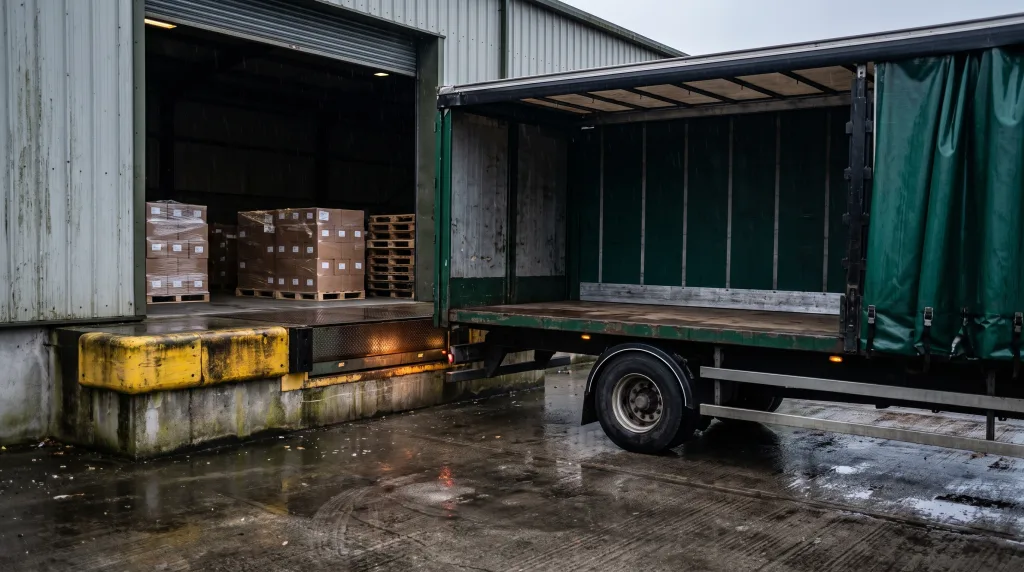
One forwarder runs the whole job, knows the order from collection to unloading, and stays the single point of contact throughout the carriage. Instead of passing the client between subcontractors, the same person watches the route, vehicle availability, and the booking-in at the receiver.
FTL or LTL groupage to Estonia
The choice between a full trailer and groupage decides both time and rate. FTL makes sense when the load fills the trailer or when the shortest transit matters with no consolidation stops: the truck runs point to point. LTL groupage is cheaper for smaller consignments, but the shipment shares the trailer with others and consolidation adds time. On the Baltic direction, over a long distance, that difference can be noticeable, so we pick the option for the specific job rather than in advance. For regular shipments we agree terms for the whole flow, not a single truck.
What is specific about this direction: Baltic and Nordic
Estonia is part of the Baltic market but leans strongly toward the Nordic region. Across the Gulf of Finland it is close to Finland, which shows in trade ties and in where the goods flow to and from. Estonia is also one of the most digital economies in Europe, with advanced e-government and a strong services sector, which makes formalities on the receiver side run smoothly. The delivery geography breaks down like this:
- Tallinn in the north acts as the port gateway and main economic hub.
- Tartu is the hinterland in the south, an academic and industrial centre.
- Narva lies at the eastern border of the country.
- Pärnu and Kohtla-Järve round out the pickup and delivery network beyond the largest cities.
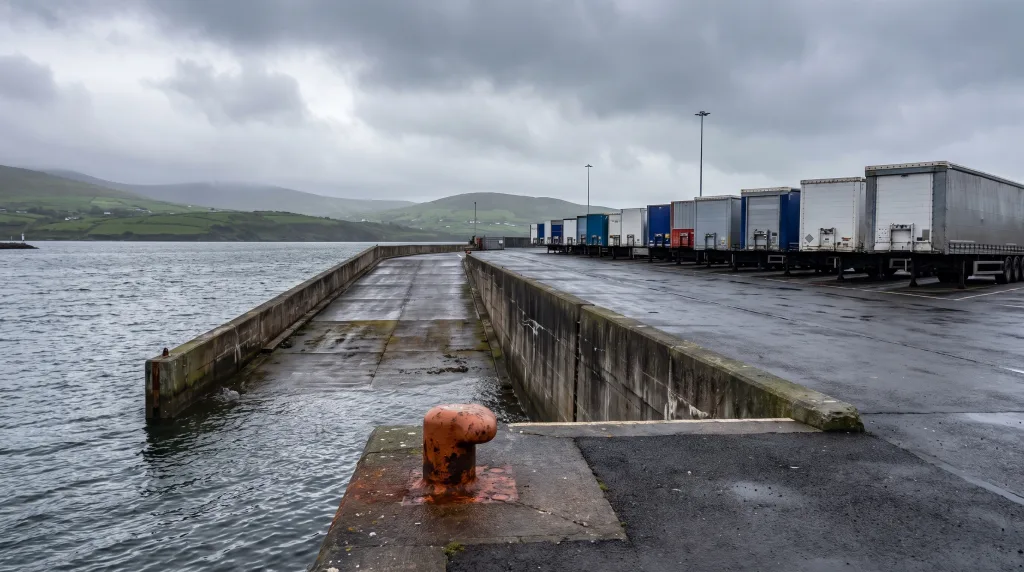
We factor this into the routing so that the land approach through Lithuania and Latvia stays coherent and the deadlines realistic. Deliveries to the Estonian islands, such as Saaremaa or Hiiumaa, need a ferry crossing, which we plan with a buffer for sailing schedules and weather.
Ferries to Finland and Scandinavia
Estonia's closeness to Finland means some loads run in connection with the Finnish and Scandinavian direction, where a ferry crossing is added. Tallinn is a natural transfer point in lanes toward Scandinavia, and we treat ferry sailings like any other part of the route: booked ahead and slotted into the plan so the truck does not wait in port longer than needed. On loads linking Estonia with Finland, Sweden, or the rest of the region, we set the route so the crossing does not stretch the delivery beyond need.
Driving bans and route planning
On the route through Lithuania, Latvia, and Estonia local truck restrictions apply, including driving bans on certain days and hours. A badly planned arrival means lost time even though the truck stands close to the ramp. So we plan delivery windows and driver breaks ahead, allowing for driving bans in the transit countries and the real time such a long lane takes. In winter, road conditions in the north add up, which we also factor in when confirming the date.
How long and how much transport to Estonia takes
Transit time depends on the lane, the type of cargo, and the delivery windows at the receiver, and along the way on driving bans in the transit countries and any ferry crossing. The rate is built from the freight, the chosen transport option, the cost of any island ferry, and additional handling if the load needs it. We break the details down in the quote so the client sees what they pay for. The forwarder confirms a real delivery date with the quote, rather than promising one detached from the route.
For the quote itself we need a description of the goods, dimensions, weight, collection and delivery places, and whether the delivery goes to an island that needs a ferry. On that basis the forwarder proposes the transport option, FTL or groupage, and points out what the sender needs to prepare.
How an order to Estonia works step by step
We start from an enquiry with the goods description, dimensions, weight, and the collection and delivery places. The forwarder confirms the quote with the cost breakdown and a real delivery date. During carriage the client gets status updates without chasing, and after delivery, confirmations. On a first shipment to the Baltic direction we walk the client through the realities of the route, from driving bans to any ferry crossing.
Why OTSL on the Baltic direction
- One forwarder in charge. The same person watches loading, the route, and delivery, and answers questions without passing you on.
- Whole route by land, no reloading. The cargo travels in the same truck from collection to unloading, along the corridor through Lithuania and Latvia.
- Support while the load is moving. We stay reachable during carriage, including when delivery windows shift at the receiver.
- Warehouse backing. Warehouses in Kielce, Legnica, and Milton Keynes let us consolidate and buffer loads on European lanes.
See also
- Transport to the Baltic states: Lithuania, Latvia, Estonia
- Ferries to Scandinavia, routes from Polish ports
- Transport to Scandinavia: Sweden, Denmark, Finland
- FTL or LTL: when to use full loads
- FTL rate: what makes up the price
- HGV driving bans in Europe
- Groupage and part loads across Europe
- Road transport FTL
- Groupage LTL
- ADR transport
- All destinations
- Ask about transport to Estonia