 AI image
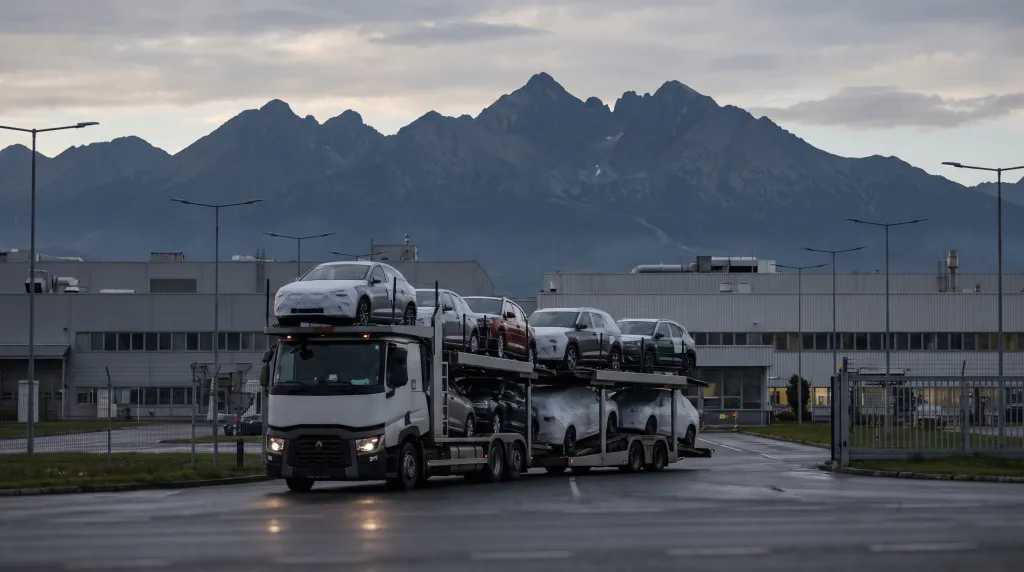
Slovakia is an EU market, so carriage of commercial goods here runs with no customs clearance. The route lives on the automotive industry: Bratislava and Kosice are hubs of parts production where factory time windows and JIT deliveries decide everything. OTSL runs FTL and groupage here under one forwarder, plans routes around driving bans and settles the Slovak e-toll. Below we explain the corridors from Poland, the choice between a full load and groupage, when clearance appears and exactly what we organise.
Slovakia as an EU market: no clearance inside the Union
Slovakia is a member of the European Union and the Schengen area, so moving Union goods between Poland and Slovakia is free circulation inside a single market. There is no customs declaration, no import duty, no border stop for customs paperwork. That shortens transit and simplifies formalities compared with non-EU routes such as the United Kingdom or Switzerland.
Clearance only comes back into play in specific cases: when goods enter or pass through Slovakia from outside the Union, or when the nature of the goods calls for separate procedures, for example excise products. In those cases our customs agency handles clearance and transit, not the driver.
Road corridors from Poland to Slovakia
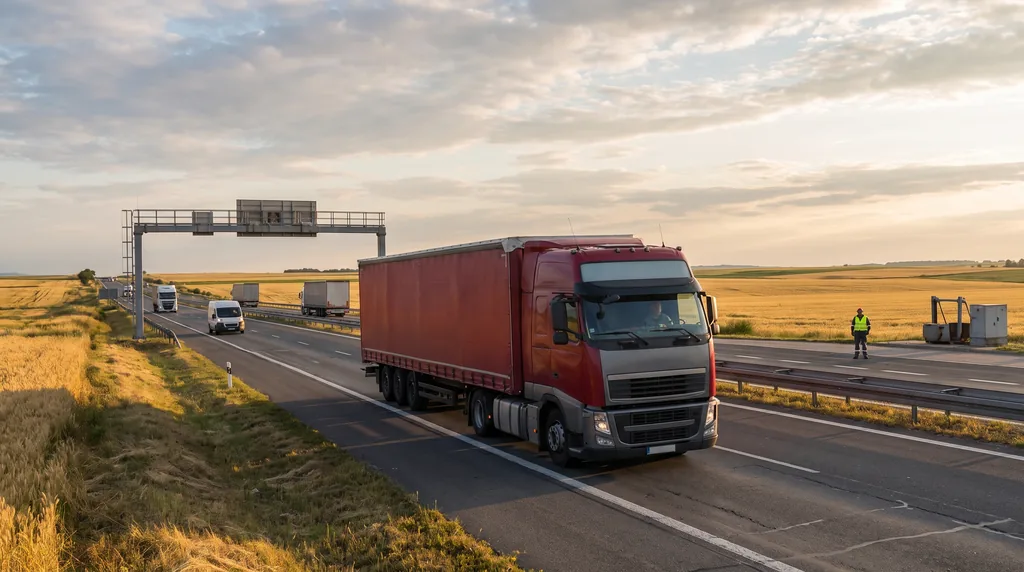
Slovakia borders Poland in the south, so for shippers in the southern part of the country it is one of the closest export markets. We route loads along the following corridors, given as a guide:
- Western corridor, towards Bratislava and Trnava. A route from the Silesian conurbation and southern Poland towards western Slovakia, where the automotive industry and the logistics around the capital are concentrated.
- Central corridor, towards Zilina and Martin. Through the crossings near the Beskids and Tatras into central Slovakia with its production plants and distribution centres.
- Eastern corridor, towards Kosice and Presov. A longer run into the eastern part of the country, home to the second large automotive hub and heavy industry.
We give transit times as a guide, because the real date depends on the loading place, the consignee time windows, driving bans along the way and the season in mountain areas. Western Slovakia from southern Poland is usually a short run, the east is correspondingly longer. The forwarder confirms the exact delivery date at quotation, based on the actual route rather than an assumed number of hours.
FTL or groupage to Slovakia
Volume, urgency and budget decide the choice. A mode matched to the load lowers the cost without losing the deadline.
- FTL, full truckload. A whole truck for one consignee, with no transloading on the way. It suits full batches, sensitive cargo and deliveries against tight factory time windows.
- Groupage, LTL. A part load from a single pallet, consolidated with others on the same route. Cheaper for smaller volumes, at the cost of a longer transit through transloading.
For deliveries feeding production lines and top-ups of parts stock we more often work on groupage or a dedicated van when every hour counts. For full export batches FTL is the natural choice. The forwarder suggests the variant at quotation, looking at weight, dimensions and the required delivery window.
e-toll, driving bans and route planning
When planning routes to and through Slovakia, three realities affect the delivery date:
- e-toll. The Slovak road charge for trucks, levied for using selected roads. We settle it inside the job, so the customer deals with neither the on-board unit nor topping up an account.
- HGV driving bans. Slovakia restricts heavy vehicle traffic on selected days and hours, among others on Sundays and public holidays. A badly timed arrival means lost time a few kilometres from the dock, so we set the delivery windows well ahead.
- Terrain. Central and northern Slovakia are mountainous. We plan routes around conditions, especially in winter.
Slovakia as a transit country
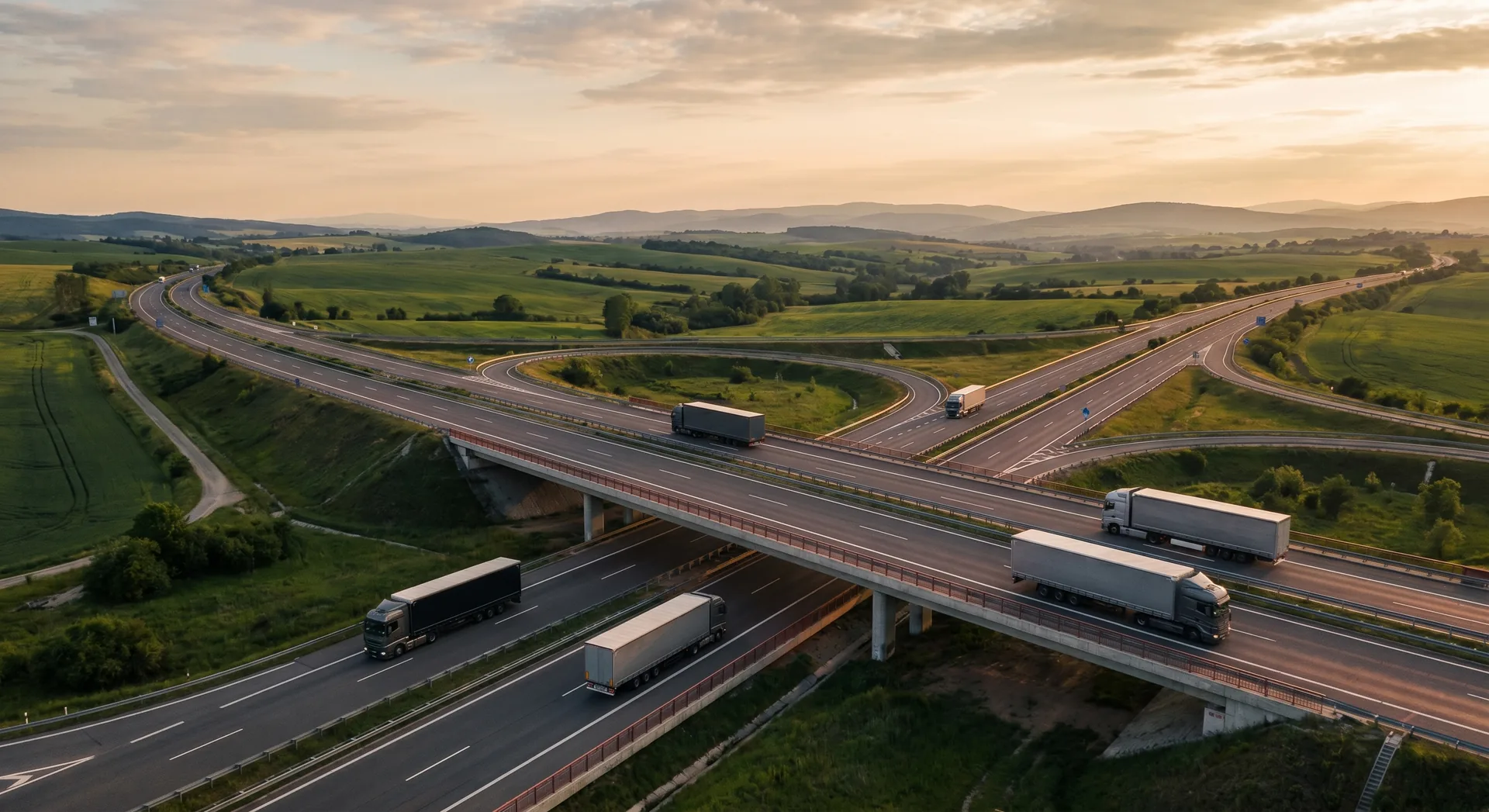
Slovakia sits at the crossing of the north-south and east-west corridors, so many loads do not end here but pass through: to Hungary, Austria, the Balkans or towards Ukraine. When we run a transit of non-Union goods, we watch the correct opening and closing of the procedure, because an unclosed transit comes back to the sender as a demand for payment long after delivery. For Union cargo, crossing Slovakia is an ordinary leg with no customs formalities.
What cargo we carry to Slovakia
- FTL, full truckloads: curtainsiders and rigs on regular export and import routes, mostly for the automotive sector.
- Groupage, LTL: part loads from a single pallet, consolidated on the Slovak lane.
- ADR: dangerous goods with full documentation and trained drivers.
- Reefer: temperature-controlled loads, with a temperature record on request.
- Oversized: machinery and structures, with permits where required.
- Express vans: urgent top-up deliveries to production lines when every hour counts.
What OTSL organises on the Slovak route
- FTL and groupage carriage under one forwarder in charge, from truck provision to unloading.
- e-toll settlement and route planning around driving bans, with no road-charge burden on the customer.
- Clearance and transit through our own customs agency when goods come from outside the Union or pass through Slovakia in transit.
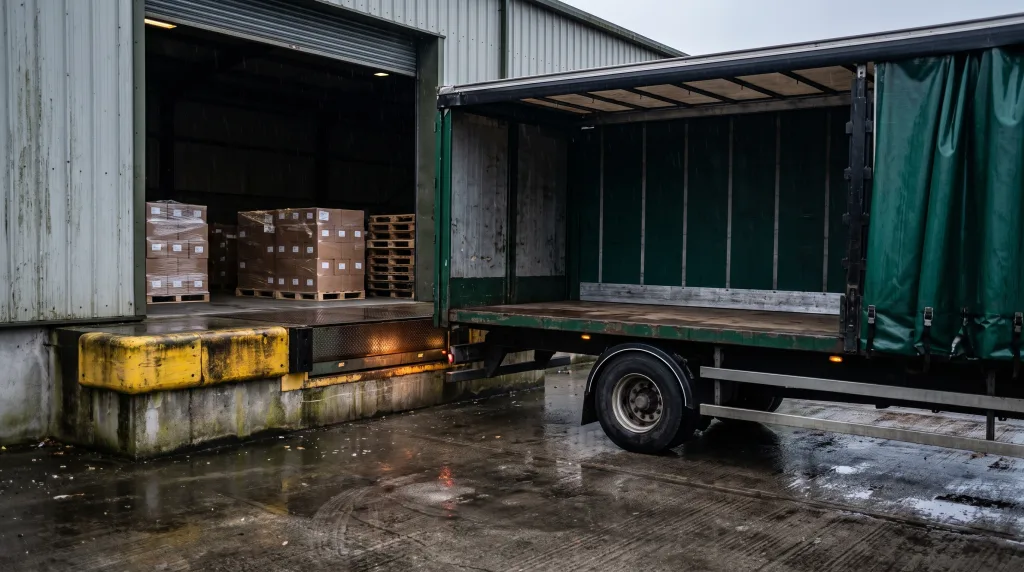
- Time windows and booking slots matched to factory schedules, so the truck is at the dock when the consignee expects it.
- Support in transit with live status updates, without you having to ask.
Import from Slovakia to Poland and the EU
The route works both ways. Carriage from Slovakia to Poland and other Union countries is also free circulation inside a single market, with no clearance for Union goods. Companies trading both ways get one process and one point of contact, the same forwarder handles export and import. From the sender we need the goods description, dimensions, weight and the loading and delivery places. We start from an enquiry, the forwarder proposes a mode, FTL or groupage, confirms the quote and a real delivery date, and before loading agrees the time windows with the consignee.
See also
- Automotive logistics, deliveries to production lines
- Road transport across Europe
- FTL or LTL, when to use a full load
- Groupage and part loads across Europe
- HGV driving bans in Europe
- Cabotage and cross-trade, rules and risks
- Transport to the Balkans through Central Europe
- Express vans when every hour counts
- Ask for a Slovakia transport quote