 AI image
JIT (just-in-time) means delivering exactly when production needs the components: within a set window, with no warehousing along the way. JIS (just-in-sequence) goes one step further: parts additionally arrive in assembly order, arranged to match the sequence of vehicles coming down the line. For transport the difference is fundamental, because in JIS the order of the load counts as much as the delivery hour.
JIT: delivery on time, not to stock
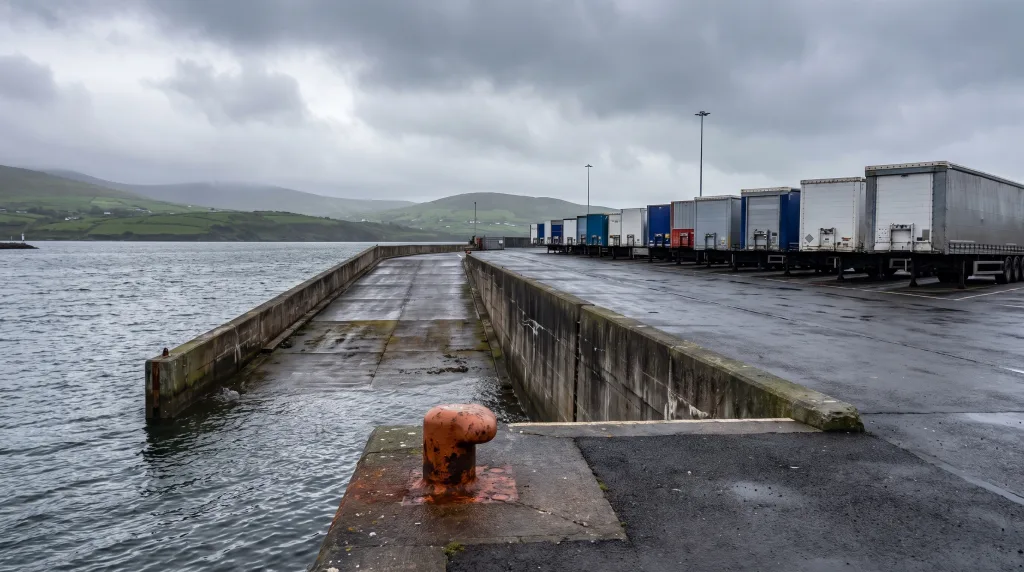
In a just-in-time model the plant keeps minimal stock at the line, and components arrive in time windows synchronised with the production plan. A window may be counted in hours. Too late risks a line stoppage; too early means no buffer space and a truck waiting in the yard, sometimes sent to a car park outside the plant.
JIS: on time and in the right order
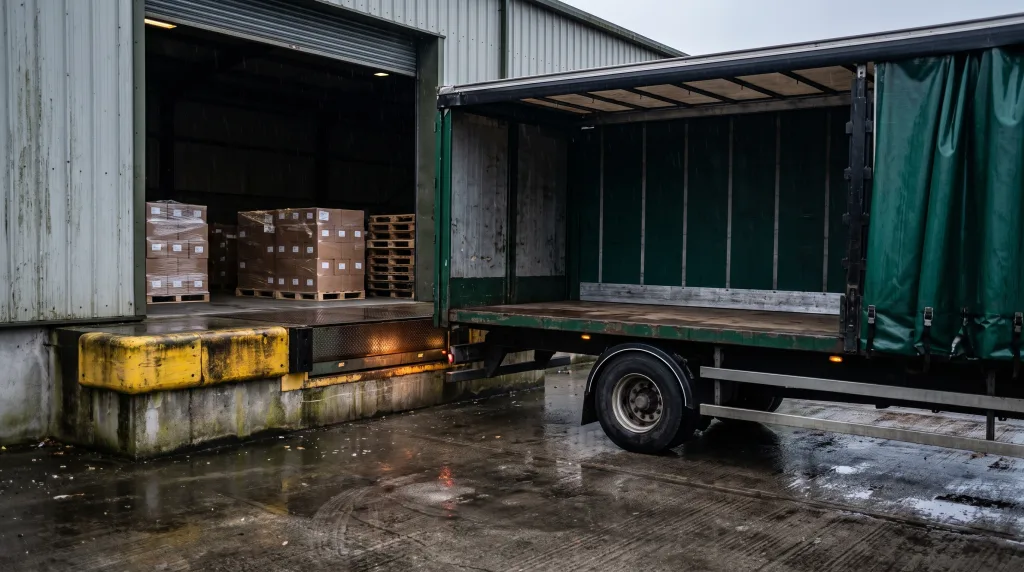
Just-in-sequence adds a second dimension. Parts such as bumpers, seats or cockpit modules arrive in the order in which they will be fitted to specific bodies. The material often travels in dedicated racks owned by the receiver, arranged to a sequence list. Getting the order wrong can cost as much as being late, because the line has no time to sort: the sequence must come off the trailer straight into production.
What does it mean for loading and the route?
- The order on the trailer mirrors the sequence: what comes off first stands at the doors.
- No repacking: a sequence built at the shipper must arrive untouched, so cross-docking on the way is out.
- Fixed windows and booking: how they work in practice is covered in our piece on booking and unloading windows at automotive plants.
- Communication: the receiver planner wants to know about a problem before it becomes visible in the window, not after.
The forwarder's role in JIT and JIS
The forwarder plans the route backwards from the window, with buffer for borders and traffic, keeps the booking accurate and tells the truth about the truck position. When a window comes under threat, an express van can leave in parallel with a rescue batch, so the line gets the minimum to keep working until the rest arrives. This is how we run the regular flows described under automotive logistics.
Where do you start?
If you are new to plant deliveries, start by understanding time windows and the consequences of missing them, which we break down in the article on slot deliveries in automotive. JIT and JIS forgive no improvisation, but they reward discipline: a supplier who keeps the windows is worth more to a plant than the cheapest bid in the tender.
How do you calculate the time buffer on the route from Poland to the UK, and when does JIS stop making sense?
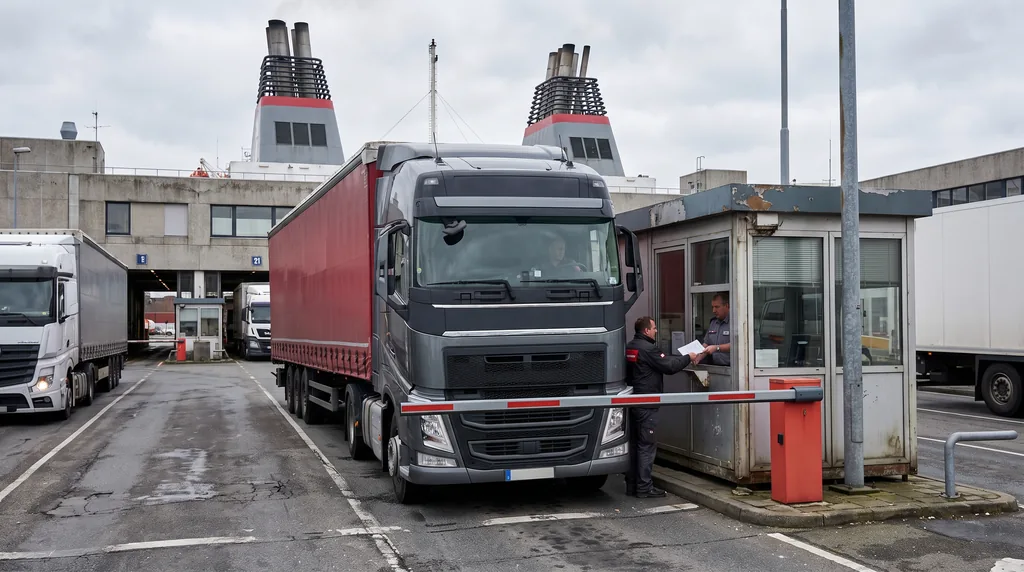
When planning a JIS transport, you must factor in a precise time buffer. The standard delivery slot at automotive plants is often as narrow as 15 minutes. This means a driver travelling from Poland to the UK needs a planned technical rest and a safety margin for customs clearance. On a route exceeding 1000 kilometres, a safe operational buffer is at least 2 hours before entering the ferry port or shuttle terminal, with an additional 60 minutes reserved for potential border checks. A trailer carrying 33 pallets must be loaded without exceeding the 11.5 tonnes axle load limit, as any forced readjustment at an inspection lane destroys the pre-arranged sequence.
The JIS model requires you to track the vehicle position via GPS every 5 minutes. If the truck faces delays, the assembly line will not wait — stopping the line results in costs charged for every started minute, the exact amount of which depends directly on the contract between the tier-1 supplier and the plant.
This sequencing rule DOES NOT apply to components with long manufacturing lead times exceeding 14 days, nor to bulk raw materials. JIS also becomes unviable when the distance between the supplier plant and the final assembly line exceeds 500 kilometres without an intermediate sequencing hub along the route. Under those conditions, transport risks are too high, and the plant maintains a traditional inventory buffer of at least 3 days of production.
Step by step
- Analysing the production schedule. The freight forwarder verifies the required time windows and delivery sequence specified by the factory.
- Selecting the fleet. A suitable vehicle is assigned to ensure secure loading and unloading according to component specifications.
- Planning routes and buffer times. The route is planned considering potential border delays and allowing contingency for unexpected disruption.
- Loading in correct sequence. For JIS operations, parts are positioned inside the trailer matching the assembly line sequence.
- Monitoring transport in real time. The forwarder tracks vehicle location at every stage to adjust delivery plans if necessary.
Definitions
- JIT (Just-In-Time): A delivery strategy where components arrive within a specific time window to eliminate on-site warehousing.
- JIS (Just-In-Sequence): A logistics method where parts arrive in the precise order required by the assembly line.
- GVMS (Goods Vehicle Movement Service): The UK border IT system that manages customs clearance for goods vehicles.
- FTL (Full Truckload): Full truckload transport where an entire vehicle carries freight from a single supplier directly to the destination.
The OTSL role
OTSL synchronises international freight with strict manufacturing schedules, leveraging its facility in Kielce and strategic warehouse in Milton Keynes. We arrange time-critical road transport and coordinate customs clearance, demonstrating how supply chain management in practice maintains material flow without production delays.