 AI image
Transport to Denmark is road carriage within the European Union, so cargo moves with no customs clearance and the border is a formality. Some deliveries run overland across the Great Belt and Oresund bridges, some take the shorter ferry crossing, depending on the cargo and the deadline. OTSL handles FTL and groupage under one forwarder in charge, from loading to delivery. Below we explain the corridors from Poland, the difference between FTL and part loads, when customs enters the picture for onward Scandinavia, how we plan around driving bans and what exactly we organise.
Road corridors from Poland to Denmark
Cargo from Poland reaches Denmark mainly through northern Germany, along the motorways toward Hamburg and on to Jutland or the Oresund strait. In practice the route takes one of two shapes, and the choice depends on the delivery point and the consignee time window:
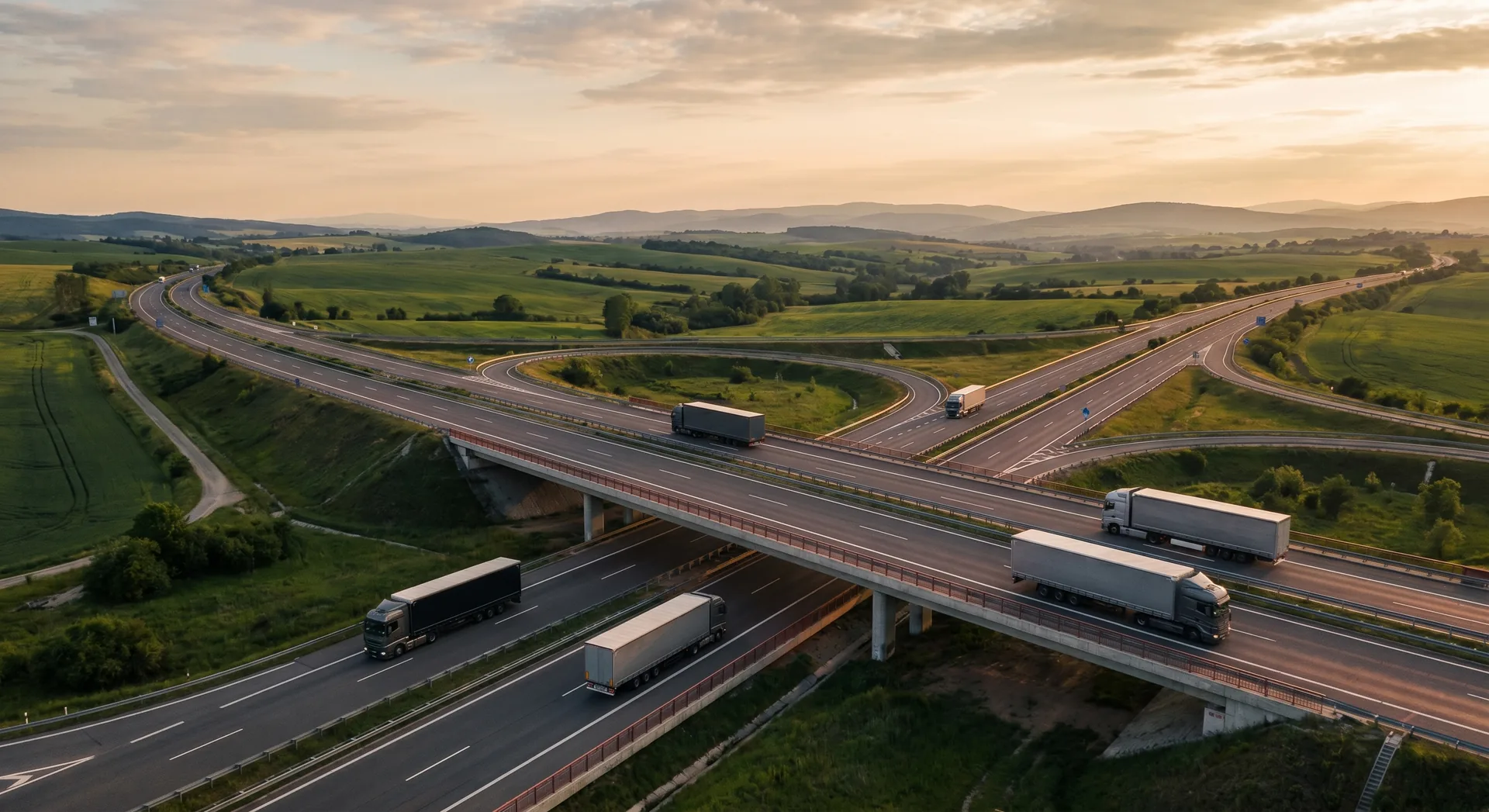
- Overland across the bridges. Over the Great Belt (Storebælt) linking Jutland with Zealand, and over the Oresund into Copenhagen and on to Sweden. This is a predictable corridor, independent of ferry timetables, with bridge tolls included in the quote.
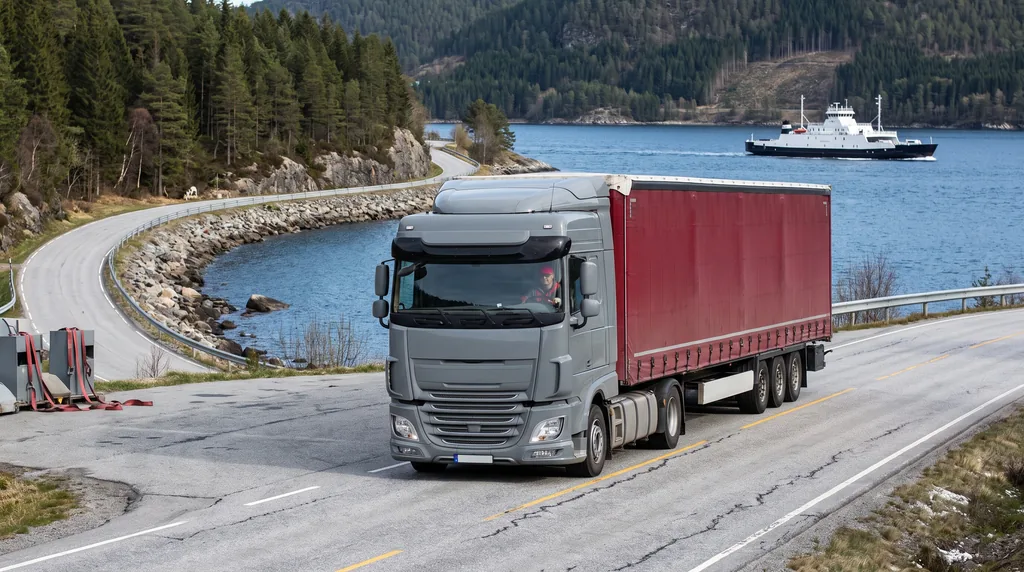
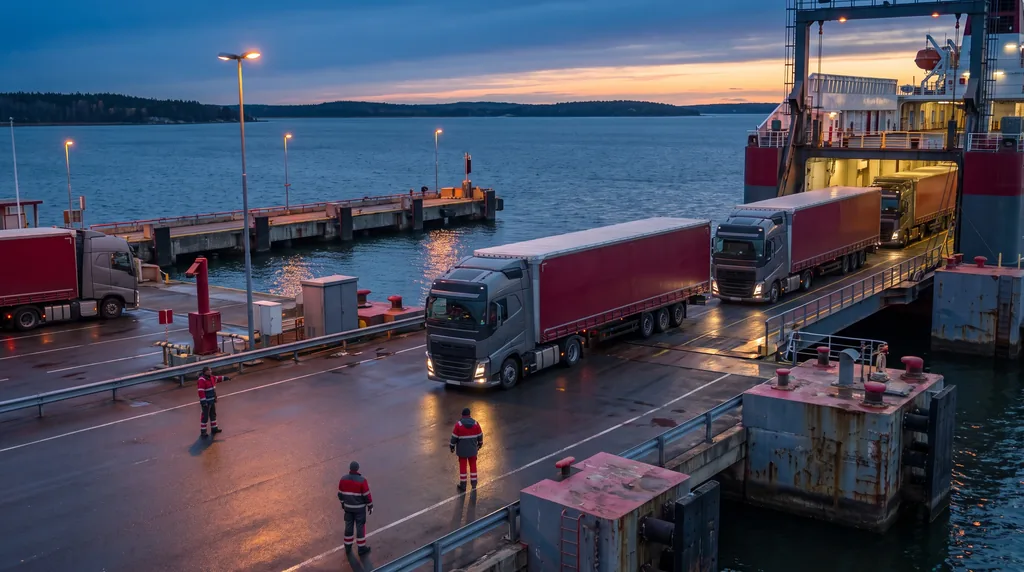
- With a ferry crossing. Shorter crossings from northern Germany to the Danish islands can cut the leg when they fit the schedule. We set the bookings ahead so the crossing does not fall out of step with the unloading window.
Transit time depends on the lane, the cargo type, the delivery windows at the consignee, and on driver hours and driving bans along the way. As a rough guide we plan inland deliveries in Denmark as a medium-distance Western European run, but the forwarder confirms the real date at quotation, on the specific route. We do not give fixed hours detached from the order, because a wrong estimate costs the consignee a missed slot at the dock.
FTL or groupage to Denmark
The choice comes down to volume, deadline and budget. The rule is simple: a full load is faster and safer for sensitive goods, groupage is cheaper for smaller batches.
- FTL, full truckload. One trailer for one consignee, with no transhipment along the way. The best choice for full batches, sensitive goods and tight deadlines, because the truck runs straight to the address.
- Groupage (LTL). Part loads from a single pallet, consolidated with other cargo on the same lane. Cheaper for smaller volumes, at the cost of timing flexibility, because the truck serves several points.
On regular lanes we agree terms for the whole flow of shipments rather than a single truck, which simplifies both billing and planning on the client side.
Customs clearance: when it even applies
Denmark belongs to the European Union, so carriage from Poland runs on the single market, with no customs clearance and no duty. That shortens the whole delivery cycle compared with non-EU directions. Customs comes up in two situations worth knowing about in advance:
- Onward to non-EU Scandinavia. If cargo runs through Denmark on to Norway, which sits outside the Union, full import clearance and VOEC or VAT settlement appear on the Norwegian side. We then run the carriage together with clearance in one order.
- Special territories. Greenland and the Faroe Islands, though politically tied to Denmark, sit outside the EU customs area. Deliveries in that direction follow a different procedure than ordinary carriage to mainland Denmark.
For a classic delivery to Copenhagen, Aarhus or Esbjerg none of this applies: it is a plain intra-EU carriage with a CMR consignment note.
Driving bans and planning delivery windows
In Denmark, as across Western Europe, trucks face traffic restrictions that have to be built into the schedule, so the truck does not sit at the dock outside receiving hours. On top of that come the German Sunday and holiday driving bans on the transit route. We plan them together: a ban on the German leg can push a Danish delivery by a day, even though the truck stands a few hundred kilometres short of the target. That is why we set the delivery window with a buffer, not on the edge.
What we carry to Denmark
- FTL, full truckloads: curtainsiders and sets on regular export and import lanes.
- Groupage (LTL): part loads from a single pallet, consolidated on the same lane.
- Reefer: agri-food goods at controlled temperature, with a temperature log on request. An important segment on this route, as Denmark is a strong agri-food market.
- ADR: dangerous goods with full documentation and trained drivers.
- Oversized: machinery and structures, with permits where required.
What OTSL organises on the Danish route
- One forwarder in charge. The same person handles loading, the choice of route over the bridges or by ferry, the crossing and unloading, and answers questions without passing you on.
- Route matched to the deadline. We lay out an overland run across the bridges or a ferry crossing, depending on what actually shortens the delivery to the specific consignee.
- Bookings and tolls in the order. Ferry booking where needed and bridge tolls are settled within the order, so the client does not track them separately.
- Support for onward Scandinavia. If cargo runs through Denmark to Sweden, Norway or Finland, we run the whole corridor, and for non-EU Norway the clearance too.
Main areas and cities
Traffic concentrates around the main centres: Copenhagen on Zealand, Aarhus, Odense, Aalborg and Esbjerg on Jutland and Funen. The route works both ways: we run export from Poland to Denmark and import from Denmark to Poland and other EU countries, in one process and with one point of contact.
How to order transport to Denmark
For a quote we need the cargo description, dimensions, weight, loading and delivery points, and whether reefer or ADR is required. The forwarder proposes the mode, points to the overland or ferry route, and confirms a real delivery date. The main contact channel is the enquiry form.
See also
- Transport to Scandinavia: Sweden, Denmark, Finland
- Ferries to Scandinavia, routes from Polish ports
- FTL or groupage, when to use full loads
- Groupage and part loads across Europe
- HGV driving bans in Europe
- Temperature-controlled transport and disputes
- ADR transport, dangerous goods
- What an FTL rate is made of
- Express vans when every hour counts
- All destinations across Europe
- Ask about transport to Denmark