 AI image
Transport to Greece is one of the longest road lanes in Europe: the load runs overland through the Balkans or with a ferry leg from Italy, yet stays within the EU single market, so there is no customs clearance. OTSL runs FTL and LTL groupage with one forwarder in charge, matches the equipment to the cargo and plans the route with a realistic buffer for driving bans and border queues. Below we explain the routing, when to choose a full load over groupage, how the food-and-tourism season works and exactly what we organise on our side.
How transport to Greece is routed from Poland
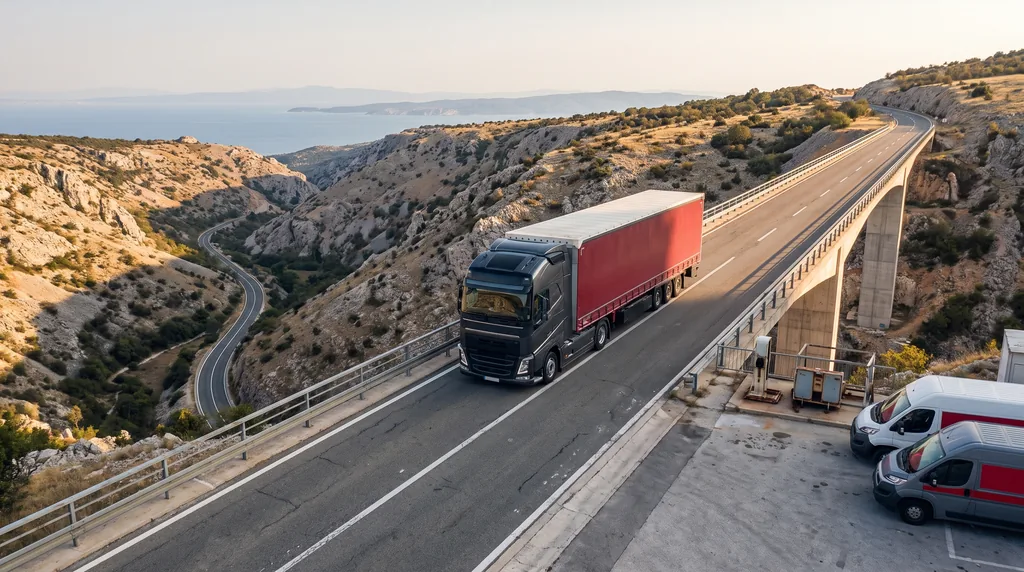
Greece sits at the southern edge of the continent, so the run from Poland is longer than the European average and is planned ahead rather than day to day. In practice there are two main options:
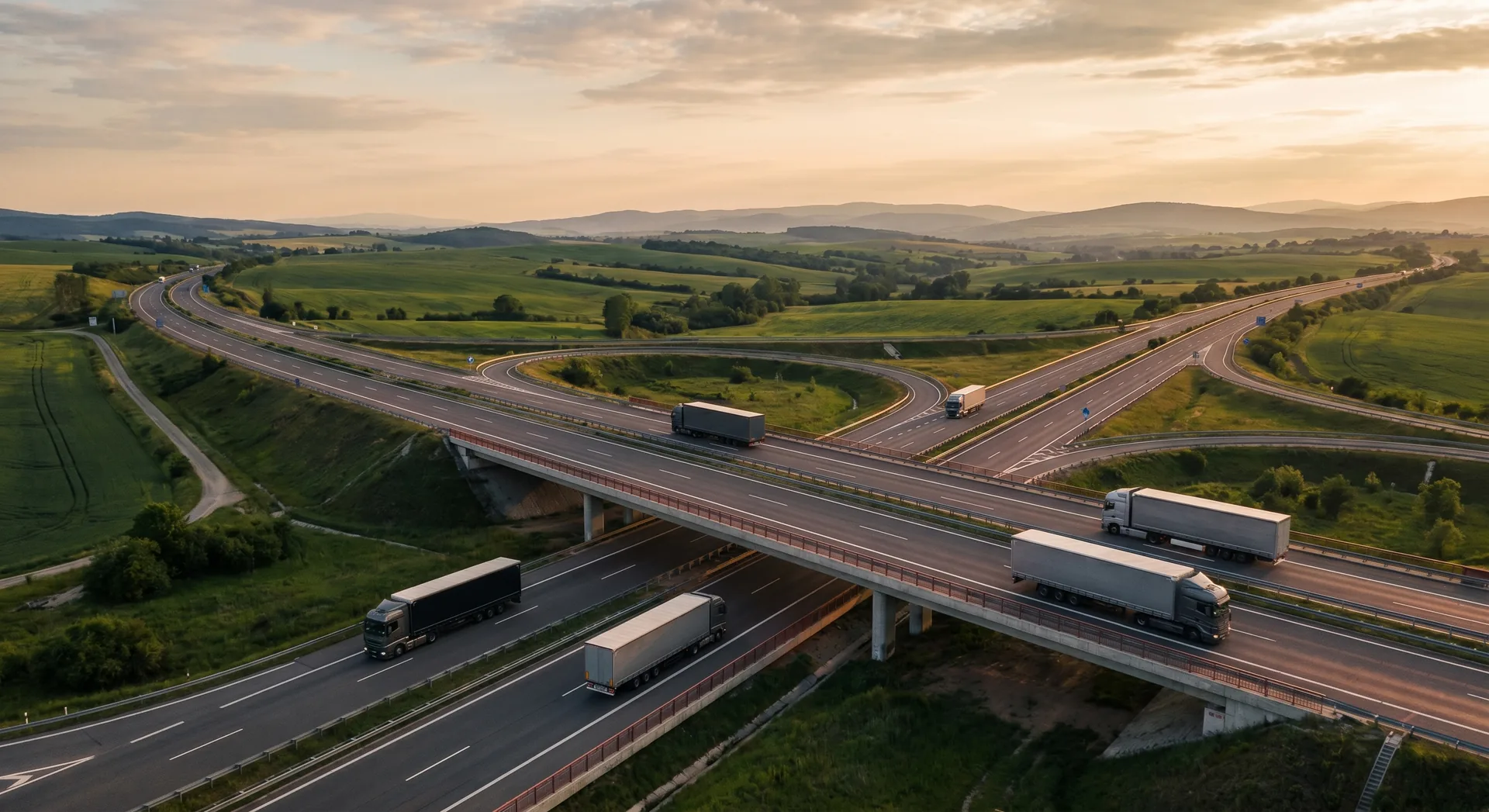
- Overland via the Balkans. The load runs through Central Europe and the Balkan states up to the Greek border. This is the most common corridor for cargo that does not need the driver-hours saving a ferry offers.
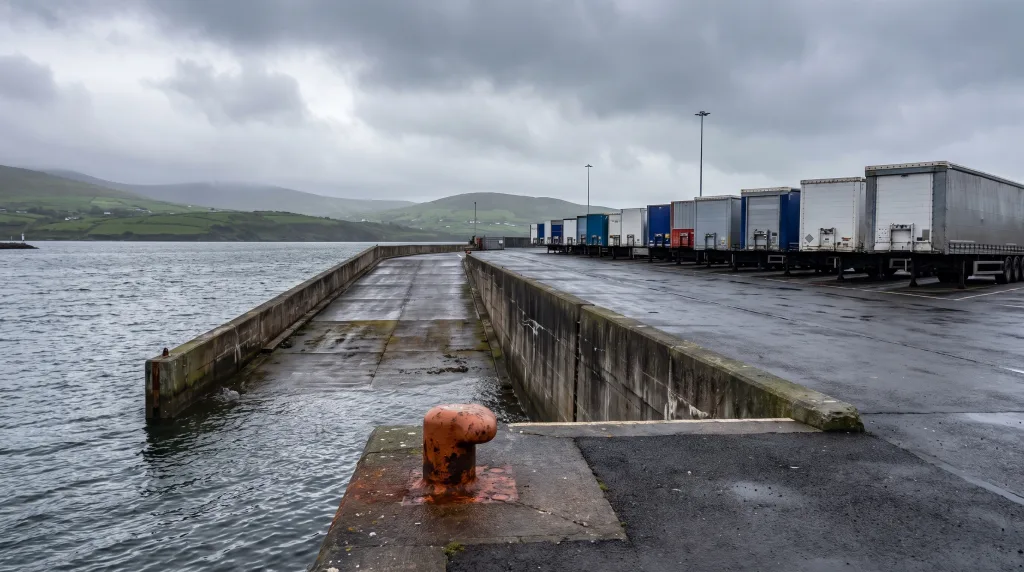
- With a ferry leg from Italy. The tractor drives to an Italian port and then crosses by ferry to Patras or Igoumenitsa. This option can be more predictable on time because it skips part of the land borders.
Which option is better depends on the deadline, the type of cargo and what is happening at the crossings at the time. We do not quote fixed transit hours, because border checks, weather and the season genuinely change them; the indicative time and a real delivery date are confirmed by the forwarder at quotation, once the routing is set.
Does Greece mean customs clearance
No. Greece is an EU member state, so carriage from Poland runs within the single market, with no customs clearance and no duty. The difference from non-EU lanes such as the UK or Switzerland is fundamental: there are no export or import declarations, no import VAT at the border, and the transport document remains the CMR consignment note. One caveat is worth keeping in mind: a load driven overland through non-EU Balkan states (for example Serbia or North Macedonia) transits non-Union territory, so we run it under a transit procedure that must be closed correctly. Delivery inside Greece itself stays intra-EU.
FTL or LTL groupage to Greece
The choice between a full truck and groupage feeds straight into cost and lead time, so it is set at the start, not along the way.
| Criterion | FTL, full truck | LTL, groupage |
|---|---|---|
| Volume | Full load or close to it | From one pallet to part of a trailer |
| Lead time | Direct, no transhipment | Longer, tied to consolidation |
| Unit cost | Lower when the trailer is full | Lower for small volumes |
| Handling risk | Minimal, load stays intact | Higher, several handling points |
For full and regular flows FTL usually wins: the truck runs without transhipment, which cuts time and limits the risk of damage. For smaller volumes groupage pays off, consolidated on the same lane. On a corridor as long as Greece the time gap between the two can be significant, so we match the option to the specific cargo and deadline.
Food and tourism season
Greece has a clear seasonal rhythm. In summer food and tourism traffic rises, and space on this lane has to be booked in advance; whoever waits pays more or waits for the next window. Temperature-sensitive cargo such as food travels in a reefer with temperature control, and on a longer corridor guarding the cold chain matters even more, because a break means unsellable goods and inspections at the receiver. Outside the peak the lane is calmer, but planning still starts from the receiver's unloading window.
What cargo we carry to Greece
- FTL, full truckloads: curtainsiders and full sets on regular export and import flows.
- LTL, groupage: part loads from a single pallet, consolidated on the same corridor.
- ADR: dangerous goods with full documentation and trained drivers.
- Reefer: food and temperature-controlled cargo, with a temperature log on request.
- Oversized: machinery and structures, with permits where required.
Driving bans and planning the delivery window
On the way to Greece a truck crosses several countries, and each has its own driving bans on Sundays, public holidays and some summer Saturdays. Ignoring them pushes delivery back by up to a day, even though the truck sits a few kilometres from the ramp. That is why we agree the receiver's unloading window up front and build the route with a buffer for mandatory stops and queues at the crossings. The most frequent destinations are Athens, Thessaloniki, the port of Patras and Larissa inland, while on the islands we serve Heraklion on Crete among others, where the ferry rhythm adds another layer.
What OTSL organises on the Greek lane
- One forwarder in charge. The same person handles pickup, route, borders and delivery, without passing the client on.
- Routing and equipment choice. The overland or ferry option and the trailer are matched to the cargo and the deadline.
- Buffer for driving bans. Delivery windows are planned around the rules in transit countries.
- Support during carriage. The client gets status updates without having to ask.
- Import from Greece to Poland and the EU. The lane runs both ways, on the same single-market terms.
See also
- Transport to the Balkans: Croatia, Slovenia, Bulgaria and Greece
- FTL or LTL, when to use a full load
- HGV driving bans in Europe
- Groupage and part loads across Europe
- Temperature-controlled transport and the cold chain
- What an FTL rate is made of
- How a ferry leg works in road transport
- Service: groupage and part loads
- Service: ADR transport
- Service: temperature-controlled transport
- Service: express vans