 AI image
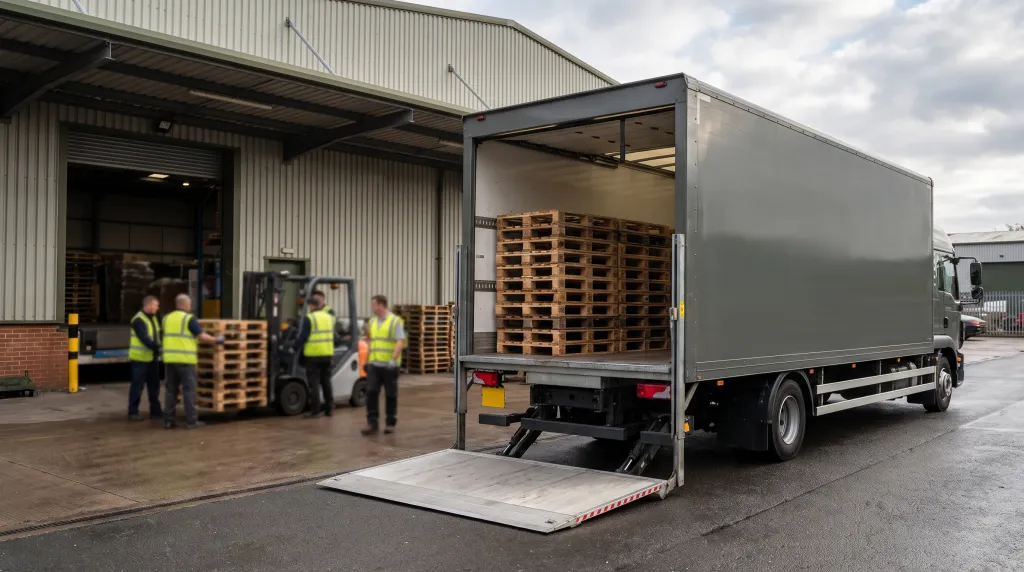
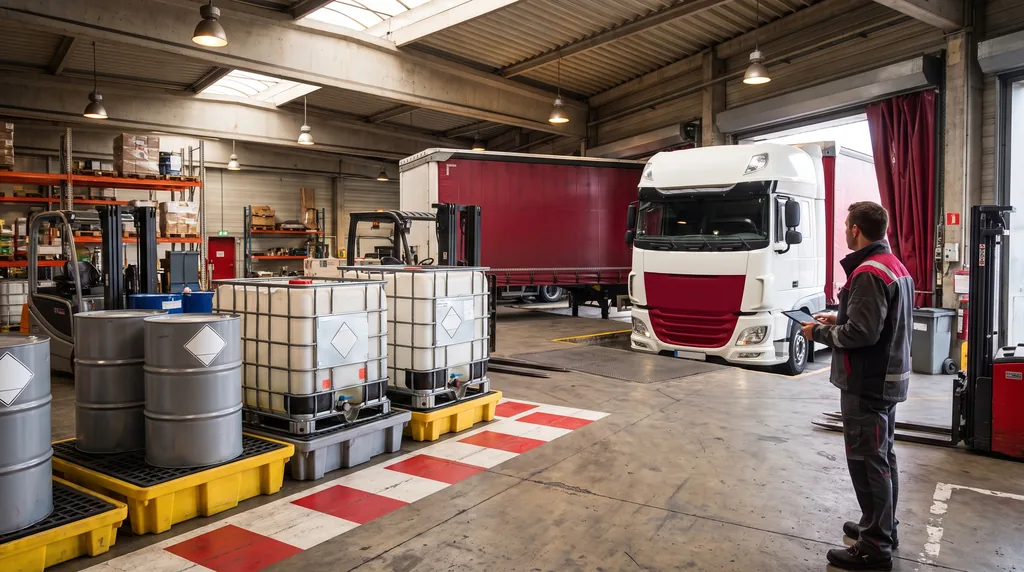
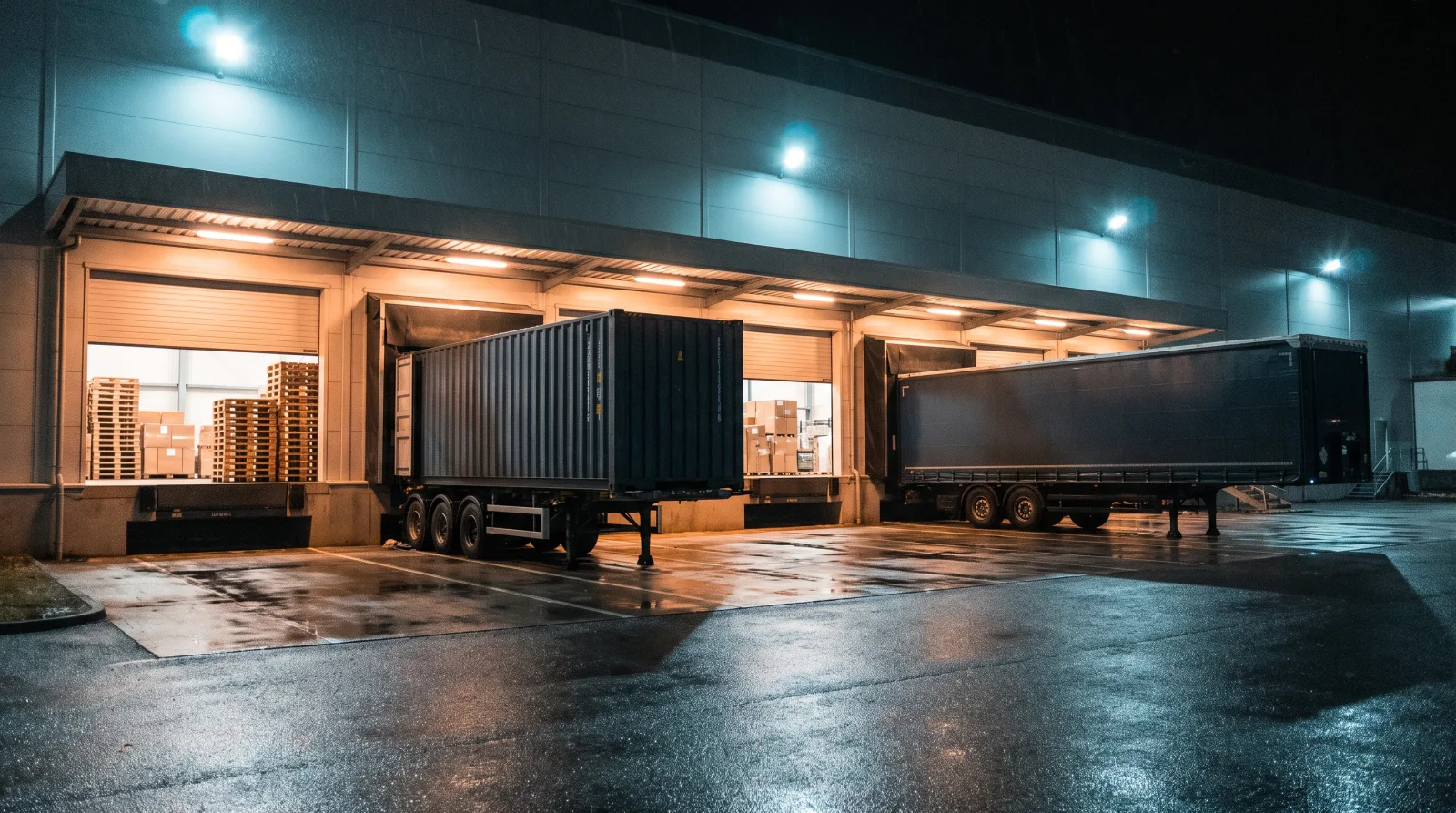
The OTSL warehouse in Milton Keynes works 24/7 as back-up for forwarders, 3PL operators, hauliers and container lines that need hands and a loading dock in England without a branch of their own. We take in the partner trailer, straighten and restack pallets, repack, inspect and report, hold goods in quarantine until the owner decides, and deliver to the RDC or to the customer. The partner stays the single contact for their customer; we work on the partner instruction and under the partner name. Sea containers from the ports are handled by arrangement.
Who it is for
The service is for companies that have a customer and a load in the United Kingdom but no warehouse there:
- manufacturers and exporters from Poland and the EU whose delivery to a retailer or to Amazon needs work on this side: repacking, labelling, pallets that meet the consignee standard;
- forwarders and 3PL operators who need a transshipment point in England, a buffer, or a place where a load can be put right on the way;
- hauliers whose trailer has been turned away at an RDC gate and is standing with goods that need saving;
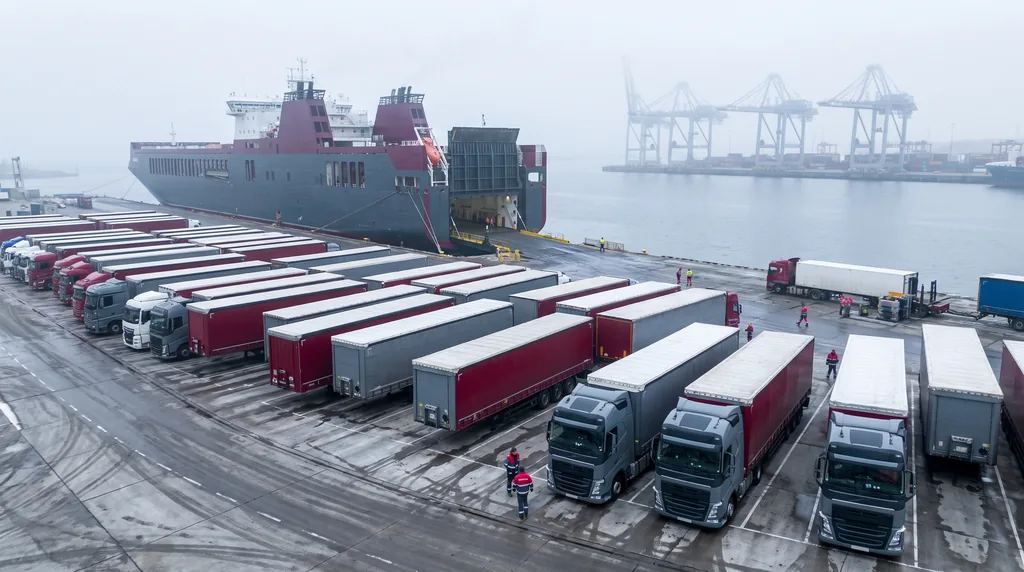
- container lines and NVOCCs for whom, by arrangement, we devan containers from Felixstowe, Southampton, London Gateway or Tilbury.
The partner signs the contract with us and shows their own logo to their customer on the paperwork. The inspection report, photographs and proof of release go to the partner, not to the partner customer, unless the partner asks otherwise.
Scope
- Short-term pallet storage and cross-dock in Milton Keynes: the trailer comes in, the goods change vehicle, they leave the same day.
- Repacking and pallet restacking to RDC or Amazon standard: height, stability, wrap, corner boards; see the beer pallet restacking scenario.
- Cargo inspection after a trailer breach: after clandestine entrants, sanitary inspection for food, after contamination, with a photographic and UV report for the owner and the insurer.
- Hold and release: goods wait in a separate zone until the owner or the insurer decides what happens next.
- Refused delivery recovery with five paths: redelivery after pallet repair, delivery to another consignee, return to sender, storage pending a decision, disposal.
- SSCC and GS1 labels for retail and FBA labels for Amazon.
- Food-grade zone and temperature-controlled space for food and sensitive goods.
- Certified disposal of goods that are not fit for sale, with a document for the insurer and the accounts.
- Sea containers: FCL and LCL devanning from Felixstowe, Southampton, London Gateway and Tilbury by arrangement, once the date and the equipment for the specific container are confirmed.
How we start, step by step
- Load data. The partner gives us the number of pallets or SKUs, weight, dimensions, temperature, the consignee labelling requirements and what is to happen to the load: repack, inspection, storage, delivery.
- Booking-in. We agree the day and hour the trailer or container arrives; the warehouse receives 24/7, but the right crew and equipment have to be at the dock.
- One contact. The partner gets one operator on our side who runs the job from the dock to release and answers the questions the partner customer passes on through the partner.
- Work and report. After unloading we count, photograph, carry out the agreed scope and send the report: pallet condition, piece count, photographs, a recommendation on what to do with the goods.
- Release. The goods leave on our vehicle to the RDC, to Amazon or to the partner customer, or on the partner vehicle from our dock. Proof of release goes to the partner.
Limits
The decision on what happens to the goods after inspection belongs to the owner or their insurer; we provide a report and a recommendation, not a verdict. We do not set demurrage or detention for a container, that is between the line and its customer; we can only shorten the time the box stands, as explained in the article on demurrage and detention costs. We do not negotiate with the RDC on behalf of the partner, although we know the UK retail RDC requirements and will say what to do so the pallet passes the gate the second time.
Service levels, response times and rates are agreed individually with each partner, depending on the volume and type of goods that will pass through the warehouse. We do not publish rates, because repacking one pallet of drinks and inspecting a trailer of food after a breach are two different jobs.
The OTSL role: a warehouse that is not an island
The Milton Keynes warehouse works together with our UK customs agency and with our transport: groupage from one pallet and FTL between Poland and England, Amazon deliveries with booking-in, and by arrangement container transport from the port. For the partner that means one order instead of three subcontractors: customs, warehouse and final delivery run on one track with one report. More on the site itself on the Milton Keynes warehouse page and in the article on the warehouse value-added services.